
Daily Comments 2026 (Also, #yesican Coaching)
Check out – https://newclevelandradio.net/dont-call-me-a-widow/
23 August 2026 Recuperating Sunday
 It’s been almost a week of recuperating on my own. My lifelines have been phone calls and text messages, and they’ve helped more than people realize. But this afternoon, as I sat by my dining room window — my happy place overlooking the greenery and the National Park system beside my home — I felt a small twinge. I glanced over at Rich’s ashes and was reminded, in a quiet and undeniable way, that I am alone.
Being alone and being lonely are not the same, and I understand that. I am not lonely; I have people to connect with, people who care. What I’m adjusting to is the experience of being alone — making decisions for myself, choosing how to heal, and stepping into tomorrow without the physical presence of the man who walked beside me for so long. As I recover from my injuries, I know I must move slowly and readjust. For someone who has always been a “do it now” person, this is challenging, but it’s also doable.
As I move into month eight, I hope I continue to adapt to being alone in a way that is both physically and emotionally healthy. I look forward to sharing this journey with you and offering guidance to others who may be navigating their own version of loss or transition. We need one another. None of us should feel alone when what we truly need is support, companionship, and connection. When we feel supported, loneliness begins to soften and fade.
Please join me on my journey.
#YesICan Coaching with Karen
Email: Kh.yesican1@gmail.com
20 August 2026
 Good morning world it is Thursday and it’s one week since I’ve been home. Each day is a little different from the next. I won’t say I’m totally pain-free but I do go through periods of the day feeling very relaxed and almost pain-free. I’ve been able to move around in my home make minimal meals for myself even straighten up a little bit and do a little bit of laundry. The one thing that is the hardest for me is sitting in my office chair trying to work and so I am still on hiatus until further notice.
Email: Kh.yesican1@gmail.com
 2 August 2026 Hearing Aids Again
It was a quiet weekend until a familiar migraine hit starting in my neck, moving behind my eyes, and radiating down my spine. The culprit? Stress from my hearing aids.
They broke down for the third time two weeks ago, forcing me to use an inadequate backup pair for ten days. I was thrilled to pick up my repaired set on Thursday, but on the drive home, the left one started squealing. Taking it out and resetting it fixes it temporarily—until I yawn or move, and the noise returns. I’ll be calling the hearing center first thing tomorrow.
Lately, friends and family have questioned why I spent thousands on medical-grade hearing aids instead of buying cheap over-the-counter devices. I wish a $99 pair worked for me, but due to surgical repairs in both ears, standard OTC aids don’t have the intensity I need. Without my hearing aids, I am deaf. Our medical system is broken, and the cost and lifespan of essential devices like these are unreasonable.
This whole experience reminds me of a post I read today about aging parents refusing help at home to preserve their independence. I understand the desire to remain self-reliant, but accepting assistance isn’t losing independence—it’s protecting your well-being.
Whether it’s hiring help, leaning on friends and family, or bartering skills (the way my mother used to trade her seamstress work for home repairs), allowing others to support us is a gift. If you’re a mature adult needing extra help around the house or in life, don’t hesitate to accept it.
Please join me on my journey.
#YesICan Coaching with Karen
Email: Kh.yesican1@gmail.com
23 July 2026
 Parenting is never truly finished. Yes, it’s a job of sorts — one with no clocking out, no retirement, and no tidy handbook that guarantees we’ll get everything right. We step into it with hope, excitement, and ideas about how we’ll do it better than the generations before us. We read Dr. Spock or whatever version of him was popular at the time, believing there must be a “right way” to parent. But there isn’t one single right way. There never has been.
I’m the mother of two sons, and they were raised in very different circumstances. My oldest walked with me through divorce, custody battles, and the emotional upheaval that reshaped both of our lives. My youngest came later — a child of my second marriage, conceived after infertility and wanted with every fiber of my being. The years between them changed me. Becoming a single mother for a time changed me. Life changed me. And so, naturally, my parenting changed too.
Children, even those close in age, arrive with their own personalities, needs, and temperaments. Parenting them will never be equal or identical. And the fathers of my boys were as different as night and day, which shaped their childhoods in ways I couldn’t have predicted.
Today, they are grown men — still searching, still building their identities, still navigating a world that feels uncertain. When I held my firstborn 51 years ago, I never imagined the twists ahead: divorce, dating, remarriage, custody issues, infertility, Autism, and more. On that day — July 25th — I thought life was perfect and would only get better. I am blessed with two wonderful sons, but I often wish I could have been a more perfect mother.
But I did the best I could. Just as my boys had to learn to survive in this world, I had to learn too. I’ve had to accept that I made mistakes — and I’m still learning from them. One of my biggest mistakes was carrying the anger of my divorce for so many years. It was like a cancer, spreading quietly through my life, affecting the people I loved most. When I finally chose to let go of that anger and forgive myself, everything shifted. My relationships with my sons grew stronger.
Each son has needed something different from me, and it took time to understand that. As our relationships evolve, I’m more mindful of who I am and who I want to be.
I will always be Mom. My arms will always be open — to hold them, hug them, steady them if they stumble. And I know they are there for me too; they’ve shown me that in countless ways since Richard died.
I will nudge them, nag them, and occasionally sound just like my mother — a little demanding, a little needy — but always with love at the center. Always.
Please join me in on my journey.
#YesICan Coaching with Karen
Email: Kh.yesican1@gmail.com
18 July 2026
 For many years, entertaining was second nature to me. I even ran a small home‑entertainment business for a while, organizing gatherings for clients and hosting my own. But life shifted — family needs, work obligations, and the rhythm of everyday responsibilities pulled me away from hosting. Until recently.
Today was special.
A group of new friends — fellow Mahjong players — gathered in my home to share a nosh and play a few rounds of the Maj. I didn’t win, but I thoroughly enjoyed the company, the laughter, and my attempts. I’m hopeful this lovely group of women will keep the game going each month.
If you had told me six months ago that I’d be sitting around a table with these women, I would have dismissed the idea. Before Rich’s passing, my time was devoted to him, and I cherished every moment we had together. The idea of carving out “girl time,” even just to chat, wasn’t something I considered. Now, I’m grateful for it — and especially grateful to Joan, who reached out to me early on and opened the door to new friendships.
If you’re feeling alone or lonely, know that connection takes a little effort, but it is absolutely possible. There are groups online and within our communities that welcome newcomers with open arms. If you need guidance, reach out to me — I’m happy to help.
Through AARP — and you don’t have to be a member — there are local Ethel Groups. These circles of women meet for lunches, outings, tourist trips, game days, and all kinds of activities. Married, single, widowed, or somewhere in between, everyone is welcome. And if you happen to be a widow, there are virtual groups as well, many of which lead to in‑person friendships within your own city.
My new friends cannot replace what I have lost, but they fill an important space in my life — just as I hope I do in theirs. Each day should bring the love of good friends, and I am determined to live as fully as I can.
I look forward to walking my path with you.
To walk someone else’s path means stepping into the emotional, psychological, or situational terrain they are navigating — not as an imitator or a savior, but as a witness to their lived experience. It means entering their world long enough to understand the landscape they’re moving through: the fears, the hopes, the losses, the choices, the contours of a journey you may never have seen before. It isn’t about fixing their life or agreeing with their choices. It’s about honoring their truth.
Join me as we walk this path together.
#YesICan Coaching with Karen
Email: Kh.yesican1@gmail.com
11 June 2026 –
 Today I have something special to share — at least, it’s special to me.
About a year ago, I reached out to Matt Greminger of Cleveland13News.com and proposed becoming a contributor to this incredible community‑driven media platform. Cleveland 13 News (WCTU) is an independent digital news network based in Northeast Ohio. It isn’t a traditional TV station; instead, it publishes directly to social media, its website, and streaming platforms.
Founded by local media producer Matt Greminger, Cleveland 13 News is built on transparency, community storytelling, and independent reporting — values that align perfectly with the mission of newclevelandradio.net. I knew I could bring something fresh to their format, and I’m proud of what has grown from that first conversation.
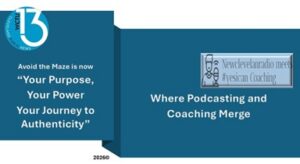
Over the past year, I redeveloped my podcast Avoid the Maze into Your Purpose, Your Power, Your Journey to Authenticity — a space where guests share their stories so others can learn, reflect, and challenge themselves to create their best lives. You can watch all episodes here: https://www.youtube.com/playlist?listYourPurposeYourPower If you have a story to share, I would love to hear from you at newclevelandradio@gmail.com.
We also brought over What in the World with Paul Seaburn — a real news show that’s sometimes weird, always funny, and now in its ninth year. We’re honored to be nominated by Scene Magazine for Best News Podcast. You can vote for us through June 15th at: https://vote.com/people…/best-local-tv-newscast
But we’re not stopping there.
As the “so‑called media mogul” at newclevelandradio.net, I’m teaming up with Cleveland13News affiliates to launch a monthly community meet‑up. This will be a space for people to connect, collaborate, and share the stories that nourish the body and soul — not the national headlines, but the everyday human stories that remind us who we are and what we can build together.
Sometimes all it takes is a little acknowledgment — a hello, a wave, holding a door, offering a hand. Kindness is a resource we all have, and it grows when we use it.
I’m excited to kick off the second half of 2026 by meeting new people, creating new friendships, and developing ideas that make each day better than the one before.
Please join me on this journey.
#yesican Coaching with Karen kh.yesican1@gmail.com
Contributor at Cleveland13News newclevelandradio@gmail.com
5/31/26 Join us in the Hunt
5/31/26 – Just Have to Say – Find the Happy
I don’t say this from a place of anger — only from my own experience as a widow who also lost her husband suddenly. I’ve heard many people say that death is unfair, and while I understand the pain behind those words, I see it a little differently. Unless a tragedy takes two people at once, one partner will always outlive the other. One of us will continue breathing the air our soulmate no longer can. And as the survivor, we carry the responsibility — and the privilege — of living each day as fully as we can.
If we have children, would we truly want them to lose both parents at the same time? Most of us would say no. Yet some of us stay anchored in the past, grieving a moment in time that cannot return. It’s natural to grieve our partner — deeply, fiercely — but if we loved them, that love didn’t end. They are still with us in the ways that matter. I speak of my husband often, both out loud and in my thoughts. Doing so comforts me. It reminds me of what would make him happy, and even on my hardest days, I hold onto the energy he left behind.
Our children and friends need to know that they are still on this journey with us. Even as the landscape of our lives shifts, we remain connected as survivors.
The funeral, the celebration of life, the headstone, the scattering of ashes — these rituals help us honor the one we lost. But they also remind us that life continues, and that our memories can grow and evolve with us.
I am sad that my husband is no longer here. I wish we had more years. But I am profoundly grateful for the life we shared. I don’t call it unfair, because long ago I learned that life doesn’t always look fair — but we still have the power to make choices that lead us toward happiness.
This weekend, like many others, I am alone. When the quiet becomes too heavy, I reach out. I make phone calls. I chat with the cashier at the grocery store. I walk the mall and strike up conversations when it feels right. When I’m being proactive, I schedule lunch or coffee with friends. And when the thought creeps in that life is unfair, I remind myself how lucky I was to marry Rich 42 years ago — to build a family, make friends, and walk through life side by side.
I can feel sad, but it’s healthier for me to keep searching for the moments of joy.
Follow me and let’s walk together #yesican Coaching with Karen
Kh.yesican1@gmail.com
 31 May 2026 The Chores _
Waking up early always lights a spark in me. It’s more than taking my morning medication, making coffee, or brushing my teeth — it’s that moment when a task floats into my mind and, if I’m paying attention, I move. This morning I was listening.
By 6 a.m. I was moving furniture in my dining area, deep‑vacuuming the floor, and rearranging the space yet again. It’s not the first time I’ve done this, but I think I finally got it right. I keep my rocker/glider in that cozy corner because I love sitting there — watching TV, looking out the big window, noticing the birds and whatever else wanders by. The changes I made, though exhausting, are making me smile.
But of course, I didn’t stop there. I came upstairs and cleaned my bathroom, vacuumed and washed the floors, and started a load of laundry — rugs included. The cleaning bug was alive and well, but eventually my body yelled, Enough. Stop while you still have the choice.
Two hours from waking to completion, and I never paused. I can feel the stress settling into my muscles, and I’m choosing to listen.
This morning I used the energy I had stored from sleep to move forward. Stopping doesn’t mean I’m slipping backward — it simply means it’s time for a pause. I’m working on a new tool: allowing myself to be both the “do it now Karen” and the “do it later Karen.” I’m also learning the skill of not doing everything.
Over the last couple of weeks, as I’ve been struggling, I realized something important: the memories I thought I’d lost around daily tasks aren’t gone. It wasn’t that I disliked cooking for Rich and me — it was the last‑minute scramble that drained me. Rich could be a picky eater, and even when I tried to plan meals with him, he often didn’t know what he wanted or chose something that wasn’t easy to prepare on short notice. That made me dread mealtime.
Now, even cooking for myself feels like a chore, and I know I’m not doing great nutritionally. I’m mindful, yes — but I haven’t yet built the tools to fix this. I must.
I’m making changes based on my own choices, and I’m giving myself grace. I’m not perfect. Life will always have potholes, and I will trip. But I will also find my balance and get back up. Community matters — no one should have to walk this road alone, including me. I’m reaching out, and I’m looking forward to the people I’ll meet along the way.
Please join me on my journey. #YesICan Coaching with Karen – Kh.yesican1@gmail.com
 30 May 2026 – Still a Migraine
Chronic migraine pain has been my companion for most of my life. Sometimes it reminds me that I am still here, still moving, still trying. Other times it derails me completely. I’ve lived with this condition since I was 19 years old — 57 years of searching for the right treatments, medications, physical therapy, and pain‑management strategies just to make life livable. Even with all the newest options, most barely touch the source of the pain. Imitrex is the only medication that still helps, and even that is slowly losing its strength.
This past year — and especially these last four months — has been emotionally heavy. I know my emotions can trigger migraines, and I also know I am doing the best I can with what I have. That truth matters.
As I move through this intense pain cycle, I am asking for support and understanding — from others, yes, but also from myself. I need to give myself permission to rest. Permission to step away from daily tasks. Permission to slow down and keep seeking relief without guilt.
I started today by hauling electronics to a recycling event. One trip would have been enough. But I pushed myself into a second run, repacking the car with heavy items I had no business lifting. I’ve already done the temporary damage, and now every pain receptor is reminding me of that choice. Yes, I could have avoided this episode. But I slipped into that old belief: I can do just one more thing.
Growing up, “no” meant “I’ll try,” “try” meant “I’ll succeed,” and success meant a gold star. Who wouldn’t want a gold star? Even now, as a grown woman who understands the flaws in that training, I still catch myself chasing that invisible reward — proving to no one but myself that I can do it all.
But I know better. And even when I make choices that don’t serve me, I can still choose compassion afterward.
So today, despite the pain and despite my stubbornness, I am choosing recovery. I am choosing gentleness. I am choosing to take personal time and be kind to myself.
If you live with chronic pain, I invite you to walk this journey with me — not in perfection, but in honesty, patience, and self‑compassion.
Follow my journey — share your chronic pain. #yesican Coaching with Karen Kh.yesican1@gmail.com
 30 May 2026 Mindful of Happy
Early mornings bring mixed feelings. I’ve been working toward today — the day I finally load up the car and take a mountain of old electronics to recycling. And yet, even with a full car, it feels like I’ve barely made a dent. For weeks I’ve been digging through boxes, drawers, closets, and garage corners, sorting through gadgets so outdated that even a computer museum might turn them away.
Rich was a saver. Any time we needed a cable, a wire, or some little “whosey-what’sit,” he bought two… just in case. I find myself wondering if he ever realized how much “extra” he had tucked away. Too often, when we needed to replace something, he simply ordered a new one because he wasn’t quite sure where the old one was hiding.
So, purging has become my focus. And while I’ll be relieved to empty the car today, I’m also realizing this is what some would call a drop in the bucket.
Even though I’ve been trying to organize my life and take steps forward, I’ve found myself in an unfamiliar pause. I used to have a rhythm — Thursday nights were for cleaning the house top to bottom. I’d move furniture, vacuum every corner, rearrange shelves and “chachkies,” and by midnight I’d fall into the best sleep of the week. Fridays felt like a reward: a clean home and a clear mind.
But even then, my mind was cluttered with all of Richard’s extras — the drawers, the closets, the garage stacked with things he considered “important stuff” and I considered junk. I learned to pick my battles, especially knowing how easily his autistic sensitivities could be triggered. His emotions around his belongings were raw and real, and I chose kindness over conflict.
As I packed the car last night, I realized I had overfilled the boxes, creating a heavy chore for myself. The heaviness isn’t just physical — it’s emotional. These pieces and parts meant something to my husband, and for years I let them annoy me. Now, looking at everything collected, I see dollar signs — money spent on things that, in my eyes, could have gone toward something less… junky.
But saving and collecting was part of Richard’s beauty. Just as he never gave up on objects, he never gave up on people. If you were Richard’s friend, you still are. After he died, I reached out to some of his old girlfriends — women he stayed connected with across years and miles. His legacy is kindness and preparedness. Long before the pandemic, he made sure we always had a stockpile of toilet paper. I adapted to that ritual too.
For many people, letting go of a loved one’s belongings is painful. We hold onto things hoping they’ll comfort us, remind us of love and companionship. But for me, all these extras have always created mental clutter, pushing my OCD tendencies into overdrive. Four months ago, I dove into purging headfirst. Now, I feel myself slowing down.
In the last couple of weeks, I’ve realized that in trying to control my grief — and trying to help others through theirs — I’ve made myself emotionally unwell. This numbness I’ve been walking around in comes from trying to do everything at once, as if speed could somehow move me forward. But without pausing, I only deepen my confusion and sadness as I fight internally to feel happy.
Yesterday, I sat outside for an hour in the late afternoon sun. I played a simple game on my phone, letting my mind drift. I nodded to neighbors without engaging, just allowing myself to be. I didn’t feel numb. I remembered past summers sitting in that same spot waiting for Rich to come home from work — a memory that tugged at a heartstring I needed to feel. I need to remember, but also acknowledge that this is today, not then.
Richard gave me a gift. As dependent as we were on each other, he taught me that I am OK — that I can do anything I want. He was almost right. I can try, and I can choose when to let someone help. He believed in me more deeply than anyone ever had, even my parents. And because he believed in me, I learned to believe in myself.
But in trying to prove I can do this life on my own, I’ve forgotten to care for myself. That one hour in the sunshine restored something in me. Life wasn’t perfect before, and it won’t be perfect going forward, but it is still worth feeling — and worth seeking the happy.
A dear family friend, Marc Shaiman — yes, the American composer and lyricist — just published a remarkable book, Never Mind the Happy: Showbiz Stories from a Sore Winner. I’ve saved it for summer, hoping it will help me step into each new day with gratitude for what I’ve had and openness to what I still have.
Join me on this journey. And if I can support you on yours, reach out.
#yesican Coaching with Karen Kh,yesican1@gmail.com Now available for speaking engagements — one-on-one or group.
 29 May 2026 Four Months of Emotions
Early mornings bring mixed feelings. I’ve been working toward today — the day I finally load up the car and take a mountain of old electronics to recycling. And yet, even with a full car, it feels like I’ve barely made a dent. For weeks I’ve been digging through boxes, drawers, closets, and garage corners, sorting through gadgets so outdated that even a computer museum might turn them away.
Rich was a saver. Any time we needed a cable, a wire, or some little “whosey-what’sit,” he bought two… just in case. I find myself wondering if he ever realized how much “extra” he had tucked away. Too often, when we needed to replace something, he simply ordered a new one because he wasn’t quite sure where the old one was hiding.
So, purging has become my focus. And while I’ll be relieved to empty the car today, I’m also realizing this is what some would call a drop in the bucket.
Even though I’ve been trying to organize my life and take steps forward, I’ve found myself in an unfamiliar pause. I used to have a rhythm — Thursday nights were for cleaning the house top to bottom. I’d move furniture, vacuum every corner, rearrange shelves and “chachkies,” and by midnight I’d fall into the best sleep of the week. Fridays felt like a reward: a clean home and a clear mind.
But even then, my mind was cluttered with all of Richard’s extras — the drawers, the closets, the garage stacked with things he considered “important stuff” and I considered junk. I learned to pick my battles, especially knowing how easily his autistic sensitivities could be triggered. His emotions around his belongings were raw and real, and I chose kindness over conflict.
As I packed the car last night, I realized I had overfilled the boxes, creating a heavy chore for myself. The heaviness isn’t just physical — it’s emotional. These pieces and parts meant something to my husband, and for years I let them annoy me. Now, looking at everything collected, I see dollar signs — money spent on things that, in my eyes, could have gone toward something less… junky.
But saving and collecting was part of Richard’s beauty. Just as he never gave up on objects, he never gave up on people. If you were Richard’s friend, you still are. After he died, I reached out to some of his old girlfriends — women he stayed connected with across years and miles. His legacy is kindness and preparedness. Long before the pandemic, he made sure we always had a stockpile of toilet paper. I adapted to that ritual too.
For many people, letting go of a loved one’s belongings is painful. We hold onto things hoping they’ll comfort us, remind us of love and companionship. But for me, all these extras have always created mental clutter, pushing my OCD tendencies into overdrive. Four months ago, I dove into purging headfirst. Now, I feel myself slowing down.
In the last couple of weeks, I’ve realized that in trying to control my grief — and trying to help others through theirs — I’ve made myself emotionally unwell. This numbness I’ve been walking around in comes from trying to do everything at once, as if speed could somehow move me forward. But without pausing, I only deepen my confusion and sadness as I fight internally to feel happy.
Yesterday, I sat outside for an hour in the late afternoon sun. I played a simple game on my phone, letting my mind drift. I nodded to neighbors without engaging, just allowing myself to be. I didn’t feel numb. I remembered past summers sitting in that same spot waiting for Rich to come home from work — a memory that tugged at a heartstring I needed to feel. I need to remember, but also acknowledge that this is today, not then.
Richard gave me a gift. As dependent as we were on each other, he taught me that I am OK — that I can do anything I want. He was almost right. I can try, and I can choose when to let someone help. He believed in me more deeply than anyone ever had, even my parents. And because he believed in me, I learned to believe in myself.
But in trying to prove I can do this life on my own, I’ve forgotten to care for myself. That one hour in the sunshine restored something in me. Life wasn’t perfect before, and it won’t be perfect going forward, but it is still worth feeling — and worth seeking the happy.
A dear family friend, Marc Shaiman — yes, the American composer and lyricist — just published a remarkable book, Never Mind the Happy: Showbiz Stories from a Sore Winner. I’ve saved it for summer, hoping it will help me step into each new day with gratitude for what I’ve had and openness to what I still have.
Join me on this journey. And if I can support you on yours, reach out.
#yesican Coaching with Karen Kh,yesican1@gmail.com Now available for speaking engagements — one-on-one or group.
 29 May 2026 ACCEPTANCE
Thank You, Mel Robbins and David McNally
Thank you, Mel Robbins and David McNally — not because you work together, but because each of you, in your own way, offer experiences that help people like me keep moving forward.
Mel Robbins — my current Oprah — brings voices to the table whose stories often mirror our own. The women she interviews, the resilience they speak of, remind me to show up as the best version of myself, even on days like yesterday when I thought life was complete bull shit.
And then there’s David McNally. A man who teaches the practice of living well, who walked into my podcasting life as a guest and left an imprint so strong that we shared his episode again yesterday on my newest project, Find Your Way. I needed David yesterday more than I realized.
Because yesterday… I was in a funk. Numb. Irritated. Angry at Mother Nature because it wasn’t warm enough for me to sit by the community pool. It was a beautiful day, but I convinced myself it wasn’t “warm enough,” so I stayed inside, busying myself with tasks that only made me feel worse. With each thing I checked off, I felt myself slipping further into that hollow space, mentally yelling at the weather to “fuck off.” But why?
Listening to David’s words again, I remembered: we make choices, and we live with them. Every choice moves us from A to B and eventually toward Z. Yesterday, I chose to believe I couldn’t go to the pool. Maybe it wasn’t warm enough for comfort — but if I had truly wanted to go, I could have thrown on a sweatshirt and gone anyway. My time at the pool isn’t about swimming. It’s about community, connection, and a moment of peace.
So, what held me back?
Grief. A memory from last year. Back then, I always made sure Rich was busy before I went to the pool. I didn’t want him to feel abandoned. Going for me always started with checking in with him. Yesterday, there was no one to check in with. I was free — and that freedom felt foreign. So, I stayed inside and let the day slip away.
Reading that now, I feel a flash of anger. Because the truth is: I made myself unhappy. I chose it. And it took David’s reminder for me to see that clearly.
This morning, I’m listening to Mel Robbins again. Her podcasts help me see who I am and who I’m becoming. Moving forward doesn’t mean leaving anything behind — it means carrying the energy with me and shaping it into something that supports my happiness.
Happiness isn’t just laughing or smiling or feeling perfectly aligned with life. It’s the willingness to be mindful, to pivot, and to avoid sliding down the rabbit hole when I can. Maybe I needed yesterday’s numbness and frustration so I could take my next step.
I said yesterday that I felt empty because I wasn’t dealing with my loss. But I see now that I am dealing with it — in my way, at my pace, and that makes it the right way.
I’m choosing to talk about Richard and our life together for as long as I need — maybe even for 42 more years, because we had 42 years of history and his energy is still within me.
I’m choosing to make new friends, knowing not all will be a perfect fit, and that’s OK.
I’m choosing to make choices that honor who I am in the moment, and to be kinder to myself when I stumble.
Both Mel and David talk about purpose. If we wake up each day and identify even one purpose, we can have a good day. Some days that purpose is as simple as taking a shower and washing my hair. Other days it’s connecting with family, friends, or clients. Purpose shifts as life shifts.
When I met Rich, my purpose became being the best partner I could be. I spent years trying to be the best for him — sometimes at the expense of myself. Yesterday reminded me that I still slip into old patterns, like denying myself something that might have brought joy.
So, what did yesterday teach me? Let go of the should-haves. Take the next step. And remember there will always be more should-haves — but they don’t get to define me.
One step at a time.
Join me on my journey. #yesican — Coaching with Karen
Kh.yesican1@gmail.com
28 May 2026
 It’s OK to be Sad — and It’s Even More OK to Be Happy
I often hear people say, “I don’t know who I am anymore.” I understand that feeling deeply, though for me it arrived long before my husband died — almost twenty years earlier.
Back then, I was working in a job I genuinely enjoyed and excelled at, but the culture slowly chipped away at me. I was succeeding, yet management wanted me to succeed in their image, not my own. The conflict seeped into every corner of my life, even my marriage. One night I came home so depleted that I blurted out to my husband, “I love you, but I don’t like you right now.” It was pure emotional overflow — everything I had been holding in, whether it was about him or not, came spilling out.
Rich listened. Really listened. And when I finally ran out of words, he took my hand and simply said, “Then quit your job.”
It turns out he saw me more clearly than I saw myself. He knew I was unraveling, and he was determined to help me find my way back. We both understood that leaving my job would put us in a financial bind, and that my self-doubt might make the next steps feel impossible. But his love steadied me. His belief in me helped rebuild not just my confidence, but our life together. Love was our foundation, and in time, the “like” returned too.
That period wasn’t easy. I lost work friends — some who saw me as weak, others who quietly drifted away. Ironically, many of the issues that broke me eventually became their reality too. But with Rich’s support, and with medical help for both physical and emotional healing, I began to feel reborn. I once believed sixty was too old to learn new tricks. I was wrong. You are never too old to begin again.
Looking back, I realize my journey didn’t start with my grief — it started the day I met Richard. He wasn’t perfect, but he was kind. From the beginning he told me what he appreciated about me. In our early years he lived by a code of positivity, and even when life dimmed that light in his later years, the love he poured into me shaped the woman I am today.
We both brought baggage into our marriage. We both tripped over each other’s piles. But we learned to dance around them, clear out what no longer served us, and add new things that did. That’s what partnership is.
The other day, while preparing for a podcast, I found myself missing him deeply. Just a few months ago he would have been downstairs waiting for me to finish, watching MeTV, ready to share the evening together. But that day, there was no one waiting. The emptiness hit hard — a physical ache in my stomach, a heaviness in my chest. The sadness eased only when the podcast began, because my work has a way of guiding me exactly where I need to be.
Afterward, life felt normal again — until dinner. These days dinner is a salad thrown together and eaten while watching the news. Eating alone feels lonely, and though I know this needs to change, I’m not quite ready. One day I’ll cook real meals again. Maybe I’ll even invite you to dinner.
I’m working on living fully, not frantically. My friends travel, go to concerts, fill their days with activity. I’m happy for them, but my path looks different. I’ve never been a traveler — not as a child, not in either marriage. Even our honeymoon involved work. So, when I hear women talk about traveling solo or in groups, it feels foreign. And if I’m honest, part of me still wants Rich beside me for those adventures. Maybe one day I’ll learn to carry that support within myself.
For now, my goal is simple: to allow happiness to exist alongside sadness. Journaling helps me see myself clearly and adjust where needed. I’m learning to advocate for myself. When negative thoughts show up, I tell them there’s no room for them — sometimes out loud, sometimes through writing that I later delete because it served its purpose.
Happiness doesn’t just appear. You have to look for it. This morning I read a post from a man whose wife recently died. He shared how painful it was to touch her belongings, yet with a granddaughter on the way, he’s making space for new life. He isn’t forgetting his wife — he’s allowing life to continue. That touched me.
Not all of us have grandchildren to fill the quiet spaces, but we all have something. For me, it’s sunshine. The thought of chocolate. A vase of flowers in the kitchen. Watching birds and chipmunks outside my window. A little bird is building a nest in my birdhouse right now — I’m waiting for the babies to arrive.
I’m slowly making new friends and stepping back into the world at my own pace. Rich didn’t know his life would end when it did, and because of that, I’m determined to make the most of mine. I’m not a Pollyanna — some days are hard — but every day I find at least one thing that makes me smile. I practice smiling so I’m ready for tomorrow.
Walk with me. Let’s live fully, even with the sadness. Maybe especially with the sadness.
#yesican Coaching with Karen Kh.yesican1@gmail.com
 27 May 2026 The CRASH – My Thoughts
I watched The Crash on Netflix and came away feeling heartbroken, angry, and deeply grieving. It terrifies me that so many young people feel invisible and take dangerous risks as if that’s just part of growing up. That fear isn’t new — my generation saw similar patterns in the 1960s — but it still hurts to see it play out again.
I worry about the role adults play. Parents and caregivers don’t have to be friends with their teens first; it’s okay — and often necessary — to be the adult who sets boundaries. Taking away car keys when someone is unsafe, limiting access to drugs and alcohol, and keeping a close eye on risky behavior are acts of protection, not punishment. We want teens to learn and have fun, but when “fun” puts lives at risk, we need firmer limits.
Watching the footage of Mackensie Shirilla was painful. If the videos show repeated substance use and provocative behavior before she turned 18, it raises real concerns about how she was being supported and supervised. From what the documentary and reporting suggest, there are difficult questions about choices made that morning and in the days leading to the crash. Those questions matter because they can help communities understand how to prevent future tragedies.
My heart goes out to every family and friend who lost someone, including Mackensie’s parents. Grief is complicated, and it’s natural to ask what could have been different. Gently asking those questions — about living arrangements, influences, and how young people were being supported — can be part of learning and healing, not blame.
I raised two sons and tried to be a parent first, not a friend, because I wanted them to know there were consequences for unsafe choices. I’m not pointing fingers at any specific family; I’m speaking from a place of concern because I see similar patterns in our communities: parents partying with teens, giving them too much freedom too soon, or normalizing risky behavior. When adults condone dangerous choices, young people are more likely to act on them.
Because Mackensie, Dom, and Devione chose to get into that car that morning, two lives were lost and another person is living with the aftermath. I hope people watch this film not for entertainment or profit but to learn how fragile life can be and to take concrete steps to keep our kids safe — with compassion, clear boundaries, and community support.
 26 May 2025 what We think Is Missing
So many of us move through life with a quiet ache — a sense that something is missing. And if someone insists they’ve never felt that way, I gently invite them to look a little closer at their own truth.
We spend years searching for something we can’t quite name. I know I did.
When I was a young girl, shaped by TV sitcoms and the fantasies they sold, I wanted to be my father’s “kitten” like on Father Knows Best, or his perfect little “Gidget” who could do no wrong. But instead, I was simply me — and somehow, that never felt like enough. Not because he said so, but because I decided it must be true.
I also believed my mother and I had a love/hate relationship. I knew she loved me, but I often felt she was trying to mold me into someone else. What I interpreted as criticism colored our relationship in shades of grey.
We pour so much energy into pleasing others that we leave very little for ourselves. And that exhaustion — that self-abandonment — becomes its own kind of trauma.
But it is never too late to shift our thinking or our direction.
My parents are no longer here for me to ask the questions I once carried, or to fill the spaces I thought they left empty. Yet I’ve come to understand something important: they did what they knew, what they were taught, and what life required of them. If you know, you know.
Therapy and deep reflection can sometimes tempt us to place blame outward, but the truth is that we are human beings with agency. Sometimes all it takes is one deep breath to choose differently.
I was my daddy’s little girl — he even sang the Mills Brothers’ song to me once, and I hold that memory close. It fills a space that once felt hollow.
And my mother… I see her differently now. I understand the love behind her sharp edges. She was raised not only by her mother but by two older sisters — one stern, one gentle — while her own mother offered softness and comfort. As she grew, she became responsible for her parents and her children. She carried more than I ever realized.
We don’t always get what we think we want from our families until we step back and understand the dynamics that shaped them.
Today, I am choosing to appreciate the love I’ve given and received. Without those experiences — even the complicated ones — I wouldn’t be the woman I am.
I don’t always feel complete. Sometimes I slip. Sometimes I have to remind myself that life isn’t perfect, and that I am the only one who can adjust my thoughts and emotions.
Yesterday, as I pulled out of my subdivision, I saw a young couple holding hands. A pang hit me — loss, longing, even anger. In that moment, I realized I will never again walk hand-in-hand with Rich. That truth pierced me. But then came the knowing: I was lucky to have loved so deeply. And if I ever want love again, in whatever form, I can choose to open that door. I can’t imagine holding another man’s hand right now, but the choice will always be mine.
If we want happiness on this journey, we must take responsibility for ourselves.
Someone recently told me they spent their whole life nurturing everyone around them, and now — like me — they find themselves alone. When we care for others so completely, our own needs often go unseen. We end up feeling abandoned, even when we were the ones doing the abandoning ourselves.
To be cared for, we must allow ourselves to be vulnerable.
As a lifelong people pleaser, I know this pattern well. Just last week, I unraveled. My migraines were relentless, my emotional reserves empty. I wanted to run away — but where would I go? Even a day at a spa wouldn’t have helped, because I would still be there with myself. And in that moment, I didn’t want to be with me. I wanted something else, though I couldn’t name it.
What I was missing was the pause — the space to stop, reflect, and then move forward.
This morning, I found it.
Follow me on my journey. #yesican — Coaching with Karen
 25 May s026 CANCELLATION
When a migraine refuses to let go — when relief comes in short, fragile bursts — the exhaustion settles into every corner of your day. I think I may finally be nearing the end of this cycle, but it has wrung me out. Sleep is difficult, my body is tired, and my mind feels wrapped in fog.
I had plans to meet a friend today, but I cancelled. I need to make sure I’m safe and steady, and right now I’m in no condition to drive or to be good company. Migraines are woven into my life, and I’ve learned to work through them, though not without cost. This one began a week ago after PT and has taken me on a relentless roller coaster. Thinking clearly is a chore, and yet living alone means I’ve had to balance mindfulness with simply surrendering and laying my head down whenever I can.
The Imitrex I took this morning is helping, but the side effects are their own challenge — a strange mix of hyper and exhausted at the same time. I also know how this medication affects my gut, and I’m anxious about how that will unfold. Yesterday it barely touched the pain in my head but left me doubled over with gastric discomfort.
Chronic pain is real. Unless you’ve lived inside it, it’s hard to understand why someone might cancel plans or retreat from the world. And yet here I sit, journaling through the fog.
Let me explain. Writing helps me face what’s real. It helps me pull out my tools, make small adjustments, and remind myself that while this discomfort is happening now, mindfulness can soften it. I know I can make it through this episode — but that doesn’t mean I need to bring anyone else into this part of the journey. Today, solitude is self-care. Rest is necessary. Tomorrow, next week, or another day, I’ll reconnect.
I’m usually the one who pushes through — work continues, plans stay on the calendar, life marches on. But I’ve noticed the toll that “pushing through” takes on my quality of life, and I’m choosing differently. I want to show up as my best self, not the version of me running on fumes.
So today, I choose wellness. If my brain slows down enough, I’ll take a nap. At the very least, I will rest, breathe, and welcome whatever relief comes. I will listen to my body, and when pain or anxious thoughts rise, I will focus on release.
Join me on my journey, #yesican Coaching with Karen Kh.yesican1@gmail.com
 23 May 2026
Yesterday was a needed day! I did a podcast with someone I met through Facebook who shared her story of grief and resilience, and I just knew I had something to learn from her and hopefully help others along the way. You see, sometimes sharing our stories provides us with clarity to make the difficult decisions in life. I’ve been sharing my journey for years and even before social media I saw myself as an open book. Sometimes vulnerability bit me in the A$$ and I paid dearly for it, but I did learn and adjust to those teeth marks.
When sharing whether speaking the words out loud or writing them down for others to see and read can leave us exposed to interpretations that are not reflected of our truth but is not just our truth that is heard the words can be distorted. As a writer I am aware of this, and I accept that others may twist my thoughts to meet theirs.
The story I shared in my podcast yesterday was that of “Cherie Tinnn. April 21, 2025, she was in a motorcycle accident, when a 12‑year‑old girl illegally riding an ATV at high speed came out of an alley and T‑boned her just a block from home. She woke up in the hospital, where she received poor and dismissive care, especially regarding what turned out to be her worst injury — a crushed foot and ankle that staff repeatedly insisted was “fine.”
[Check out our podcast
https://spotifycreators-web.app.link/e/7Ebf544om3b
https://youtu.be/hHz7z39OT3E
https://podcasts.apple.com/us/podcast/avoid-the-maze/id1619332196]
Listening to Cherie’s story one-on-one provided me with some clarity to my personal grief journey and that is life goes on despite of it. If the world is going to keep turning and go from night to day to night again I must follow. When I lost (my someone/something) I continued to breath and with each breath I take is one more notch on the belt of life. I can choose to be sad and lonely, or I can take that energy and create a new path.
Cherie shares that despite the loss of ‘Earl’ the lower part of her leg she has ‘Steve’ the upper part of her leg that she is nurturing and creating a life for her new leg, her prosthesis (yet to be named). Her approach to life going forward is to live it as fully as possible and she can do that because she has made that choice. It’s true she may not be achieving her same goals in the same manner in which she had originally outlined for herself, but she has researched how she can pivot and be happy.
When you listen to the podcast you will note Cherie has every right to be angry and allow herself to feel sorry for her circumstances, but she doesn’t want to spend the rest of her life in physical or emotional pain. I understand that and I too have chosen to keep pushing at my boundaries.
Happiness is not a final stop along the path. In fact, it comes and goes and wears many faces. What makes you smile now may make you want to scream and cry later but there is always a ray of sunshine that you can reach for to brighten your thoughts. We need to walk through life with eyes wide open.
In talking with a friend yesterday after the podcast she shared with me that her husband needs to be the survivor, that he has promised her she would go first because she can’t imagine not having him by her side. However, she does not know that her husband does not have the power to predict or accommodate this, and life will one day end, maybe she will die first, may not. When life ends for someone the survivors who truly loved and cared will grieve. The gift of love includes heartache, “‘Tis better to have loved and lost than never to have loved at all”. (Tennyson)
I never believed I would be lucky enough to have the love and friendship that Rich and I created.
As a teen I did not date much, although I felt many pangs of young love and loss. As a young adult I experienced divorce and it was devastating (and at that time I thought it was worse than the death of a spouse), let me just says it is different not comparable, but it has it’s own set of grief components.
Today I can look back at 76 years of love received and feel complete while empty at the same time – However, I am holding on to the wonderful experiences (memories) and allowing them to move forward step by step.
My guest Cherie is preparing to take her steps forward and she will climb into her future because she has made it her choice.
Please continue to follow me on my journey – #yesican Coaching with Karen
Kh.yesican1@gmail.com
22 May 2026 I’m OK –
 Listening to Mel Robbins This Morning
I started this podcast yesterday, dipping in and out because as fascinated as I am by the topic, taking it all in at once felt overwhelming. The conversation about not being “broken,” about why we carry these feelings of inadequacy, hit close to home. It reminded me that insecurities aren’t flaws — they’re emotional imprints formed as we walk our life path. Expectations, both spoken and unspoken, can convince us we need to be someone different to be worthy.
We can point to our mothers, siblings, friends, or the cultural groups we grew up in, but this isn’t about blame. It’s about awareness. It’s about noticing where we’ve been shaped and choosing to pivot when a different direction serves us better.
For so many years, I tried to please everyone else without understanding who I was. I believed I was supposed to be like someone else, but I had no map for how to get there. Every shortcoming I perceived became another reason to blame myself, another layer of sadness I tried to hide behind the role of the pleaser.
For 42 years, I made it my mission to please Rich. In the beginning, it was the basics — cooking, cleaning, laughing at his jokes. But underneath, it was me adapting to him, not the other way around. The more I did “in the name of love,” the more empty spaces I created inside myself. And I filled those spaces with more pleasing, more doing, more trying.
Fourteen years ago, I hit my own version of rock bottom. I was working in a job I loved, but the culture was slowly destroying me. I had just completed over three years of work to earn my Master’s License — something I was proud of — yet every day at work chipped away at my spirit. When I finally acknowledged the elephant in the room, I left. And the grief was intense. I cried more over losing that job than I have cried over losing Rich.
I’ve been reflecting on that. Why did the grief over a job feel heavier than the grief over the man who stood beside me through it all? I see now that they were two different kinds of loss. Leaving my job made me feel like I had failed Rich. I was earning a substantial salary, and walking away from it changed our life. My tears weren’t just about the job — they were about feeling like I had let him and our family down, even though he supported me completely. If I hadn’t learned to pivot, I’m not sure our relationship would have survived that season.
Losing Rich is a sadness I carry with me, and if I could have him back, I would jump through hoops and do cartwheels to show my joy. But I also know that my journey now is about holding our history with love and letting it pave the way for who I am becoming. I don’t need to analyze every step I’ve taken over the last 76 years. I trust that each step brought me to this moment.
Today, I’m finding strength in small things.
I’m rebuilding friendships and allowing myself to shift the dynamics when I need to. Work still matters to me — whether it’s scheduling another podcast interview or connecting with new coaching clients — but I no longer let work consume me. It’s part of my life, not the whole of it.
Making new friends helps me shift old paradigms that no longer fit. It challenges me to stay open, to explore new opportunities, and to follow the path that leads me toward tomorrow.
If you’re walking your own path of rediscovery, grief, or reinvention, I invite you to join me.
#yesican — Coaching with Karen
21 May 2026
 For the past week my internet has been glitchy—just enough to annoy me but always fixing itself right when I was about to report it. Yesterday, though, it finally gave up. I reset the modem and router more times than I care to admit. I scanned my computer, deleted old history, and convinced myself it had to be a me problem. It wasn’t.
Around 6 p.m., I finally called Spectrum and was met with a recorded message about an outage due to storms. Storms? Where? The moment I hung up, my internet went completely dark, and suddenly I was living in the 1950s. No radio. No TV. No news. No music. My phone and computer were useless without internet service.
I do have a DVD player and a Blu‑Ray player, but neither is connected to my TVs, so even “old school” wasn’t an option. All my books are on Kindle except for one I’ve been saving to read by the pool this summer. So, there I was, in a quiet house, asking myself: Now what?
If Rich were here, we would have talked, kibbitzed, cuddled, or… well, you know. But I was alone—and surprisingly, I was okay. Not knowing how long the outage would last, I settled into bed with my phone, playing games that didn’t require internet. I checked the TV occasionally, made myself dinner, and instead of the news as my usual dinner companion, I watched the birds, chipmunks, and squirrels outside my window. They were busy living their little lives, and it was oddly comforting.
The agitation I expected never really came. My brain was working overtime trying to find ways to occupy myself, but underneath that was a sense of contentment. I could do this. The only downside was the quiet made my tinnitus louder—like a gas leak hissing in the background—but I knew what it was, and I knew I was safe.
Around 9 p.m., after three hours of silence, everything suddenly came back online. And then came the next challenge: with all the choices available, nothing sounded appealing. So, I surfed. And eventually, I made it through the night. Not a restful one—those are rare these days—but I woke up to working internet and a sense that life was, once again, good.
What struck me most was how dependent we become on “things.” When those things fail, we feel vulnerable. Sometimes we can fix the problem; sometimes we can’t. Yesterday reminded me that I need to reconnect with some old‑school comforts—actual books, magazines, maybe even setting up the DVD and Blu‑Ray players. I own hundreds of DVDs and CDs. My home could have been a party zone.
Since Rich died, I’ve noticed something shifting in me. I don’t panic the way I used to. I may not like the situation, but I’m learning to accept it, adjust to it, or try to fix it. Yesterday, I did all the troubleshooting I could, and when it became clear the problem was out of my control, I coped. I adapted. I rested.
We always have choices. And when we recognize them, life becomes a little more manageable, a little more enjoyable, and a lot more empowering.
Please join me on my journey. #yesican Coaching with Karen
 20 May 2026 When I choose Happy –
It’s almost another holiday weekend, and for anyone moving through grief, these days can feel especially lonely. There’s a quiet tug on the heart — a heaviness that sits beneath everything — and it can make sadness feel like the only emotion in the room, even when happiness still exists somewhere inside us.
Rich and I didn’t celebrate many holidays. He never wanted to impose on others, so we spent most of those days together, just the two of us. Now, when a holiday approaches, I find myself alone in a way that feels “alone/alone,” not just solitary but missing the person who made solitude feel like companionship.
I’ve always tried to make these days special — a homemade dinner, a dessert, or a meal somewhere new. Rich wasn’t an outdoor person, so even when I went to the pool, I kept my time short so we could be together. Together
We didn’t share the same taste in music, movies, or museums, but we shared each other’s worlds. Sometimes it took a little coaxing with Rich, but he always showed up for me. All I ever had to do was ask.
Shortly after he died, our 42nd wedding anniversary arrived. I faced it head-on, holding the truth that what we had was remarkable. A month later came my birthday, and my youngest son insisted I stay with him so I wouldn’t be alone. That week with him may become a yearly pilgrimage — a new ritual born from love.
Three weeks after that was Rich’s first birthday in heaven. I spent it alone, thinking of him, missing him, and honoring the beauty of our relationship — imperfections and all.
April brought Easter, Passover, and his Celebration of Life. It was a heavy month. I didn’t have space to feel everything until it was all over, and when the emotions finally arrived, they came with force.
I’ve been waiting desperately for Spring and Summer, hoping the warmth and light would renew me. But the more I pushed forward, the more I realized I was also trying to outrun the reality of where I am now.
Every day I read how others navigate grief, and it gives me perspective on how I want to move through mine. I don’t want to be the widow in black, frozen in sorrow. I want to be present. I want to grieve through Rich’s energy — through the love we shared — and live fully because he would want that for me.
I can’t speak for anyone else, but I believe that if we’re honest, we are survivors. And part of surviving is living for the people we loved and still love.
My sons are adults, but I want to live fully for them too. They’ve already lost a parent; it isn’t fair for them to worry about losing me to grief. That doesn’t mean I won’t feel sadness or loneliness — I will — but I can find tools to soften the edges.
So, when holidays come, we who remain have to speak up. If we don’t want to be lonely, we have to take action. On Mother’s Day, both of my sons were working and out of town. I chose to go to the plant store and buy hanging baskets for my patio. I made something plain look beautiful, and it made me smile. My boys called with loving messages, and even though I showed up alone, I didn’t feel lonely.
For Memorial Day weekend, my sons will again be away — one on a well‑deserved vacation, the other catching up on work. I’ll see them both in mid‑June, and that gives me something to look forward to. I’m also meeting a friend over the weekend, and if the weather cooperates, maybe the pool will open, and I’ll have a chance to be around people and enjoy the start of summer.
As I write this, I’m reminding myself — and you — that happiness is a choice we make again and again. I am choosing happiness, even on the days when sadness sits beside it.
Join me on my journey — #yesican Coaching with Karen Kh.yesican1@gmail.com
18 May 2026 On the Hunt for Big Foot with Paul Seaburn – What in the World

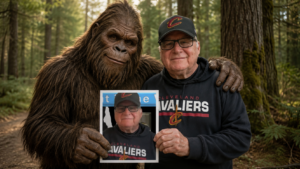

For past information, please go back and scroll through the yearly comments.
Also all new information for #yesican Coaching with Karen will now appear in the Daily Comments.
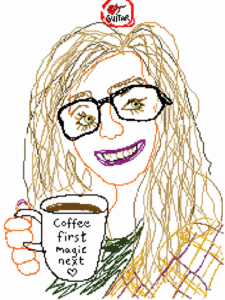 18 May 2026 – You Are Not Alone
If you are a widow or widower, please know this—you are not alone. Say what you will about social media, but it has given us a place to share our voices and find new friends who understand.
We were never taught how to build friendships that survive loss. Too often, grief leaves us standing alone, and if we choose not to be lonely, we must create a new circle—one that honors what was and embraces what is.
Sometimes we’re fortunate: friends and family continue to include us, encouraging us to stay social. But sadly, that’s not always the case.
When Rich and I married, our circle included colleagues and friends from both our workplaces. As life evolved and families grew, those relationships drifted in different directions. Parenting a son on the spectrum in the 1990s changed our social world dramatically. Autism was misunderstood, and ignorance led many well‑intentioned people to keep their distance. Some parents didn’t want their children playing with ours, and that isolation delayed Alex’s social growth. Rich and I poured our energy into him, and our personal friendships were quietly set aside.
When Rich died, I realized I needed a circle beyond family and the friends who had stayed. This new circle allows me to be honest about my emotions and to learn from others walking this same road.
What I’ve Learned Along the Way
- It’s okay to cry—even when you don’t know why. Tears cleanse the heart and help us remember as we step forward.
- It’s okay to feel sad, but it’s vital to seek contentment and joy. Remember, “When you’re smiling, the whole world smiles with you.” Wouldn’t your loved one want to see your smile?
- It’s okay to be afraid. This is an uncharted path, full of potholes. Ask for help when you need it.
- It’s okay to share your thoughts and emotions. Not everyone will understand, and that’s all right—their lack of empathy isn’t your burden.
- It’s not okay to use grief as an excuse. We all grieve differently, but we must remain mindful of others and keep moving toward healing.
Support groups, grief therapy, counseling, and coaching each offer something unique. Keep reaching until you find your comfort zone.
Keep Believing in You
You will trip and fall. Sometimes someone will reach out a hand, but often you’ll have to pull yourself up. Believe in yourself—the person you lost believed in you. Take their hand in spirit and let them guide you forward.
This past weekend, I allowed myself to fall. I lay there in pain and refused to get up—until I chose to. I brushed myself off, found my footing, and today, despite physical discomfort from PT, I’m smiling with contentment.
Join my journey. #YesICan — Coaching with Karen
 17 May 2026 When a Shower is Enough –
Even when we know we’re spiraling, we still let our minds run off the rails until we hit a wall. Last week started beautifully, and then life — in all its unpredictability — knocked me off course. I thought I had a handle on things, until suddenly I was angry, sad, lonely, and completely unwilling “to people.” A friend of mine calls this being out of cope, and that’s exactly where I landed.
Despite all the tools I’ve learned and taught, I couldn’t summon the energy to breathe through it, release it, or steady myself in the storm. I made some choices that didn’t serve me — mostly retreating inward, sharing very little, letting the emotions wash over me and, eventually, move through me.
This morning, though, I woke up choosing differently. My inner voice put up a fight, but I pushed back against the derailment and found my footing again. The last 48 hours have taken a toll — physically, emotionally — and I feel wrung out from the effort.
You might wonder: If I knew what to do, why didn’t I do it? The truth is simple. I’ve been holding myself together for months, and I just didn’t have the strength to keep controlling every feeling. That’s life. Sometimes we have to walk through the wreckage before we can rebuild.
Whether you’re grieving a loved one or grieving your own loss of control, it’s OK to feel like you have no cope left. I needed these two days to feel, to unravel, to release — so I could return to myself. Writing helped. It gave shape to the chaos in my mind and reminded me that I had stopped feeling because I was too busy doing. And doing without feeling becomes motion without meaning — and eventually, commotion.
We often create our own discomfort by trying to be the “good strong soldier.” But strength isn’t always the answer. Sometimes the most compassionate thing we can do is allow ourselves to soften, to give in, to rest.
Tonight I shifted the pattern. After hours spent cleaning, sorting, planting — trying to restore order outside of me — I chose to take a long, hot shower and prepare for tomorrow. I’m usually a morning-shower person, but something in me knew I needed to end the day differently. To rinse off the residue of the last two days. To breathe with a quieter mind and, yes, clean hair.
Now I’m sitting at my desk, letting my hair air-dry, feeling lighter — cleansed, even — from the weight I’ve been carrying. That shower didn’t fix everything, but it gave me a moment of release, and that release helped me find my cope again.
Join me on this journey. #yesican Coaching with Karen
 16 May 2026 – Feeling Sorry for Myself- Some days simply aren’t great. Not because of one specific thing, but because the weight of everything settles in at once. Today was one of those days for me. I started out strong, but the gray sky and the steady, on‑again off‑again rain slowly pulled me into a heavy, moody fog. I found myself complaining internally as I pushed through projects that felt small, tedious, and strangely unsatisfying. I slipped into feeling sorry for myself — feeling alone, feeling lonely — and reading too many posts from other widows and widowers only stirred up more anxiety inside me.
Tonight, I’m choosing to give myself grace for all of it.
I’ve worked hard to redirect my negative thoughts, to reach for that elusive sense of contentment, but today I didn’t want to reach for anything. I wanted to cry, but the tears wouldn’t come. I wanted to be angry at someone — anyone — just to release the pressure building inside me. But who was there to blame? Who could I point to for this hollow, aching emptiness?
I’ve read posts where people blame doctors, nurses, family members, even God. But the truth is, there’s no one to blame. I know16 I have choices in how I respond to my emotions. I’ve built tools to help me when my thoughts start spiraling. And yet today, I chose to let myself hurt. I chose to sit in the emptiness. I’m not even sure why — but maybe I don’t need to know.
As evening settles in, I’m beginning to understand my emotional storm a little better. I needed to feel what I’ve been trying so hard to heal. I’ve been using my tools to keep the feelings at bay, but they were still there — brewing, churning, waiting for a gray, rainy day to spill over. My emotions and the weather were perfectly aligned, and now that the day is ending, I’m ready to pause and make gentler choices.
If I didn’t enjoy my own company today, I doubt anyone else would have either. And if Rich is watching over me, I think he would understand that I needed to hit this breaking point. It’s okay to feel these things — as long as I don’t stay stuck in them.
The emotional heaviness has settled into my body. My shoulders and neck ache deep beneath the surface. So tonight, I’m giving myself some TLC — using my TENS unit, easing the tension, breathing deeply, letting my body catch up with my heart.
Today wasn’t my best day. It was dark and heavy and uncomfortable. But tomorrow, the sun will rise again.
Join me on my journey. #yesican Coaching with Karen
 16 May 2026 – SATURDAY MORNING –
There was a time when I dreamt of sleeping late on a lazy Saturday morning. As a working mom, Saturdays were rarely lazy. I often worked two jobs, and on the rare weekends when I wasn’t out of the house, the chores lined up like impatient children calling my name. I used to imagine a future version of myself who would ignore the inner voice insisting everything had to be done now and instead sink into the soft comfort of my bed, letting rest wash over me.
This morning, in a way, I did that. I woke at 4 a.m., drifted back to sleep, and let myself rest until 6. But once my brain and body decided it was time to get up, that was it. By 8:25 a.m., I had already had my coffee, vacuumed the kitchen and dining area, washed the kitchen window inside and out, cleaned up the kitchen, started the dishwasher, and hung the family photos I printed for Rich’s celebration of life. Those two extra hours of rest clearly energized me — and now I could use a nap.
I’m not complaining. I’m simply noticing how what we think we want doesn’t always match how we move through life.
I know I have a “do it now” personality. I’ve been working on slowing down, distinguishing between what needs to be done and what really needs to be done. But this morning I slipped into old habits. I could have chosen to do nothing, or just a few things. I’m not sorry I accomplished what I did — but I can feel my brain already calculating what else I can tackle today. That calculating is exactly what I need to keep working on. There will always be chores waiting. Prioritizing is the key to a healthier life.
As a life coach, I recognize when that inner voice is steering the ship. Lately, I’ve been hearing my mother’s voice too — pointing out the spot on the window, the crumbs on the floor that “needed” vacuuming because sweeping would only move them around. And if you’re imagining my mother as some perfectionist taskmaster, she wasn’t. I was the one who chose perfection. When I missed the mark, she simply pointed it out because she knew I wanted to meet my own expectations.
As a teenager, I spoiled my mom. I cleaned the house while she worked, put the laundry away, and wanted my parents to come home to a peaceful space. But my need for orderliness came at a cost. After a full day of school, I’d come home, clean, and try to smile through the exhaustion — all without recognition. I felt used until, years later, my mother explained that I had set the expectations. I was meeting my own internal standard and assuming they would reward me for something I had chosen to do.
People pleasers often think we’re pleasing others, but really, we’re trying to satisfy something inside ourselves — until it becomes extreme. That was my pattern. Helping fulfilled me… until it didn’t. Keeping house for my parents eventually became a chore I assumed was expected of me. And I carried that same mindset into my marriage.
When I moved in with Rich, I took on everything — grocery shopping, cleaning, cooking, working full-time, raising my son, building a social life for us, adjusting to a new city. No wonder I was overloaded. I took every task off Rich’s plate except his job. And here’s the truth: Rich never asked me to do it all. I just did it.
Over the years — and I was a slow learner — I discovered that all I had to do was ask Rich for help. He would always do it, but in his timing, not mine. As a “do it now” person, waiting hours, days, or weeks felt impossible. And yes, I often did the task myself before he got to it. Eventually, Rich saw the pattern. He realized I was capable of doing everything I asked him to do, and since I did it so quickly, he didn’t always understand that I needed his help — not the task itself.
Looking back, we were both making choices that fulfilled us. If I wanted something done, I did it. Rich admired my ability, but he didn’t always grasp the urgency behind my requests until I learned to use my voice differently. When I changed my language — explaining what I needed, why, and when — everything shifted. Not everything got done my way, but we finally understood each other’s expectations.
If you’ve been following my blog, you know I’ve been purging what I call “Rich’s stuff.” Yesterday I found two Tupperware celery containers filled with discs labeled 1991–93 — consulting work we did together, including training materials I created. None of it is relevant now, so I tossed them. And I had to laugh: why were we saving these? And why did purging feel like a chore to him when it brings me joy?
Rich and I were different as night and day, yet we fit together beautifully. If I had learned earlier how to communicate in a way that invited him into the chores with me, maybe I would have had more free time — or maybe not. What I do know is that we were happy, we were in love, and that love is what supports me now as I learn to live more fully.
I’m creating space for his energy and memories to move with me through my days. Whether I wake early and dive into chores or allow myself an extra fifteen minutes of rest, it’s my choice. It’s also my choice to miss him, to talk about him, to keep him present. He may not be here physically, but he is still here — and always will be.
Join me on my journey. #yesican Coaching with Karen
5/16/26 Look what we are doing ….

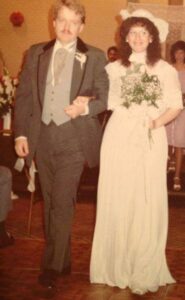 14 May 2026 – Til Death Do Us Part? –
I came across something online today that upset me. Someone shared that their clergy told them they would never see their loved one again because the vows say, “’til death do us part.”
I don’t accept that as truth. None of us can say with certainty what eternity holds, but I believe — deeply — that I will see my husband again in some form. Until then, I move through my life feeling his energy, his love, and his presence. Belief can be healing. It can be a lifeline. And for me, it’s part of living fully and honoring what my best buddy would want.
Rich and I had 42 years of conversations, hopes, and dreams that stretched far beyond this lifetime. When he went into cardiac arrest and spent a week in a coma, I never gave up on him. I prayed in my own way for whatever was best for him. I placed him in the hands of God — and I remain in those hands now as I continue my life.
Some might say Rich and I had “different Gods” because he was raised Christian and I was raised Jewish. But we never saw it that way. God, for us, was the spiritual force that carried us through every struggle and every joy. We leaned on that same energy, that same love, and it’s what carries me forward today.
I believe Rich and I will be reunited someday — maybe not in the way people imagine, but in love, in energy, and through the lives of our boys.
Rich left behind a legacy of friendship. He cared for people fiercely and consistently. One of the biggest hurdles for me early in our marriage was accepting that he stayed connected to his past girlfriends — not out of longing, but out of loyalty and kindness. Over time, I came to understand that his past didn’t threaten our marriage; it enriched it. His tenderness was part of who he was.
Today, I reached out to one of those women for her birthday. That’s how legacy works — it keeps moving, keeps touching lives, keeps reminding us who someone was.
Grief is confusing. It’s lonely. It makes you feel vulnerable in ways you never expected. And yet the world keeps turning. It would be easy to hide under the covers and shut everything out, but that’s not who I am. My spiritual self-nudges me forward, even when it’s hard.
I took a chance when I met Rich. I took a step forward then, and I will keep taking steps now.
Walk with me. Share your story with me. #yesican Coaching with Karen
 13 May 2026 – Saying NO is OK
Strange as it sounds, I can feel myself changing. Evolving. And even though I’m aware of it, the experience is still puzzling. I’ve spent most of my life as a people pleaser, assuming that if my efforts didn’t land, I was the problem. My inner critic would roar, calling me every “bad” name in the book. The more I tore myself down, the harder I tried to win approval. I truly believed that was the answer.
Years of therapy, online seminars, working with a Life Coach, and eventually becoming one myself taught me something different: I have to please myself first. It’s the oxygen‑mask principle—if I can’t breathe, I can’t help anyone else. I must secure my own mask before reaching for someone else’s.
In the past couple of weeks, I’ve heard myself say a word that once felt impossible: No. I’ve also started choosing what I want to do—and what I don’t. I began with my work, the work that nurtures me. But since Rich’s illness and death, life has shifted and so have my needs. Acknowledging that isn’t easy. Seventy‑six years of programming still clicks in. When it does, I’m faced with a choice, and sometimes that choice feels foreign.
Two recent moments made this clear.
- Trivia Night
I had plans to join a new friend for Trivia Night. I’m terrible at trivia, but it felt like a chance to get out, meet people, and stretch myself.
Then came one of my “bad” migraines. My inner voices argued nonstop—cancel, don’t cancel, cancel again—making the pain worse. I lay down, breathed through it, and slowly felt relief. And then, almost without thinking, I got up and got ready.
I went. I had fun. I still sucked at trivia, but that wasn’t the point.
When I got home, it hit me: I can do things I never would have allowed myself to do before. And I get to choose.
- Rescheduling a Client
The next morning, I had an early physical therapy appointment. I didn’t expect to come home sore and exhausted. I had a client scheduled shortly after, and as I prepared, my body was screaming for rest. Again, the inner debate started—should I push through or stop?
This time, I overruled the noise. I rescheduled. It was the right choice for me and for my client. Without my own oxygen mask on, I wasn’t capable of helping anyone.
What’s different now?
In the past, I would have canceled Trivia Night in a panic and then avoided going in the future. That one choice would have quietly shaped my life. Now, I’m choosing what fulfills me. By stepping outside my comfort zone—physically and emotionally—I found joy. I learned it’s not about being the best; it’s about showing up. And next Monday, I’ll show up again, even if my answers make people shake their heads.
With my client, I acted as a true professional. Whether others see it that way is their choice. Mine was to honor my limits. Until my oxygen mask is secure, I’m not capable of supporting anyone else.
Looking Back, Moving Forward
I can see now how often I put Rich and everyone else first during our 42 years together. I can also see the conflicts that created—conflicts that hurt me more than anyone else. Today, I’m letting my past guide me forward. I’m learning to quiet the inner voices that create chaos. I’m learning to put on my oxygen mask first.
If you’re navigating similar shifts, I invite you to walk with me.
#yesican — Coaching with Karen
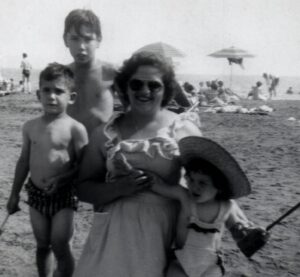
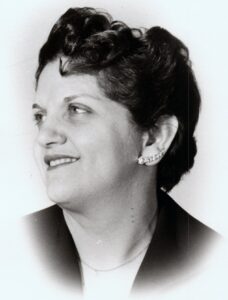

MOTHERS DAY
Mother’s Day — a day that once filled my little-girl heart with pure excitement. One year still glimmers in my memory like a small treasure. Pops took Joel and me to Dempsey’s Department Store in Detroit, where we carefully chose a red half‑slip and a purse for my mother. There was something tender and almost sacred about being with him, watching him select gifts for his beloved D’Vasha. I felt so grown-up, so trusted, as we wrapped those gifts. I could hardly sleep waiting for Sunday morning, imagining the joy on her face.
We didn’t have much money, but my father had a generous soul. He believed that giving from the heart was really a gift to oneself — and he taught us that truth simply by living it.
I don’t remember Mom’s exact reaction that Mother’s Day, but I do remember her wearing that red ruffled half‑slip for years. That was her way of saying she loved it, and she loved us.
As I grew older, I’d save my pennies and nickels until I had a whole dollar. Then I’d walk to the little lingerie shop and buy her an Initial Hankie — one each year. I still have one of them, a soft reminder of the quiet rituals that knit a mother and daughter together.
Mother’s Day also meant visiting my Baube Friedman and then Grandma Jen. Baube was my “old‑fashioned grandma,” with her Russian roots and warm Yiddish accent. Grandma Jen was my modern grandmother — independent, working, driving, and moving through the world with confidence. She’s the one who took Joel and me to see Some Like It Hot. I was nine, he was thirteen, and I’m sure the humor went over our heads, but sitting in the balcony with popcorn felt like magic.
Those early Mother’s Days were stitched with love, tradition, and the women who shaped me. Even now, they rise in my memory like a familiar melody — comforting, steady, full of grace.
Mother’s Day was also tied to my Aunt Lieba and my brother Joel, who shared the birth date of May 11th. Just as I shared my birthday with my mother, Joel shared his with Mom on Mother’s Day. Every year she baked her homemade version of the Awrey’s butternut cream cake he adored, and we celebrated together — one cake, many hearts.
These memories live in the first fourteen years of my life, before everything shifted when we moved to Minneapolis in ’64. Mother’s Day was still honored, but the world felt different. I never found a store that sold Initial Hankies, and we were hundreds of miles from family, which often made my mother ache with loneliness. Joel was nearby on his college campus, but being a teenager, he didn’t always come home. So, Dad and I did our best to make the day special for her.
Life evolves, and sometimes the glow of the “good old days” softens the truth of what came after. Still, I am grateful — for the memories that shaped me and for the new ones created in later years.
As a mother myself, I’ve been celebrated by my boys, my husband, and my parents. It has been one of my greatest honors to be both a daughter and a mother. And I hold deep gratitude for the men who made me a mother — Bruce and Richard.
This year, Mother’s Day brings a different kind of reflection. It is another first without Rich. The ache is real, but it is not the same sharp pain I felt four years ago when Alex packed up to move out of state. I stood in the driveway numb, then sobbing, as if I were losing my youngest forever. Empty nest syndrome is no joke. But my birds do return, and their presence — Steve and Alex — is my greatest gift.
As I reflect today, missing my mother, my beloved mother‑in‑law Loretta, and the dear women who guided me, I also feel the strength they left behind. Their love is still here, urging me to walk forward with intention.
When I woke up this morning, I wished myself a Happy Mother’s Day. I filled my heart with the truth that I have always tried to be the best version of myself for the people I love. I am not perfect — but I am perfectly imperfect. I am me.
“I am ME. I am just as different as YOU. Together we are UNIQUE.”
I want to wish everyone a gentle, meaningful Mother’s Day. You don’t have to be a birth mother to celebrate. Each of us has at least one woman — a mother, a grandmother, a mentor, a friend — who poured love and guidance into us. Alongside my mother and Loretta, I honor my dear friend Sue Givot, who guided me for decades.
Life gives us choices, and sometimes choices are made for us. But today, we can offer ourselves one gift: the chance to seek our own inner happiness.
Walk with me. #yesican Coaching with Karen
 10 May 2026 – Getting through the Day –
I’ve been reading the stories so many women shared today, and my heart aches for how difficult this day can be. I don’t see myself as special, but I made a conscious choice to let today be peaceful. I spent the day alone, and that was truly OK. My sons have their own lives and careers, just as I once did. When I married in 1971, I moved away from my parents’ home, and life’s circumstances never brought me back to live near them. Still, we stayed connected — sometimes on special days, sometimes turning ordinary days into something special.
Back then, long‑distance calls were expensive. Today, we can reach each other instantly — by phone, FaceTime, Zoom — and create closeness in ways our younger selves could never have imagined.
These past five months have changed me. I am now one of the 2,800 women who become widows each day — a word I still struggle to accept. Like so many others, I’ve had to pivot again and again, learning a new way to walk, talk, and think. I used to check in with my buddy, my partner, my Rich, countless times a day. We shared everything — the big things, the small things, the silly things. I thought we had more time. I thought we were invincible. But we weren’t, and life — and death — reminded me of that.
I still wrestle with the “how” and the “why,” but I’m trying to release the questions that have no answers. Sometimes all I can say is, it is what it is.
Losing a partner feels unfair, and yet we all know that one day, one of us will be left behind. I’ve chosen to see my path now as an opportunity to show Rich he was right — that I am strong, that I can keep going, and that his love still fuels me.
This weekend, I focused on simple things. I tended to my little patio garden, adding bright plants and thinking of Rich with every step. I let memories of my parents, my in‑laws, and my brother — who would have turned 80 tomorrow — wash over me gently.
But this weekend wasn’t only about loss. I connected with my boys, my brother, and two nieces. Those connections keep my heart beating. I reached out to girlfriends, celebrating them as mothers or as the nurturing women they are. Today, I created my own sunshine, and I feel radiant
There was a time when a day like this would have left me lonely and full of self‑pity. I’ve learned how destructive that can be — not just to me, but to the people who love me. It isn’t always easy to quiet the negative inner voice, but I’m working on it. I’m building new tools, new habits, new ways of being the best version of myself.
When we choose a mindful path, life has a way of offering comfort. Richard — and your loved ones — would never want us to crumble in their absence. They would want us to carry their love forward, to let it steady us as we continue living.
And that is what I’m doing. One day at a time. One breath at a time. One choice at a time.
Please join me on this journey #yesican Coaching with Karen
 9 May 2026 A Netflix Morning
I got up early as usual this Saturday morning, but I did something different. Instead of taking my coffee my coffee up to the office and working, I sat in my living room, lounging on Rich’s side of the loveseat and watched a movie on Netflix, “Remarkably Bright Creatures” with Sally Field. Sally Field was one of Rich’s favorite actresses he loved her cuteness from her teenage years through her maturity. When I heard about this movie I knew I wanted to see it, so I spent the last 90 plus minutes watching it and love it.
This is the first movie (or program of any kind that I was able to sit through at home and absorb!)
I recommend this movie to everyone because the theme is something we all should live by and that is there is no expiration day on finding our happiness. Once we open ourselves up others will open their hearts to us and the community can bring joy into the crevices of sadness that we have let invade our thoughts.
Yes this was a movie but there is no reason why we have to allow the negative inner voice direct us. We need to listen to the positive voice and allow it to resonate louder and let the sunshine warm our hearts.
Today is the day before Mother’s Day and although I am facing this week alone I do not feel lonely. My boys have celebrated this day with me on the most important days, the days without a label…I know I am loved and cared for and this year May 10, 2026, is just another day that I can be proud to call Steve and Alex my sons. I am also blessed to think of my niece as my daughter and her children as my grandchildren. I love them all and that is my sunshine on this rainy, cloudy day.
Join me in Wishing Yourself a Happy Day
#yesican Coaching with Karen
 8 May 2026 Mindfulness
Is This Reality?
Do you ever feel like your life is a soap opera that suddenly morphs into a full‑blown horror flick? If so, welcome to the club. As life keeps evolving, it can feel increasingly unstable when we’re not paying attention to how we got where we are.
Even the most well‑intentioned among us — the planners, the list‑makers, the ones who swear we’re sticking to the path — eventually wander off into the weeds. One minute we’re strolling along a familiar trail, and the next we’re tangled in the thick brush of the emotional forest, wondering how the hell we ended up here.
And when we haven’t left ourselves breadcrumbs, that’s when panic sets in. Our thoughts start circling like vultures, stirring up even more chaos, convincing us we’re lost for good.
Reality is Human!
So let me start with this truth: we are human. We will not be perfect. And life will absolutely throw shit at us. Not because we’re failing, but because this is the terrain of being alive — messy, unpredictable, and constantly inviting us to find our way back to ourselves.
This year, I’ve decided to give US a Mother’s Day gift that doesn’t come wrapped in a box: the gift of mindfulness. And I want to share it with you, because when life starts swirling out of control, this practice can bring us back to a place of inner steadiness.
Buddhist Mindfulness
I’m not a Buddhist, but I deeply respect how Buddhist teachings have offered the world a powerful approach to meditation — one that strengthens the mind by strengthening awareness. And awareness is exactly what we need when we’re trying to understand ourselves and regain a sense of control.
Breathing is something we do automatically, but mindful breathing is different. It’s about paying attention — noticing where the inhale begins, where the exhale ends, and how your body and emotions respond in between. That simple awareness can interrupt the mental spirals that do us harm, the old messages we’ve absorbed over a lifetime that sometimes need to be released.
With regular practice, mindfulness meditation sharpens the brain and steadies the heart. It starts with one inhale, one exhale, and one question: Where did I feel that? If the sensation is uncomfortable, breathe again. Repeat until you find a rhythm that brings you back to center — physically and emotionally.
I Use Mindfulness
I use mindfulness as my personal circuit breaker. When life tries to shove me off the path and send me tumbling over the edge, this practice is what helps me pause before I fall apart. I’ve relied on it for years, and it works — when I actually use it. Because yes, I’m human too. I get stubborn. I want the world to correct itself while I sit still and wait. But life doesn’t recalibrate unless I participate. Mindfulness is how I step back into the moment with clarity instead of chaos.
When my mind starts swirling, the only thing I can truly anchor to is my breath. It tells me everything: whether I’m calm, whether I’m spiraling, whether I’m holding tension I didn’t even notice. Paying attention to my breath shifts me out of panic and into awareness. That awareness releases endorphins, steadies my body, and gives my brain the space to solve the problem — not all the imagined problems piling up behind it. The overwhelm dissolves, and I regain the ability to choose my next step.
Some Call it Exercise
Movement is another form of meditation for me. Most nights — about 95% of the time — I get on my stationary bike for 30 to 40 minutes. Yes, it’s cardio, but it’s also my mental reset. The rhythm of pedaling helps me listen to my body, quiet my thoughts, and reconnect with what I can do and what I want to do. That movement energizes me and keeps me from slipping off the path entirely.
But here’s the truth: these techniques only work if you want them to. Mindfulness, meditation, breathwork — they all depend on our willingness to choose our own wellness, even when it feels easier to shut down.
SHIT HAPPENS
If you’ve followed my writing, you know this past year has been brutal. My husband lost his job. I had major shoulder surgery. Our son moved back home for a month. My oldest brother became ill. My middle brother died. My husband lost his job again. He also suffered complications from prostate radiation. And in January, he died.
Through all of it, I pushed myself to return to these practices — sometimes gently, sometimes dragging myself back by the fingertips. Without them, I would not be sitting here today, offering this gift. Mindfulness didn’t erase the pain, but it kept me from drowning in it. It gave me breath when everything else felt like suffocation. It gave me a way forward when the world went dark.
And that is why I share it — because it has carried me through the unimaginable, and it can carry you too.
Join me #yesican Coaching with Karen
7 May 2026 The Dream of Clutter
Last night I had a dream that was both comforting and unsettling. Rich returned — alive, present — and my emotions were instantly tangled.
I felt like an imposter. I had told the world he died. I had shared my grief openly. And now here he was… or was he? In the dream, we weren’t fighting, but we were in conflict. He wanted to bring back all the “crap” I’ve been purging, using that classic Richard logic to justify adding more clutter. I tried reasoning with him gently, not wanting him to feel rejected, so I accommodated him — even as a quiet unhappiness grew inside me.
That feeling stayed with me when I woke up. In the dream I saw him clearly and heard his voice. His presence filled me, but it didn’t fulfill me. It felt like my world was spinning in the wrong direction. Instead of comfort, his return brought contradiction. And I found myself wondering why I couldn’t just be happy to see him without letting the “junk” overshadow the moment.
This morning I turned to AI Copilot and shared the dream — and the disruption it stirred. A part of me feared that maybe I was an imposter in my grief, that maybe I didn’t love him the way I believed, or that I was somehow more complete alone. But I know that isn’t true.
Our love was never a Hallmark™ script. We were friends, buddies, lovers, sparring partners, and guides. We each had our own needs, our own quirks, our own ways of being in the world. And we navigated all of it together.
We were opposites. He thrived in his organized clutter; I find clutter overwhelming and am forever trying to create neatness — sometimes to the point of misplacing things in my own tidiness. We were imperfectly perfect for each other. And if it were possible, I would learn to live with our imperfections all over again.
Maybe this dream is telling me to slow down. Maybe the purging scares me because it feels like losing him all over again. Losing someone physically is one thing; losing them emotionally or spiritually is another. I don’t want 42 years of marriage to disappear under the weight of “stuff.” I want those years to energize me as I learn to love and trust myself moving forward. I won’t let self‑doubt dissolve a life that still means everything to me.
Rich taught me how to love myself. Rich taught me how to be a lifelong friend. Rich taught me to be less judgmental. Rich taught me to love life.
So now I’m choosing to see the beauty in the dream. I got to see my guy. I got to hear his voice. I saw a familiar version of him — the one who sometimes created conflict, the one we always worked through together. The dream reminded me of what we had, and that it’s OK for me to shape my life now, just as he would have done if our roles were reversed.
I haven’t thrown Rich away. I haven’t thrown our love away. I’m simply clearing the clutter so I can see more clearly the love that still lives inside me. Love doesn’t die. It roots itself deeply and continues to grow.
Join me.
#YesICan Coaching with Karen
 5 May 2026 –
It’s Tuesday, and normally that would mean a “What In the World” day with Paul Seaburn and his sidekick John DiNallo — bringing you Real News, sometimes weird, always funny, all crafted by comedy writer Paul Seaburn. But today, the three of us are on hiatus, so it’s a stream‑a‑show kind of day instead. https://www.youtube.com/What In the World
Even when I take a hiatus it does not stop me from working as my work is my purpose. I am not talking about the minutia parts but the over-all concepts that provide me mindfulness and wellness.
Over the last several weeks and months, I’ve intentionally stepped back from many things. Some of that is connected to the loss of my husband, but not all. Rich’s passing has simply made me more aware of how I want to live: with intention, with enrichment, and with space for rest. Even my downtime has meaning — whether it’s a short nap or standing at my doorway breathing in the Spring air. Recently, I’ve found myself watching the birds outside my dining room window as they feed their babies in the little birdhouse. Witnessing nature up close has become a quiet invitation to peace, and it brings a genuine smile to my face.
Someone recently wrote on Facebook that after a loss, we are never the same person. I agree. Every loss in my life has reshaped me, nudged me, or pushed me into a new version of myself.
The first time I truly noticed this was in 1964, when my family moved from Michigan to Minnesota. I was a vulnerable 14‑year‑old with acne, shaky confidence, and no idea who I was becoming. But I saw the move as a chance to start fresh. I chose to act more confident, and in doing so, I slowly became that girl in the mirror — someone I didn’t recognize at first, but someone I grew to like. She was a better version of me.
Then in 1968, in the middle of my senior year, we moved back to Michigan. I was devastated — leaving friends, leaving the boy I thought was my forever (and yes, I still think of Steve). That grief was softened only by my mother’s joy at returning home and the news that my brother and his wife were expecting a baby.
In my second year of college, debilitating migraines forced me to leave school. I had enough credits for an associate’s degree, so I walked away and went to work, wanting to stay close to the boyfriend who would later become my husband. It was a complicated loss — the end of school, the beginning of something else — and I learned to convince myself it was the right choice.
In 1971, I married him and followed him out of state for Dental School. I was far from family, working a job that chipped away at my self‑esteem, and feeling more alone than I expected. That loneliness became one of the catalysts that eventually ended our marriage.
In 1975, Steve was born. Because of misinformation during delivery, doctors believed he might have meningitis. He spent a week in the neonatal clinic while I hovered between fear and heartbreak. When he was finally cleared and we brought him home, I became obsessive in my care — a mother trying to protect what she almost lost.
Life kept shifting. With each change came sadness, joy, and another evolution of who I was becoming.
Over the years, I’ve lost loved ones and babies who never had the chance to grow. Every loss was real. Every loss hurt. And while time softens the edges, healing still requires willingness — the willingness to feel joy again, to move forward, to let life continue.
Today, many families are experiencing a different kind of loss: estrangement. Adult children walking away from parents or siblings, often without explanation. As children, we expect our parents to “get it right,” but most parents simply do what they believe is right at the time. There is no perfect manual for parenting. Much of what we do is inherited — learned behaviors passed down through generations. Maybe instead of estrangement, we could begin with awareness, compassion, and understanding.
I now see things in my own mother that I couldn’t see then. She always insisted she had never been depressed, yet I believe those four years in Minnesota were exactly that. She was the “good girl,” raised to hide her feelings, so she worked full‑time and kept our apartment immaculate — her castle, her domain. During those years, I felt the loneliest I’ve ever felt. I believed my happiness would overshadow her sadness, and that she deserved her feelings more than I deserved mine. When we moved back to Michigan, I got my happy mom back — and suddenly I was the one feeling depressed, something she didn’t believe existed.
You may be tired of hearing about mindfulness, but I believe it deeply: our children should be taught — at home and in school — how to be aware of who they are and how they want to live. My generation was raised to believe college was the only path, and that women should be teachers or nurses while men became doctors, dentists, lawyers, or accountants. But not everyone is wired for those expectations. I certainly wasn’t. Even though I’ve taught and trained throughout my career, those roles were never the dream — just part of the journey.
Throughout my life, I’ve pushed myself to the next level, choosing how I climb each step. Some days are slow and intentional. Other days, I sprint — determined to finish the marathon.
Join me on my journey. #yesican — Coaching with Karen
 4 May 2026 Thougts
Weather, Well‑Being, and the Quiet Work of Listening to Ourselves
It’s Monday morning in early May, and the forecast promises sunshine and warmth — the kind of day that usually makes me want to jump up and down with joy. But even the best forecast seems to come with a twist lately. Clouds and rain are expected later, and tomorrow the temperatures drop again, ushering in another stretch of chilly days.
Now, 50s and 60s aren’t terrible… unless they’re damp and rainy, turning the air into something that feels more like the 30s or 40s.
It’s remarkable how deeply Mother Nature affects us — not just our plans, but our bodies, our energy, and our emotional landscape.
Weather truly does shape our moods. It influences our biological systems in ways we often underestimate.
- Sunlight boosts serotonin, bringing calm, clarity, and a gentle lift in mood.
- Grey skies and cloud cover can leave us feeling flat, foggy, or simply “blah.”
- Daytime darkness increases melatonin, nudging us toward sleepiness and low motivation.
- Cold temperatures can pull our emotional health downward, while high humidity drains our energy and fogs our thinking.
- Shifts in atmospheric pressure — especially before storms — can trigger irritability, headaches, and physical aches. Many people with arthritis swear they can feel the weather changing before the forecast does.
Science has confirmed these patterns for generations. So, when someone says, “It’s all in your head,” they’re not wrong — your brain is simply responding to what the weather is doing to your body.
I’ve never been a winter person. During those long months, my energy dips to its lowest point. I feel more sadness, more emotional turbulence, and a constant longing for sunlight and warmth. From November through March, it often feels like rolling dice each morning — just trying to make it to the next day, the next sliver of light, the next hint of warmth.
And now here we are, in the first week of May, and it still doesn’t feel like spring. The trees are blooming, the grass is lush, and the world is turning green again… yet the temperatures remain stubbornly cold, and I’ve seen more than enough snow and rain for one season.
But just like the grief journey, there is a weather journey. We don’t have to like it. We simply have to move through it.
Every season — emotional or meteorological — asks something of us. Each step, whether forward, backward, or stuck in place, teaches us something if we’re willing to be mindful. When we recognize that we have choices, even small ones, we begin to honor our personal needs.
And that’s where the real work begins learning to access those needs.
Listening to Your Body: The First Doorway to Your Needs
Your body speaks long before your mind forms a thought. When you pause and pay attention, you’ll notice signals that point directly to what you need.
- Tight chest A need for safety, reassurance, or clearer boundaries.
- Exhaustion A need to slow down, rest, or ask for support.
- Shoulder tension A sign of carrying too much — physically or emotionally. Breathing, stretching, and gentle movement can help release it.
- Restlessness A need for movement, stimulation, or meaningful connection.
- Heavy limbs That “I can’t move” feeling often signals a need for comfort, solitude, and tender self‑care. And yes — we are all entitled to TLC.
These physical cues often stir up emotions: sadness, anger, anxiety, loneliness… and sometimes joy. Every sensation is a messenger.
You don’t have to feel alone in any of this. The truth is: you must become your own best friend. The one who listens. The one who responds. The one who shows up.
Because your needs matter — and so do you.
#yesican Coaching with Karen Kh.yesican1@gmail.com
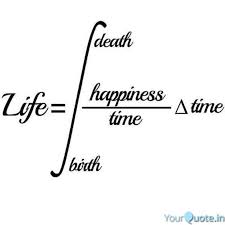 2 May 2026 – Are you ready to live?
Don’t say no. I know you’re hurting. Your loved one has left this earth, and the idea of living without them feels unbearable. But unless you choose to end your own life — and I know that is not what you truly want — you still have a life to live. I know this because I have felt the same helplessness, sadness, and anger. And yet, knowing I still have choice is what pushes me to keep going, even when life looks messy or unrecognizable.
Let me be clear: I don’t have a magic wand to erase the thoughts or behaviors that send my emotions spiraling or settling. What I do have is the same power you have — choice. I can choose to crawl into bed, pull the covers over my head, and wait for life to end. But unless my body is truly ready to die, the reality is I would simply lie there suffering in the thoughts I allowed to take over.
Grief can dissolve us into a pile of raw emotion. And grieving is necessary — it’s how we honor what we’ve loved. But movement is essential. Movement reminds us that the love running through our veins is still alive, not clotted. Only you can dissolve those clots and let life flow again.
This morning I read posts from widows and widowers saying they cannot live without their partners. Some wrote they have no reason to live, despite having children, grandchildren, friends, pets, careers, or faith. But they do have a reason — they have themselves. We each get one chance to walk this earth. We get to create our own journey.
So, take a deep breath. If you aren’t going to die today, ask yourself: What is one thing I can do to live?
Do you know what keeps me going, even on my darkest days? I remember my husband — my best buddy, my Richard — teasing me for years: “If you go first, honey, I’ll have to find another girlfriend… maybe even a wife.” The first time he said it, I was furious. But over time I understood. He was a man who loved partnership, who loved loving, who didn’t want to be alone. Whether he would have found someone else, we’ll never know. But his words remind me not to waste my life. They remind me to live.
And if you happen to be a widower reading this — I’m not looking for my second. I’m content being on my own while building a thriving community of family and friends. I’m using my energy to heal myself and support others.
According to Gemini™, there are over 15 million widowed people in the United States — roughly 11–13 million widows and 3–4 million widowers. Nearly one million women become widowed every year. I am now one of them.
WE CAN MOVE THROUGH GRIEF.
- Acknowledge the pain and allow yourself to feel it without judgment
- Acknowledge and connect with others walking this same path
- Acknowledge your emotions and how they shape your days
- Acknowledge that happiness is still possible
- Acknowledge that you are not forgetting — you are integrating
- Acknowledge that today is the first day of the rest of your life, and breathe
Grief will never disappear. It will rise and fall when you least expect it. But you will learn how to face it, hold it, and keep moving forward.
Yesterday, I sat in a movie theater for the first time in over six years — with six other women. Richard wasn’t physically there, but he was in my heart. I carried his energy as I walked out my front door, drove to my new friend Joan’s house, climbed into her car, and met five of her friends — who now feel like mine too. His love steadied me as I took another step into this new chapter, one that will eventually lead me back to him when my time here is done.
There is nothing extraordinary about me except this: I am choosing life. And Rich would want that.
#yesican Coaching with Karen
Thank you, Joan, Susan, Beth, Tina, Sue, and Linda — I hope to see you all again soon.
 1 May 2026 Girlfriends – When was the last time you had a circle of girlfriends you could just be with—no expectations, no roles to play? For me, it’s been nearly a lifetime. I’m excited to step back into that space, but I’d be lying if I said I wasn’t a little nervous too.
Growing up in the ’50s and ’60s, the path felt pretty clear: date, find a boyfriend, get married. I didn’t date much—just one steady relationship before I met my first husband. I married at 21, believing it would last forever… until it didn’t.
After my divorce, with a young child to raise, I found comfort in single-parent groups. They connected me with others walking a similar path, and over time, I built a supportive circle and learned how to stand on my own. Still, a part of me longed to find that kind of love again—this time, for real.
Then I met Rich.
He wasn’t exactly the “tall, dark, and handsome” hero from a romance novel. In fact, when we first met, he was in the middle of a weight-loss journey and wore cowboy boots and western shirts—despite being from Ohio, not Texas. And while he imagined himself with a tall, long-haired blonde, I was a petite brunette with short, cropped hair. On paper, we didn’t match at all. But somehow, we just clicked. We became our own love story.
From the very beginning, we did everything together. We shared friends, experiences, and life itself. The only time we were apart was for work, and even then, the distance strengthened our connection. When we were together, we were fully present—100%.
Only in the past year or two have I started creating space for new friendships. Those connections have carried me through this latest chapter, especially since beginning my journey in January. And now, I find myself stepping into something new again—meeting new friends, saying yes to invitations, and opening my life in ways I haven’t in years.
Life looks very different now than it did the last time I was single. Back then, I was juggling motherhood, expectations, and healing from heartbreak, all while searching for “forever.” I did find it—beautifully—but I’ve come to understand something deeper: before anything else, I needed to find myself. And that’s the journey I’m on now.
Rich supported me in everything—encouraging me to follow my passions (except when it came to decluttering his collection of… let’s call it “treasures”). Our biggest disagreements were over the piles of old electronics, wires, and gadgets he couldn’t part with. These days, I’ve taken four full boxes of cords to be recycled—and I have four more waiting in the garage. I imagine when we meet again someday, he might raise an eyebrow… but we’ll kiss and make up.
Recently, I’ve been meeting new friends for coffee and lunch, and connecting with others online. Today, I’m heading out for a movie and dinner with a wonderful group of women who encouraged me to join them. I feel a bit like the new kid walking into class—hopeful, excited, and just a little unsure. But I remind myself: this is how new chapters begin.
Though I don’t have family nearby, I’m far from alone. My youngest son is two hours away, my oldest six. My brother is on the West Coast, my niece on the East. We stay connected, lifting each other up through everything. My brother has faced serious health challenges this past year, but through love and support, he’s healing—and it’s brought us even closer. Having them in my life is a true blessing.
I feel Rich with me in quiet ways—in memories, in moments, in the voices of those we love. I see it in our son Alex, and in the steady support of Steve. I know he’d be happy to see the relationships in my life continuing to grow, especially with my brother Gary. And Rachael has become the daughter we always wished for. Her kids, Zuzu and Griff, bring such joy—I get to love them like they’re my own grandchildren.
As I sit writing today, I realize I’ve found a grounding practice that’s helping me more than I expected. The weather hasn’t allowed barefoot walks outside, so I’ve improvised—standing barefoot on the carpet, curling my toes into the fibers, letting the sensation pull me back into the present. I’ve been using techniques from an intentionality workshop—focusing on small physical sensations, like rubbing my fingers together and listening for the faintest sound, allowing my breath to settle. The last two nights, I’ve slept better than I have in months. Not perfect but better. And I’ll take that.
I’m making plans now—both professionally and socially—and actually following through. And when I stumble, I’m learning to give myself grace.
If you’re reading this, I hope you’ll give yourself that same kindness. Finding inner peace doesn’t always look like joy or excitement. Sometimes, it’s simply quieting the noise inside, softening the edges of worry and doubt.
Reach out. Ask for guidance. Take someone’s hand when it’s offered.
You might just find your way back to yourself.
#yesican Coaching with Karen
 30 April –How I Changed My Paradigm
After a week of intense planning for Rich’s Celebration of Life—and a full weekend surrounded by family and friends—the quiet that followed hit me with a force I wasn’t prepared for. The loneliness was so sharp, so sudden, that for a moment I feared my own tools wouldn’t be enough to pull me out of that dark, familiar hole.
For the first two days of this week, I felt myself slipping into the “O Woe Is Me” mindset. I didn’t enjoy it, but I stayed there anyway, almost choosing the darkness because it felt easier than fighting it. And then something shifted.
My deepest fear has always been that no one is listening. So, I made a different choice: I listened to myself. I cared for myself. Whether the words came out of my mouth or swirled in my mind, I paid attention. I guided them toward healing. Tuesday was painful, but I pushed through it. I reminded my overthinking brain that if I wanted to be OK, it would take time—and that I was the only one who could redirect the thoughts pulling me off course.
I wrote. I searched for positive quotes to lighten the weight on my chest. I moved my body, stretched, and released the tension that grief stores in the muscles. I reached out to a client and invited her to share her story—guiding her the same way I needed to guide myself. I showed up vulnerable, and that honesty softened the edges of my angst. I stopped letting it control me and chose, instead, to take control back.
Yesterday, I woke up feeling good. The spiral had loosened its grip. I put my feet on the floor and stepped forward—literally and emotionally. With only one appointment on my calendar, the day was mine to fill with movement and healing. I started with simple tasks and let them build, one by one, until I felt content and accomplished.
And then came the craving: boxed Kraft macaroni and cheese. My brain argued with me all day about why I shouldn’t give in. But late in the afternoon, I drove to Marc’s, bought the box, and made it. That small act sparked something in me. As I stirred that cheesy, nostalgic comfort food, I felt… happy. I was giving myself the same simple comfort I had given my husband and boys for years. This time, it was for me. And it was exactly the hug I needed.
Maybe it was my mindset shifting, or maybe the universe was aligning, but as I lay in bed watching the Cavs win Game 5, my new friend Joan called. She invited me to join a group of women for dinner and a movie on Friday. The loneliness that had wrapped around me earlier in the week began to loosen its hold.
Weeks ago, I pushed myself to reach out through online groups—Facebook can be a lifeline—and that’s how I met Joan. She is a gift. She has opened doors to new friendships and new life. If you’re reading this, I want to encourage you: take the first step. Don’t wait. If you don’t meet your “Joan” right away, keep trying.
Yesterday I read a post from a recent widow asking, “When is it OK to start dating again?” The truth is: it’s a personal choice, and none of us should judge. We all have our own reasons for wanting companionship on this path. After my divorce, it took me two years to be ready to share my life again. I was insecure and afraid to walk alone. But after 42 years of loving and being loved deeply, I don’t feel the need for another long-term commitment. What I need now is community—and I’m building it, one connection at a time.
As a coach, I tell others to follow their heart, their needs, and their wants. And I remind them: it’s OK to change your mind. Never say never.
Today is a good day. I’m holding that close. I’m letting my brain absorb it. I’m letting my endorphins rise. I’m noticing the sun behind the clouds.
Not every day will be good. But that doesn’t mean we stop walking toward the brighter ones.
#yesican Coaching with Karen – I’m here for you too
 29 April –Mindfulness: A Practice of Awareness, Acceptance, and Choice
Therapy, counseling, coaching, and even simply sharing your story with the world can offer the release you need to refresh your thoughts and begin creating new pathways toward the life you want to lead.
It’s easy to let the mind take over our emotional wellbeing, even when its patterns are destructive. I’m not suggesting that waves of pain, panic, or sadness should be ignored. They’re real, and they deserve acknowledgment. But if we want to live more fully and with less angst, we need to understand mindfulness.
Mindfulness is a skill — a real, evidence‑based practice — and like any skill, it takes time to understand and integrate. Only you can become mindful of your own thoughts and choose how to respond to them.
To be mindful is to experience your body, your spirit, and your environment in this moment — not in the past, not in the imagined future. It’s observing the now without immediately reacting.
Awareness – Awareness means noticing your thoughts, emotions, and physical sensations as they arise.
Example: After a weekend visit with my sons, my thoughts drift toward loneliness — not aloneness, but loneliness. My emotions become antsy, unsatisfied, empty. My body reacts with shakiness, nausea, and headaches.
I can stay in that discomfort, or I can recognize that I need to shift the paradigm.
For me, writing out my thoughts, sharing them with trusted people, and listening to their reflections helps unlock the negativity and create a more positive pathway.
Acceptance – Acceptance means allowing those disruptive experiences to exist without labeling them as good or bad. This is where we begin to understand our own power.
Example: The emotions I feel after a weekend visit are normal. What matters is how I respond to them.
I can follow the path of “Oh, woe is me,” or I can focus on the joy I experienced and let that soften the loneliness until it begins to dissipate.
This is the moment of reflection where I step forward and choose what supports me.
The Practice of Mindfulness
Becoming mindful is simple, but not easy. Just as an athlete trains to reach peak performance, we must practice mindfulness. We learn through experience, and we must accept the missteps along the way — they’re part of the process.
You don’t need to pay for mindfulness training or follow someone else’s script. A therapist, counselor, or coach can be helpful, but you can begin on your own, in small, manageable pieces.
Breath Awareness
Learning to breathe with intention refreshes the mind and body.
At first it may feel silly or difficult, but with practice it becomes second nature — a way to return to center. Breath regulates both the physical and emotional self.
Regulation
Mindful breathing helps prevent the mind from spiraling into highs and lows that affect your wellbeing. It can calm hyperventilation, shaking, sweating, chills, and impulsive reactions.
Expectations
Let go of perfection. It doesn’t exist. Mindfulness invites you to stop judging your past, present, and future — and to take control one breath at a time.
Stillness
Stillness allows the body and mind to slow down. When you feel sensations instead of analyzing them, you’re stepping into mindfulness.
Feeling the sensations gives you the power to change them — again, one breath at a time.
What to Expect
Mindfulness may feel awkward or impossible at first. But with 5–10 minutes of daily practice, it becomes familiar. Eventually, you begin to control what once controlled you.
Mindfulness isn’t perfect. You’ll slip into old habits — everyone does. But once you’ve learned the tools, you can always return to them. This is about giving yourself permission to be human: imperfect, evolving, doing the best you can in each moment.
A Personal Reflection
These past couple of days, I found myself slipping into that “Oh, woe is me” mindset. I let myself be sad, unproductive, emotionally unsteady, and disconnected from my self‑care. Mindfully, I knew I didn’t want to feel physically ill, but I was fighting my own thoughts — until my big brother called.
Hearing his loving, empathetic voice helped me shift. His acceptance of what I was feeling reminded me that I had a choice.
Yesterday felt like a slow burn. The emotions that were making me sick felt necessary to acknowledge. I listened to them and asked how they could guide me toward healing. I accepted that loneliness is a normal reaction to being alone — and that I have the power to redefine it.
It took time and discomfort, but today I’m on a better path. I’m using my experiences to create new patterns that align with the life I want to build.
28 April 2026 – A Letter to my Children – Dear Steve, Alex, and Rachael,
I want to start by saying how deeply grateful I am for each of you. You have been my lifeline these past months, and as your mom and aunt, I hope I’ve been able to offer you the same steady support. I’m doing my best to stay independent, but I also want to be honest about where I am right now.
For 13 weeks I’ve been focused on accepting the loss of Rich, planning his Celebration of Life, and trying to understand what “moving forward” even means. I threw myself into it, knowing that every so often one of you would be here, helping me adjust to this new reality.
When friends left on Saturday and you all returned home on Sunday, the house felt painfully quiet. For the first time, it felt as if Rich had truly left the space too. I’m trying to stay present and keep moving, and I am—but today it feels heavier than it did in those early weeks when everything first changed.
It feels like I’m crying on the inside. I’m not sure if it’s grief for Rich, or grief for myself as I navigate this new chapter. I don’t want it to be self‑pity; I just know I feel lost. There’s nothing you need to fix—just knowing you understand that I’m not quite myself right now is enough. Since Sunday, it’s felt like I’m floating above my own life, watching myself move through the day as if in a dream.
My anxiety has been high. I can hear my heartbeat in my head at times, and then suddenly it settles and I’m okay again. I know this is part of the process, but it’s uncomfortable, and I want to acknowledge it so it doesn’t spill over into my moods or our relationships.
This message isn’t a request for anything. It’s simply my way of telling you how important you are to me, and how much I value your lives and your independence. I never want my needs to overshadow your own.
I’m also beginning to understand something I never fully grasped before—how my mother must have felt when I hugged her goodbye after a visit, not knowing when “soon” would be. I assumed she was busy and content, but now I recognize the emptiness that can follow those departures. I’m feeling both her ache and my own. My coach assures me this is normal, but it’s still triggering, and I’m working on managing it.
If sharing all of this feels heavy, I’m sorry. I don’t want to add to your worries. I just needed to be honest, because pretending I’m fine isn’t helping me heal. I’m hopeful that with time I’ll find my footing again. Please be patient with me as I do.
I love you all—equally, endlessly, and with my whole heart.
 27 April 2026 – For many people, Monday marks more than the start of a new week. It often symbolizes a reset—a quiet invitation to begin again. Diets start on Mondays, new habits start on Mondays, and sometimes, whole chapters of life begin on a Monday.
This Monday feels like that for me.
As we celebrated Rich’s life this past weekend, I kept feeling today as a turning point. Even though I’ve been moving forward, part of me was still holding tightly to the day everything changed—the day Rich got sick, went into the hospital, and slipped into a coma. Holding on to that moment was my way of keeping him close while I tried to understand how life can shift in an instant.
Yesterday, when I hugged my sons goodbye, I felt another shift. Our love is unwavering, but our lives are separate now, and each of us needs to keep living our own story. Some moments I’m at peace with that truth; other moments the loneliness hits hard. I’m learning to change that inner narrative. I’m the only one who can tend to that space inside me, and it’s up to me to fill it with meaning, connection, and care.
I understand my mother in a new way now. When we visited her for a weekend, her goodbyes were always teary—even though she had a full, active life. But she recovered quickly, and all it took was a phone call to reconnect. I feel the same. Knowing my boys made it home safely, hearing their voices, receiving a quick text—it brings them right back into my energetic field.
This morning I had a very early PT appointment, and I chose to see it as my own fresh start. The therapy is meant to ease the stress and anxiety that come from both physical mechanics and the natural wear of a body that has carried a lot. These treatments and exercises offer a non‑invasive way to support healing—physically, emotionally, and energetically. A new beginning in more ways than one.
And because it’s Monday, I’m also relaunching #yesican Coaching with Karen—with intention, clarity, and heart.
Here’s what I’m committing to daily:
• A new quote or suggestion on Changing Our Paradigm—because none of us are perfect, and small shifts matter. • A daily invitation to connect with me through #yesican Coaching with Karen, where every Zoom session is a flat $25. • An open hour from 8–9am, where you can email me at kh.yesican1@gmail.com with questions about life coaching, tools, or support as you navigate your own changes.
I know I can use my lived experience—grief, growth, reinvention, resilience—to help others who are stepping into unfamiliar territory. What I’ve learned is that change doesn’t wait for us to feel ready. We simply have to begin.
So, are you stepping into your new beginning today?
I am.
 26 April 2026 After The Celebrarion – It’s after 4 p.m. on Sunday. Just 24 hours ago, this house was buzzing with friends and family, all gathered to share in the love and friendship of my best buddy, Rich. Yesterday felt unreal, almost dreamlike, and now the silence in the house would be overwhelming if not for the TV humming in the background.
Both my boys are on their way home, and we all agree as hard as this is for each of us, we have to start living our lives again.
Steve’s schedule is nonstop, and it’s time for him to think about himself a little. I’m excited for him — he has a vacation planned in May, and after everything he’s done to help me get settled, he needs that time.
As Alex’s season winds down over the next couple of weeks, he too needs to shift his energy toward end‑of‑year responsibilities and preparing for next season and OSU football. These past months have been tough on him. He’s a perfectionist, and he worried he was letting me down, letting his work down. He now knows that’s far from the truth, but his nature pushes him beyond his limits — a trait he gets from me.
Going home today feels as empty for him as this house feels for me. But I keep reminding myself — and him — that Rich is with us. There have been signs, and those moments bring comfort.
This is more than grief. Yes, I miss Rich, and if I had a magic wand to bring him back, I would. But I know that’s not possible. So I keep breathing, taking each step, reminding myself that I can do this and that I will be OK. I also have to accept that my heart will ache, my tears will catch in my throat, and I will feel alone — and sometimes lonely. What matters is remembering that I have choices. I can choose not to feel lonely, and I can allow myself to simply experience being alone.
Steve told me something important: he’s a better person when he lives alone. He makes his own choices, he doesn’t sacrifice his needs to keep others happy, and he checks in with himself before he checks in with anyone else. He loves traveling solo — choosing where to go, what to do, and meeting new people along the way. My life experience has been so different from his, but I hope to adopt some of that mindset.
Change is hard for all of us. We may want it, we may know we need it, but it’s not as simple as blinking and — voilà — everything shifts. Some days it takes all our energy just to think, let alone make choices that feel uncomfortable but necessary. When we focus our energy only on what we can control, we begin to reclaim our power.
My father used to call it “fine‑tuning my thoughts.” He’d tell me to stop dramatizing, take things one step at a time, and pause between steps if I needed to.
Writing helps me step into my tomorrow. It reminds me that I am OK, even when I feel foggy or overwhelmed. In many ways, it’s my therapy. When I write, I can hear my own heartbeat again — reminding me it’s time to live.
 25 April 2026 – With Love — April 25th
It’s Saturday morning, April 25th, the day we chose Rich’s Celebration of Life. And yet, what keeps me steady is knowing that I celebrate life every single day.
Celebrating life, for me, means recognizing what I can control and releasing what I can’t. I can choose not to be triggered by the endless social‑media nonsense. I used to let everyone else’s perfect posts send me into a downward spiral. I struggled to see how artificial so many of those stories were and convinced myself that something was wrong with my own life. My stories didn’t seem as exciting or captivating as those of friends or strangers. But after nearly 15 years working in media, I’ve learned that stories are just that—stories. Like a feel‑good movie: if it’s not making you feel good, turn it off.
The life Rich and I shared would never be labeled “the perfect love story,” because we were human to the core. We said the right words, we affirmed our love, and we also hurled some pretty ugly ones in heated moments. We agreed to disagree on plenty of things, and we accepted our differences—even when they sent us to opposite corners of the room. That was us. Real. Messy. Deeply connected.
And yes, I’m still having my moments of disagreement with him as I’ve prepared for today. Rich would be touched to know how much Steve, Alex, and I wanted to share his memory with all of you. But he’d also be asking, “Why would anyone care?” He never expected anything from friends or family; he simply cherished people for who they were.
Going through his phone and email (not snooping!) I found hundreds of names—friends from long before I entered his life. I reached out to as many as I could, even old girlfriends, neighbors, and a mechanic. Some wrote back with stories—some familiar, some brand new, all of them gifts.
Today, I hope to hear even more about my best buddy.
Life will never be the same without him. But life is richer because he was part of it. We are energetic beings, and that’s why I know Rich is still with us in some form. My memories spark emotions that keep me connected to who he is and to the relationship that is still mine. I can’t hold his hand or kiss his lips, but I can hold him close. His love is still the force that helps me live fully.
Tomorrow marks 13 weeks since he went into the hospital and didn’t come home. Those weeks are a blur—I went straight into survival mode, not just for myself but for the emotional well‑being of the people I love. Rich became ill in the coldest, grayest stretch of winter, and I kept looking toward spring, toward the promise of new life. I pushed myself through each day, refusing to lie down and die alongside my grief. I chose to honor Rich by living fully and being the best version of myself—even knowing I may stumble along the way.
Today is not just a celebration of Rich’s life. It’s a commitment to celebrating life beyond today. To walking alongside other grievers. To helping each of us make loving, intentional choices as we continue our journeys.
I refuse to let the cancer of grief destroy whatever happiness I can cultivate. Happiness isn’t constant—it’s an undercurrent that helps us live more fully. It might be a pet, your favorite chocolate, binge‑watching Hallmark™, a walk in nature, or a long hot shower. Happiness is found in the small things that remind us we’re still alive.
There was a time when I couldn’t tell you what made me happy. But today, I can:
- My sons.
- My relationship with my niece and her children.
- My conversations and camaraderie with my oldest brother.
- My elementary‑school friends I’m still connected with on Facebook.
- My high‑school friends I’m still connected with on Facebook.
- Rich’s friends from over the years.
- Distant family members who stay in touch despite the miles and the years.
- My work—podcasting, coaching, writing.
- New adventures in my work (watch social media for changes).
- My newest friends, proof that connection is always possible.
- Remembering how pure and real my love with Rich was—and how the messiness made it beautiful.
- Riding my stationary bike and caring for my health.
- Making my home my own—keeping the best parts of Richard while creating new spaces.
These are just a few of my favorite things. And as Bobby McFerrin sings, “Don’t Worry, Be Happy.” Life is too short not to find your inner peace.
 24 April 2026 – As I prepare for tomorrow I am reminding myself how important rituals are, especially if one was brought up to follow specific customs.
However, rituals change to meet the time and needs and tomorrow we will be celebrating Rich’s life.
Rich was not a part animal and did not seek attention, but he appreciated his friends and held on to them for life, I believe he will be witness to those who come to pay their respects, share their stories and leave an extra piece of him with us.
This is not a good-bye it’s a form of healing and tying up all the good memories to keep us moving forward and living fully.
Although my heart still aches for his presences I am learning to take in his energy and direction with each step I take.
As they say, we are not promised tomorrow, we have today and it truly is a gift to live not just for ourselves but to enrich our community.
If you are grieving I encourage you to find your peace, take it one step at a time but know only you have control over your happiness.
Keep these quotes in mind:
- “Happiness depends upon ourselves.” — Aristotle
- “Most folks are as happy as they make up their minds to be.” — Abraham Lincoln
- “There is only one way to happiness and that is to cease worrying about things which are beyond the power of our will.” — Epictetus
Happiness comes from within, do not wait for it, create it!
Your mindset controls your peace of mind, avoid the negativity use music, poetry, yoga, nature, etc.
Understand you are responsible for your emotional well-being, don’t be afraid to ask for support and guidance.
Happiness comes from your actions…not someone else’s.
#yesican Coaching with Karen
 21 April 2026 – Grief Is Personal, But It Cannot Become a Prison
It’s OK to be sad. It’s OK to grieve. What isn’t OK is using grief to keep others from stepping into their own truth. Your grief belongs to you — deeply, privately — but it isn’t a free pass to stop living or to hold the world at arm’s length.
Life gives us countless reasons to freeze in place, but we weren’t put here to stop evolving. We’re meant to follow the pattern of being human: to love, to lose, to learn, to live.
Don’t hold your love hostage from the people who are grieving alongside you. Community is how we take the next step toward healing our broken hearts.
The crack in your heart may never fully disappear, but it doesn’t have to ache with every breath. If you allow healing to begin, your memories will settle into a place that enriches your days instead of hollowing them out.
When we cling to grief as an identity, we turn ourselves into martyrs. And here’s the truth we often forget no one gets out of this life without dying. We don’t get to choose the timing or the manner. We can prepare only so much, and even the best preparations can’t soften every blow. But they can help us when we lose the person who knew us best.
Rich’s death was unexpected. Yes, he had underlying issues, but nothing that signaled a sudden decline, a weakened heart, and the end of his life. Every one of us carries a story of loss, and how we respond shapes who will walk beside us as we move forward. Sometimes the people grieving with us aren’t even the ones we expect — sometimes they’re strangers whose lives were touched in ways we never knew.
When my mother was dying ten years ago, I stepped into a role I didn’t recognize. As the youngest, I was used to my older brothers taking charge. And my mother — the matriarch — was no longer steering the ship. Her wishes were clear, but the responsibility fell to us. That was the moment I became the adult child who had to lead, even while my emotions were spinning.
Later, I learned that someone believed I had claimed my grief was “more important” than theirs. That was never my truth. I simply clicked into the caregiving daughter role and did the best I could. If my actions overshadowed someone else’s grief, it was unintentional. I was focused on what needed to be done.
What we “must do” in grief is personal. It grows out of our relationships, our histories, our traditions. Many spiritual practices offer structure — not to confine us, but to guide us.
- Some traditions speak of 30 days.
- Some speak of a year.
- Some mark specific milestones to help the heart adjust.
Judaism has Shiva — seven days of intense mourning — followed by Sheloshim, a 30‑day period of re‑entry into daily life, and a year-long journey that concludes with the placement of the headstone.
Islam observes Hidaad for three days, with widows sometimes observing four months and ten days.
Catholicism suggests a year and a day for a spouse, six months for parents or children, and three months for siblings or grandparents.
Victorian customs required widows to wear black for a full year.
These rituals weren’t created to restrict us — they were created so the community would know how to support us.
But when the rituals stop helping us live fully, they become the elephant in the room.
I am honoring death by telling the truth about my husband’s life. Not a polished version, not a fairy tale — but the real story of our love, our imperfections, and the laughter that carried us through the darkest moments.
I am honoring Rich by allowing grief to move through me without letting it become my identity.
I am honoring his death by carrying the bond we built — not as something frozen in the past, but as something that continues to guide me into my future.
I am honoring his life by checking in on the people who were touched by his loss, strengthening the connections that grief has revealed.
I am honoring Rich through the presence he still has in our home and in the words I speak to him each day, straight from the deepest part of my heart.
I am honoring Richard in his eternal form, from this day forward, as I learn to live with love that has changed shape but not direction.
 20 April 2026 -U Can Do IT – It’s Monday morning, one month into Spring, and here in Northeast Ohio we’re under freeze warnings again — after a week that felt like early summer. Mother Nature is having her own mood swings, and all we can do is roll with them. I know I’m craving steady warmth, but it looks like I’ll have to wait a little longer.
This week, I’m turning inward. I’m tending to the emotional layers I’ve tried to tuck beneath a tough exterior. Lately, discomfort has been rising to the surface — the kind I can do something about, and the kind I no longer want to ignore.
I’ve spent most of my life putting others first. When you live by the words, “Make someone happy and you will be happy too,” it’s easy to forget that your happiness deserves to belong to you. My boys check in, friends and relatives call, and I’m grateful for that. But yesterday I realized something important: I am alone — and I am not lonely. Being alone means I have to stay aware of my own needs and wants. My needs are simple. My wants matter too, even if they’re small and occasional. A treat — a nap, a walk, a book, a Starbucks coffee, a new outfit — isn’t indulgence. It’s a reminder that I’m allowed to care for myself without waiting for permission.
This weekend taught me something. There are days when I need the quiet company of myself, choosing what I will or won’t do. Yesterday, I chose to steam clean my floors. No one else would notice or care that I spent hours moving furniture and scrubbing corners, but I cared. It was something I needed to do for me. Yes, I overdid it. Yes, I paid for it physically. But I’m smiling today because it was still a form of self-care. And I learned something: next time, I can slow down. I can be gentler with myself. Today, I’m honoring that lesson.
As a life coach, I hear so often that “life is too hard to change.” But life is changing whether we participate or not. We can resist and be dragged along, or we can choose how we show up.
Those of us who have lost our partners are not a small group — we are many. Loss is woven into the human experience. And as painful as it is, it also leaves behind a trail of strength. If I hadn’t met Rich at Helene and Lanny’s rehearsal dinner, I might never have known the kind of love that reshapes a life. Our love was messy, imperfect, and real. We faced the wolves more than once, but we faced them together. Rich wasn’t my Prince Charming — he was my Better Half. He taught me how to love myself, how to respect myself, and he reminded me every day that I was worthy.
I carry that with me now as I step into a world that can feel uncertain. The atmosphere of the 21st century is skeptical, and making new friends can feel intimidating. Who do you trust? The answer begins with trusting myself — my needs, my wants, my boundaries, and my pace. Slow and steady is how I intend to live this next chapter.
So how do we meet new people while honoring our own needs?
- Join an online group — The Ethels, Widows and Widowers Together, a book club, a game club, anything that sparks interest.
- Reach out to people in those groups who live nearby and schedule a simple coffee meet-up at Starbucks, Panera, Bob Evans, wherever they feel comfortable.
- Explore community services in your town or a neighboring one — there are activities happening every day.
- Volunteer for an organization that aligns with your purpose, if you’re able.
- Consider part-time or full-time work — for income, structure, or simply to stay engaged.
- Walk at the mall — friendships often begin with shared routines.
And if you’re reading this thinking, I can’t do this, reach out to me. I will walk with you until you feel steady enough to take off the training wheels.
Sometimes all we need is one person who believes we can — until we believe it too.

Holding Richard’s Hand FOREVER
19 April 2026 – three months ALREADY – Three months ago today, Rich went into the hospital and never came home. Even now, I can’t fully wrap my mind around that sentence.
He hadn’t been feeling well—tired, weak in the legs, not himself—but nothing pointed to anything more serious than a cold, exhaustion, or even the emotional weight he’d been carrying from work. There was no warning that our lives were about to split into a Before and After.
But on Sunday, January 19th, I somehow managed to get him into the car and drive him to the ER. That’s where they told us he had COVID. They started the antiviral medication, and we assumed—naively, hopefully—that it would kick in and he’d be home in a day or two to rest and recover.
That is not what happened.
By the next day, he was worse. Double pneumonia. His strength draining by the minute. He was so exhausted he could barely speak, and as the mucus built up in his lungs and throat, he couldn’t clear it. We now believe his heart simply couldn’t keep up with the strain of his overworked lungs.
I keep replaying those two days—the drive to the hospital, the way he struggled, the way I kept believing he would be OK… until he wasn’t.
Even now, I feel like I’m in shock. It doesn’t seem real that Rich isn’t downstairs in his recliner on this rainy afternoon, watching ME-TV. It doesn’t seem real that I’m preparing for his Celebration of Life, cleaning and scrubbing as if royalty were coming. I can almost hear him telling me the house is clean enough. But I keep going, because if he’s watching, I want him to see how much he means to me—and how deeply people have responded to his life.
This morning, while cleaning, something hit me hard. Not a fall—thankfully—but a wave of stabbing stomach pain, dizziness, and sudden sweat. Without thinking, I lay down on the cool bathroom floor, taking deep breaths, and the truth washed over me: I was alone. Weeks ago, I was caring for Rich. Today, no one was here to care for me.
Eventually I pulled myself up and made it to my bed. My body surrendered to the mattress, and I finally felt relief. I listened to what my body was begging for and let myself rest.
Hours later, I got up and made a small bowl of pasta and a glass of Propel—simple nourishment, but enough. I’m slowly feeling better. But when you’re responsible for yourself, when there’s no partner to shoulder even a fraction of the load, everything becomes more complicated.
My energy is depleted, and the chores I started this morning are still waiting. That alone pushes me out of my comfort zone, but I’m learning to adjust my boundaries and accept what it is.
I did manage one important task today: creating a space for Rich in the dining area. When his ashes first came home, I placed them in his closet. I wasn’t ready. It felt too final. But over the weeks, I’ve talked to him, sat with him, and built up my courage. This morning, I decided it was time. Rich “came out of the closet,” and now he sits on a shelf with his Guardian’s hat and his infamous glasses.
I’m digging deep to find my strength, to learn how to use Rich’s energy to steady myself even when I don’t feel steady at all. Lying on the bathroom floor, I realized I had a choice: hit the emergency button on my phone or pull myself up. In those few seconds, I assessed what I needed—and 911 wasn’t it. What I needed was to stop, breathe, and take care of myself. And when I did, my body responded with the rest it had been begging for.
I need to slow down—not stop living, not stop working, not stop planning—but to move through this new life in a healthier way. Sleep and nutrition are the two areas I must rebuild. If that means a nap in the middle of the day, so be it. I’ve been committed to my cardio, but I need strength training too. And as much as I love a good salad, it’s not enough to fuel me. I refuse to buy overpriced meal kits, so I’ll need to prep on my good days and take care of future me.
Just as I support my family, friends, and clients, I need to support myself. This morning was a wake-up call. My body was screaming, and when I finally listened, it began to release what I needed to recover.
Life is not a race. When we pace ourselves, we can appreciate what lies ahead—even the moments when pain or illness sneak up on us. With a plan, we can breathe and recover. And even when we’re alone, we can still have a lifeline.
In my community, EMS offers a knock-box—a secure lock only they can access if I call 911 and can’t get to the door. That alone gives me peace of mind. I wear my Apple Watch almost 24/7, with fall detection on, and I carry my phone from room to room. I’m even considering a Life Alert™ for the bathroom, where most accidents happen. These are things I never thought about when Rich was alive. We always assumed we’d protect each other. Maybe that was naïve. I encourage anyone—no matter your age—to create the tools that keep you safe.
At 76, I still have energy and a deep desire to live fully. But I also know how easy it is to fall into routines that don’t serve me. Staying active with my podcast and life coaching helps me maintain balance and gives me purpose. And I hope you’ll remind me to keep walking, keep moving, and keep living the fullest life I can.
18 April 2026 – My brother Gary –
Joel and Gary
Sometimes love asks us to be gentle, and sometimes it asks us to be brave. Today, what I have to offer is a blend of both — a kind of compassionate truth‑telling that comes from a lifetime of being the youngest, the only girl, and the one who was never expected to lead.
Growing up, the family hierarchy felt set in stone. Gary, the eldest, carried the weight of expectation — the one meant to inherit our father’s steadiness, even when Dad’s own shoes were worn thin. Joel, the middle child, was our spark — talented, magnetic, the one we all naturally followed. He could charm a room, redirect a storm, and somehow make us believe everything would be okay. And then there was me — the baby sister, looking up, absorbing their wisdom even when I knew it was flawed, loving them fiercely because that’s what little sisters do.
The expectations placed on me were lighter, softer, almost invisible compared to the burdens my brothers carried. And for most of my life, I accepted that. I stayed in my lane. I honored the birth order. I let them lead.
But life has a way of rearranging us.
In recent years, Joel — the middle — stepped into a role none of us expected. His passion for healing the world, for fixing what was broken in our family and beyond, became his mission. His words could be intense, his delivery forceful, but beneath it all was love. I took his guidance to heart. Gary… not so much.
Gary, the eldest, has faced his own struggles — health, personal challenges, the quiet battles no one sees. He tried to manage them, to hide them, to hold onto the role he believed he was born to fill. But this past year has shifted everything. The old order cracked open.
And then September came, and we lost Joel — suddenly, brutally, without warning. His absence rearranged us again. It left Gary vulnerable, and it left me — the baby sister — standing in a place I never imagined: stepping into the shoes of the big brother I adored.
I have tried to use my voice with care, with respect for the hierarchy I was raised in, with tenderness for the man who has always been my oldest brother. But love sometimes requires stepping forward when you’d rather stay small. It requires speaking up when silence feels safer. It requires becoming something new when the old roles no longer fit.
Since Joel’s passing, Gary’s health has been uncertain. And from thousands of miles away, his children, our cousin, our niece, and I have been doing what families do — worrying, watching, supporting, loving. Doing our best to hold him up from afar.
This is not the family order we grew up with. But it is the family we are now. And love — real love — adapts.
Family order need not define us, love, compassion, tenderness, and empathy are the key ingredients for a successful life.
I am not responsible for my brother’s health and happiness, I am not my Brother’s Keeper, I am his sister sharing unconditional love.
After a long, heartfelt conversation yesterday, something beautiful happened: we made a pact. A gentle agreement rooted in love, respect, and the reality of where we both stand in this season of life.
I will be the voice of reason — not with pressure, not with demands, but with tender reminders offered from a place of care. I’ve released any expectation that Gary will meet my emotional needs. My role now is simply to be present for him, steady and loving, without trying to shape his choices.
And Gary, as an adult, will make his own decisions. That is his right, his dignity, his autonomy. But together we agreed on one hope — that he will choose what is best for himself, and that I will walk beside him as he navigates whatever comes next.
Something shifted in that conversation. Today, he is no longer “my big brother,” and I am no longer “the little sister.” Those roles served us once, but they don’t fit anymore.
Now, we are simply siblings — two people walking a new path, learning, evolving, and meeting each other as we are, not as we were.
And there is something profoundly loving in that.
 17 April 2026 – Sometimes the best advice we can give ourselves when our brains go into overdrive is simple: enough. When someone else is spewing nonsense, our instinct is to tune it out—so why do we let our own inner noise run wild? Why do we listen to the garbage our minds sometimes throw at us?
My niece, who is wise beyond her years, helps keep me grounded (and I hope I do the same for her). Yesterday she told me about something someone had said—one of those comments that instantly stirs up bad feelings. Without missing a beat, she responded with a blunt, hilarious phrase that made both of us laugh and instantly feel lighter. It was a reminder that we don’t have to absorb every word that comes our way, even from inside our own heads.
Maybe you don’t love the exact phrase she used. That’s fine. Find your own version—something that interrupts the spiral and stops you, or others, from slipping into unhelpful thinking.
Because the truth is, we all need a way to quiet the negative chatter that bombards us day after day. That’s where the “toolbox” comes in—the practices, phrases, and moments of silence that help us reset. Silence is powerful. It clears the slate. It gives us a chance to redirect our emotions before they drag us somewhere dark and unhealthy.
For most of my life (and remember, I’m 76), I didn’t believe I could control my negative self‑talk. I let it consume me, even when I pretended everything was fine. I remember sitting in my therapist’s office during biofeedback sessions meant to help my migraines. As he guided me through a peaceful beach visualization, I snapped, “I don’t have time for this—I have things to do!” I was choosing the loud, frantic voice over the one trying to help me heal.
Years later, during a course on intentionality, something shifted. I realized I could quiet that loud voice—not erase it, because it’s part of who I am, but soften it. Redirect it. Remind it that I have tools now. And yes, sometimes one of those tools is a sharp little phrase that snaps me back to center.
Yesterday was one of those days when my emotional balance felt neutral—almost too neutral. With only one obligation on my schedule, my mind started searching for something to latch onto. Before I knew it, I was spiraling, trying to fix everything in my life all at once. Minutes before my one commitment, I felt numb. I even had a moment where I wondered if my life with Richard had really happened. The thought terrified me. I hadn’t been thinking about him, and suddenly it felt like I was losing him.
But something inside me clicked. I reached into my toolbox. I reminded myself to refocus on what mattered in that moment. I took a few deep breaths. And I surprised myself—I shifted. I showed myself that I can interrupt the spiral.
Later, talking to my niece, I realized what had happened: not thinking about Rich had dropped my emotional scale to zero. It felt like emptiness, and emptiness felt like disloyalty. But as I said the words out loud, I heard my own voice offering compassion. It wasn’t disloyalty. It was healing. I wasn’t erasing our life or our love. I was simply giving myself space to breathe around it.
Hours earlier, I had read a post from a man who lost his wife. He said he will never stop talking about her—and if people don’t want to listen, that’s their choice. He described her as the person who helped him understand himself and honoring her is part of how he moves forward. That resonated deeply. Rich will always be part of my life, my stories, my inner dialogue. And yes, there will be days when my mind tries to take me down a negative path. But I get to choose whether I follow it or gently guide myself back.
Negative thoughts are normal. Every one of us has them. But we can learn to fine‑tune them, soften them, and let the positive light through.
Join me in practicing kindness toward yourself. It’s the most powerful tool we have.
16 April 2026 –
 When someone asks, “Will it ever get better?” my honest answer is yes — if you want it to.
Grief is deeply personal, and how we respond to it is shaped by the choices we make each day. We can collapse under the weight of loss and feel as though we’ve died alongside the person we love, or we can slowly, gently learn to face what lies ahead with steadiness and compassion for ourselves. There is no “right” or “wrong” way to grieve — unless the way we’re grieving destroys us or the relationships that remain.
As a spouse who still feels married, even with my husband now in Heaven, I hold onto the truth that he loved me unconditionally. Because of that love, I cannot let grief consume me. I have to let it shape me, teach me, and eventually soften. It’s okay to feel sadness. It’s okay to cry — tears are a release valve for emotions too big to hold. But I also have to seek moments of happiness, because life continues to unfold around me.
So, I go outside and feel the sun on my face. I listen to the birds. I hear the hum of the world moving forward. I celebrate the birth of a new baby. I reach out a hand to someone who has less than I do. These small acts remind me that life is still happening, and I am still part of it.
We don’t have to walk this grief journey alone. There is a whole community of people walking beside us every day, searching for the same things we are — connection, understanding, and the courage to begin again. Starting a new chapter doesn’t mean forgetting the past. It means carrying the love and the energy of those we’ve lost into the life we’re rebuilding.
At 76, I have no desire to find another romantic love — but I am absolutely determined to love life. I’ve begun meeting new people, and I will continue to do so, because connection is essential to our well‑being. I’m also more committed than ever to growing my work and speaking about what it truly means to live.
My father used to say, “Either you live or you die.” In our darkest moments, it can feel impossible to imagine life without our spouse. But with support, guidance, and community, we do survive. And more than that — we can honor the love that has gone ahead of us by stepping forward, even if the steps are small.
We live because they loved us. We live because we still have life left to give. We live because choosing life is the greatest tribute we can offer to the ones we miss.
 15 April 2026 Sharing is Caring –Why people share anyway
Because silence is heavier than honesty. Because pretending to be fine is exhausting. Because the moment one person speaks their truth, someone else finally feels less alone. And because the stories we’re most afraid to tell are often the ones that set us free.
Your mother’s warnings — the “don’t hang out your dirty laundry” and “always wear clean underwear in case of an accident” — were her way of protecting you from judgment, embarrassment, and the cruelty she knew the world was capable of. But they also taught you to shrink, to edit yourself, to keep the messy, human parts of your life tucked away where no one could see them.
When you told her the girls at school were making fun of you, her advice to keep your private life hidden came from love, but it also reinforced the idea that your truth was something dangerous. Something that could be used against you. Something better left unspoken..
What sharing actually does
You don’t need to reveal every detail of your past or every misstep you’ve ever made. But sharing your journey — the real one, the imperfect one — can:
- help you make sense of your own experiences
- create connection with people who see themselves in your words
- offer community in a world where so many feel isolated
- remind us that being “fucked up” is often just being human
When you speak honestly, others recognize themselves in your story. Suddenly the shame dissolves, replaced by a sense of belonging. Either we’re all a little messed up, or we’re all perfectly fine exactly as we are — maybe both.
Open dialogue and honesty aren’t weaknesses. They’re the ingredients of growth, healing, and becoming the truest version of ourselves.
We, you and I, need to stop judging and comparing ourselves to others based on nothing knowledge. We tend to believe what we see not what we hear and sometimes seeing is believing the image is perfect when it truly tarnished. It is possible to rub out dull spots and produce something that glistens in the light but that is not real, and we must learn to be ok with our imperfections.
We are never too old (or too young) to make lifestyle changes that will provide us with a more successful life’s journey. Success is the quiet alignment between who you are and how you choose to live — not the money you earn, the titles you collect, or the applause you receive. It’s the inner steadiness that comes from knowing you’re living with intention, integrity, and purpose.
What success looks like when it isn’t measured in dollars or trophies
- Waking up with a sense of meaning, even on the hard days. As a widow of twelve weeks, I owe it to myself to keep searching for meaning — not because it erases the grief, but because I deserve a life that still holds purpose.
- Choosing growth over perfection, and courage over comfort. Mistakes aren’t failures; they’re steppingstones. Each one teaches me something about who I am and who I’m becoming.
- Building relationships that feel nourishing, not performative. Being alone and being lonely are not the same. If I choose relationships that don’t fulfill me, I can feel lonelier in a crowd than I ever do in my own company.
- Honoring my values, even when no one is watching. Self‑care is how I stay aligned with what matters — whether it’s healthy routines, continued learning, or finding moments of inner peace one breath at a time.
- Creating something that reflects my truth, whether it reaches ten people or ten thousand. When I podcast or write, I do it for me. If it resonates with others, that’s a gift — but the real freedom comes from speaking my truth out loud.
- Knowing myself well enough to set boundaries and trusting myself enough to keep them. Boundaries have always been hard for me, but the more I practice, the more fulfillment I find. They’re not walls; they’re doorways to a healthier life.
- Finding joy in the ordinary, not just the milestones. When I learned to turn grey skies into sunshine — to remember the sun is always behind the clouds — I found my way back to brighter days.
- Becoming someone I’m proud to spend a lifetime with. To borrow from Sally Field: I like me. I really like me. And that, in itself, is a form of success.
When success stops being something the world hands out and becomes something you cultivate from within, it shifts from a chase to a practice. External markers — money, titles, applause — are slippery. They move, they change, and they never stay satisfied for long. But inner alignment is steady. It’s something you can return to every single day, no matter what your age, your circumstances, or the season of life you’re in. That kind of success can’t be taken away, because it isn’t dependent on anyone else’s approval.
Why this definition matters in a life shaped by grief
When you’re grieving — and truly, all of us are grieving something or someone — the old definitions of success fall apart. Loss strips away the superficial and leaves only what’s real. If there were a magic wand that could soften grief, not erase it but make it gentler to carry, it would be the greatest gift we could offer one another. But grief isn’t meant to disappear. It’s meant to remind us of the beauty of what we were lucky enough to love.
Grief is the echo of joy. It’s the proof that something mattered. And when we allow that truth to guide us, grief becomes less of a weight and more of a companion — one that nudges us toward meaning, toward connection, toward living fully again.
Success, then, becomes the ability to let those memories nourish us as we step into tomorrow. It becomes the courage to keep going, to keep loving, to keep becoming.
I am feeling blessed that I am living each day with love in my heart that I can share with others…are you ready to share…
Sharing is Caring!
 14 April 2026 RESPONSE TO ANOTHER GRIEVER-
I just read your story, and even though I don’t know you or your husband, I want to reassure you: I truly doubt he ever saw you the way you fear. My husband used to say similar things to me, and yet after he died I discovered we had been facing far more financial trouble than I realized. He had personal debt I couldn’t have imagined. He was using one credit card to pay another, and as an independent IT contractor he was constantly buying tools, cables, power cords, flash drives—then misplacing them and buying more.
That’s a whole separate chapter of my life now, the purging and sorting (and yes, I’m still doing it!). But none of it changed the truth of who he was or how deeply he loved me. And I imagine the same is true for you.
As I’ve been cleaning out my office—originally his space—I’ve uncovered collectibles, money, and yes, bills and loose change tucked into file folders, boxes, and envelopes. If I had known about all this “floating money,” I might have breathed a little easier in those final days before he got sick so suddenly and died. I’ve come to believe that, in his own way, this was part of the legacy he left for me and for our grown sons.
No, what I found isn’t life‑changing money, and I’ll admit there were moments when I felt a flash of anger. If I had known it was there, maybe we could have treated ourselves to an extra dinner out instead of me being so careful and anxious all the time.
This past year was brutal on him. Losing that full‑time contract — and knowing it was really about age, even though that’s illegal — sent him into a depression he tried so hard to hide. Rich was such a kindhearted man, and he didn’t want his struggles to spill over onto me. The few contracts he did get were short-lived and expensive once you added travel, overnights, and meals to the credit cards. He kept pushing, hoping each opportunity would turn into something steady. When he was working, you could see the cloud lift, and I encouraged him every step of the way. And when things shifted again, I supported him through that too.
What I want to share with you — and with anyone who wonders whether their spouse truly understood them — is this: they knew us as deeply as we allowed them to. We all take personal responsibility for shielding the people we love. I know there were things I softened or glossed over so I wouldn’t upset Rich, and now I see he did the same for me. None of that takes away from the 42 years we spent loving, liking, and sharing far more than we ever struggled.
Deep down, I believe my husband knew he had health issues beyond the diabetes, the chronic sinusitis, the lingering effects of radiation from prostate cancer, the thyroid problems, and everything else. In the last six months of his life, I noticed little balance issues. He always brushed them off, saying he’d been tripping over his own feet for years — but some of those “trips” were real falls, with bruises to prove it.
Hindsight flashes its warning lights — Danger, danger! — but I’m learning that I can’t live in the past trying to rewrite the parts I don’t like. I’ve always believed that we have to move through our past to become who we are today and who we’re meant to be tomorrow.
I refuse to let moments of anger or doubt overshadow how deeply I still love my husband. I’m choosing to step into my tomorrows carrying the best parts of our life and our love with me. His energy is still here. It lives with me.
 13 April 2026 – Over these last twelve or thirteen weeks, the ground under me has shifted so much that “normal” feels like a memory. I wake up each morning trying to shape the day into something meaningful, only to run into moments like today — sitting prepared to record a podcast, doing the responsible thing by showing up even when I wanted to cancel, and then waiting for a guest who never arrives. The silence of that no‑show hits harder than I expect.
True to form, I pivoted into productivity mode and tackled several tasks I’d planned for the week. I moved quickly, efficiently, almost impressively — and yet without my notes and files, I’d barely remember what I accomplished. That fog is real. I used to think I’d escaped the worst of “grief brain,” but I can see now how deeply it weaves itself into my days, blurring edges I used to navigate with ease.
I’ve been trying so hard to believe I’ve got this new chapter under control — reaching out, building new friendships, rekindling old ones, learning how to sit with solitude without feeling swallowed by it. But this weekend I noticed something unsettling: when you spend so much time alone, even if you’re not lonely, stepping back into the company of others can feel disorienting. I found myself a little misplaced, as if my internal compass needed recalibrating.
When we’re alone, our listening muscles rest. When we’re with others — especially out in the world — those muscles need to activate again. Too much solitude can dull them. And it’s not just emotional; long stretches of isolation can affect our physical and mental health, increasing stress, encouraging unhealthy habits, and even contributing to cognitive decline. Staying ahead of that curve matters, and that’s exactly what I’m working on: staying engaged, staying aware, staying connected, even when it feels easier to retreat.
A steadier way forward begins with refusing to let isolation pull you into that deep, dark place — and choosing, instead, to stay connected, curious, and engaged. That’s the real pivot. It’s not about pretending everything is fine; it’s about taking small, intentional steps that keep you rooted in community and in yourself.
When someone told me yesterday that they don’t have friends, my instinctive response was simple: go make some now. Connection doesn’t fall into our laps — especially in midlife and beyond — but it is absolutely within reach when we pursue it with intention.
One of the most accessible places for women 55+ to start is The Ethel from AARP, a community designed specifically to help women build friendships, share stories, and meet both online and in person. Women all over the country are forming local circles, planning coffee dates, movie outings, walks, game nights, and real friendships that grow from simple, low‑pressure gatherings. https://ethel.aarp.org/
Here in Northeast Ohio, there are already four or five active groups where women meet for:
- Coffee or lunch
- Movies or live events
- Walking and exercise
- Games like Mahjong, Scrabble, or cards
- Trying new activities together
There is always someone who likes what you like — and there is always room to try something new. The key is movement: stepping toward people, toward experiences, toward life.
What are you ready to do to conquer your life?
I’m deeply grateful for all the kind words and encouragement you’ve shared about my daily blogs on Substack, and NewClevelandRadio.net, as well as the other platforms where they’re posted. Many of you have suggested I publish a book, and while I appreciate that more than you know, I feel called to keep writing in real time — sharing as life unfolds rather than creating something fixed and final.
If you’ve been finding value, comfort, or connection in my writing or podcasts, I’d like to invite you to support the work if you feel moved to do so. There’s no set amount and no obligation — simply an option for those who want to help me continue creating.
You can send contributions through Zelle to Karen Hale – kikione1@gmail.com.
Your support, in any form, means the world to me.
 12 April 2026 – There are certain truths I keep circling back to, and one of them is how much I struggle with saying good‑bye to my sons. It’s not that I won’t hear from them soon — I will. It’s not that they’re gone forever — they aren’t. It’s the moment their presence slips out the door, and I’m left with the quiet reminder that I am, once again, on my own. The intensity of that feeling usually fades within a few hours, but when it hits, it hits hard. Today was one of those days.
When Steve is here, we don’t waste a minute. We move from budgeting to purging to reorganizing, then out the door to recycle or pick up whatever we need. In less than 48 hours, I feel like I’ve lived an entire week — and I’m grateful for every bit of it. But the moment he leaves, the tempo shifts. My body is exhausted, yet my mind is spinning, and in that sudden stillness I’m reminded: I am alone.
Today I understood something important. I wasn’t lonely — his energy was still buzzing around me — but I realized I had to take that energy and turn it inward. I had to use it for myself.
For women who have poured so much of their lives into husbands, children, and family, the absence of even one piece of the puzzle can make the whole picture feel too heavy to hold alone. But being alone doesn’t mean we aren’t supported. It doesn’t mean we aren’t loved. It doesn’t mean we aren’t held in spirit by the people who care about us.
This is the part I’m still learning: letting myself be “OK” without pretending that the ache isn’t real. Letting the good‑bye hurt, letting the quiet settle, and trusting that I can stand in it — not because I don’t need anyone, but because I’m learning how to need myself too.
Over the weekend we finalized the plans for Rich’s Celebration of Life, now just two weeks away. It still feels surreal to be organizing something so meaningful without him beside me. I’ve invited his friends, my friends, and the boys’ friends — all the people whose lives were touched by him — yet the house will be missing the familiar whirlwind he created before guests arrived.
It’s been a long time since we entertained at home, something I once loved but somehow drifted away from without a clear reason. Maybe life just shifted. Maybe I did. But stepping back into this kind of planning without Rich has stirred up a mix of tenderness, disbelief, and a quiet strength I didn’t know I’d need.
I am hoping this celebration becomes a way for me to speak the love and joy I carry as Richard’s wife. I want to use that moment to honor his gentle, steady kindness — the part of him that shaped every corner of our life together. And I don’t ever want to lose sight of how profoundly he helped me grow into the woman I am today.
To those of you walking this path and struggling, I want to remind you that while grief is a natural response to loss, we do have choices in how we live with it. Sometimes that choice includes reaching out for support, and there is strength — not weakness — in doing so.
I often share that my mother and my mother‑in‑law are my role models. Both were married for more than sixty years, and I watched each of them build full, meaningful lives after losing their spouses. Their love for their husbands — my father and father‑in‑law — never faded. They carried that love with them into every new chapter, every adventure, until the end of their own lives. That is the path I’m choosing as well.
If I can walk alongside anyone on this journey, please know I don’t claim to have the answers. But I do believe that together, we can search for them, hold space for each other, and find our way forward one step at a time.
Join me. My name is Karen — what’s yours?
I’m deeply grateful for all the kind words and encouragement you’ve shared about my daily blogs on Substack, and NewClevelandRadio.net, as well as the other platforms where they’re posted. Many of you have suggested I publish a book, and while I appreciate that more than you know, I feel called to keep writing in real time — sharing as life unfolds rather than creating something fixed and final.
If you’ve been finding value, comfort, or connection in my writing or podcasts, I’d like to invite you to support the work if you feel moved to do so. There’s no set amount and no obligation — simply an option for those who want to help me continue creating.
You can send contributions through Zelle to Karen Hale – kikione1@gmail.com.
Your support, in any form, means the world to me.
10 April 2026 –
 A different start to my day. This has been the week of tending to all the doctors and dentists who help keep my moving parts… well, moving. My dentist is floating the idea of two root canals, but that is not on my immediate agenda.
The orthopedic neurologist confirmed what my body has been trying to tell me: two compromised discs in my neck are causing the numbness in my hands when I’m lying down. The MRI shows early cervical stenosis, so for now the plan is physical therapy to improve my mechanics. Surgery may be in my future, but it’s still far off on the horizon.
Today I had cortisone injections for my trigger fingers, and we’re hopeful they’ll bring relief — and prevent me from unintentionally giving anyone the finger. I’m still waiting to hear from my shoulder surgeon; the surgical site is tender, bruised-looking, and lumpy under the skin even 16 months post-op. Other than that, I feel physically okay. We also understand more about my migraines now, and how the stenosis is contributing. It may even trace back to the car accident I had 59 years ago.
When I was first diagnosed with severe migraines and found myself in the ER far too often after something as simple as walking across campus, I asked whether that accident could be the cause. For nearly six decades the answer was no — until this week, when the answer became “most likely.” Better late than never to get clarity.
So, in the last five days, I’ve been working on me — doing what I need to do to continue living an independent, well-rounded life. I know Rich would want that for me.
With the stress of these appointments mostly behind me, I can shift my focus back to making plans and rebuilding my circle.
This weekend Steve will be in town, and together we’ll put the finishing touches on Rich’s Celebration of Life, now just two weeks away. We’ve invited friends, family, and business associates from all corners of our lives. It will be an open house for anyone who wants to stop by, offer support, and share in the love we have for Rich. He would never have expected this — in recent years he didn’t always feel the joy of friendship, isolated by work and health issues he didn’t share as openly as I believed. But we will honor him with the humor he’d want and a chuckle on his behalf.
For those who have asked: Alex is working hard at OSU and staying focused on his future. Despite losing both his uncle and his dad within four months, he is not just soldiering on — he is doing it with honor. Joel and Rich believed in him deeply, and they would be so proud. It hasn’t been easy, and I’ve worn every hat — mom, coach, punching bag, brick wall — but I’d do it all again. That’s what love looks like.
To those who have held my hand while I held his, thank you. I’ve needed the virtual hugs too.
Steve has been supporting all of us, especially me. I’m grateful, and yes, the old upbringing brings a little guilt that he’s giving up so much of his personal time. But those daily check-ins, those simple conversations — they matter more than I ever realized.
When you spend your days with your best friend, your partner, your spouse, so much becomes part of the rhythm of life. Even when you try to savor it, not every moment gets the appreciation it deserves. Now I find myself cherishing all of it — the hugs, the kisses, the teasing, even the misunderstandings — the threads of our beautiful story.
My plan is to take a moment each day to reflect on what truly matters, and to carry that with me when the roller coaster dips.
 9 April 20026 – It’s early morning again, though it’s a little later than my usual start. I actually stayed in bed until 6 a.m. — practically a reasonable wake-up time if I were living among roosters on a farm. My mornings have settled into a ritual: head downstairs for coffee, step on the scale, then return upstairs to write.
Today the scale rewarded me with one of the pounds I’ve been trying to lose. Three weeks of paying attention to what I eat is showing up in small but meaningful ways. It’s not that I need to lose weight; it’s that I want to feel balanced and healthy. This tiny shift made me smile.
Not all loss is sad. Some loss is simply change, and I’m learning to hold both truths at once — another kind of balance.
Yesterday, during my daily conversation with my niece Rachael, I noticed how similar we are. We’re both determined to work through our grief in a way that brings meaning, not just pain. We’re both stepping outside our comfort zones, cheering each other on as we go.
I may not love the idea that an evening out no longer includes Rich, but I’m learning that dinner, a movie, a concert, or simply spending time with friends can still be meaningful. Date night now is about companionship, connection, and living — not hand-holding, hugs, or stolen kisses. I miss the human touch, but I’m not seeking it from anyone else. That part of my life is irreplaceable.
Lately I’ve been thinking more about the future and about the stories so many widows and widowers share. It doesn’t matter how long a couple was together — loss is personal, and it takes on its own flavor. What we all seem to share is the loneliness, and the moments when the restart button jams and we stall out. I remind myself that stalling is OK. It gives me a chance to breathe and reconnect with my feelings.
As a life coach, I encourage clients to stay connected to their emotions so they can understand what serves them and what doesn’t. Now I find myself asking the same question I ask them: How is that working for you? When I feel overwhelmed or slip toward negative self-talk, that question helps me clear the brush — the obstacles I’ve let pile up in front of me.
Clearing the path opens a new trail, one that can feel intimidating, overwhelming, or uncomfortable. Those emotions are part of the work. Sometimes I can use my own tools; other times I reach out to my coach or a trusted friend. Asking for help doesn’t mean expecting someone else to clear the path — it means allowing guidance so I can move forward with intention.
For a while, I feared that moving on meant losing Richard. I know now that’s irrational. He is woven into me — into my heart, my choices, my humor, my stubborn streak. I believe I’m still with him, too. We are, after all, biological, emotional, and relational beings, bound to one another in ways that don’t disappear.
His emotional energy shows up when I repeat a phrase he loved, hear a song we shared, or make a decision with the strength he helped build in me. His relational energy is what makes a Saturday night without him feel incomplete — yet his love is still here, something I carry forward. I want to live in a way he would recognize as authentic and honorable.
So, I’m grounding myself in the present and allowing life to keep unfolding. I may not hear Rich’s voice, but I feel it.
I can’t take anyone’s pain away — each of us has to find the path that comforts and supports us. What I can offer is companionship on the journey. We can walk this road together, building a future we deserve.
We keep going. We keep choosing life. We keep Truckin’.
 8 April 2026 – Struggling to move forward has become its own kind of weight. The emotions aren’t just emotional anymore — they’re physical. My migraines have intensified, and with them come the nausea, the light sensitivity, the bone-deep fatigue. True to form, I keep pushing through the discomfort, even as my thoughts feel foggy and disorganized.
This morning I read a post from someone who lost their spouse two weeks ago, asking the same question every grieving heart eventually asks: When will it go away? I know from experience that grief doesn’t disappear. It shifts, it softens, it becomes something we learn to navigate — but there is no timeline. And for those of us who want the pain to stop right now, that truth offers very little comfort.
I’ve said this before, but I think I’ve been walking around in shock. That shock was my armor. Now it’s cracking. The season is changing, and it’s so different from those last days of Rich’s life. The shift in weather reminds me that he’s been gone for weeks, even though his ashes are still here in the home. I’ve been alone all this time, trying to adjust, yet I still catch myself searching for him — and resisting the reality that he’s not here.
A month ago, Alex and Steve ripped the Band-Aid off. We agreed it was time for me to take care of myself while they returned to their lives in their own cities. I know I’m resilient, but the moments of doubt shake me to my core. I’m not truly alone — my boys, my niece, and a couple of close friends are my lifeline — and I’m grateful for that. But the quiet is loud.
This week is full of medical appointments. In the past, Rich would have been right beside me. Now I’m flying solo. I hear myself explaining at each visit that I’m struggling, but I also know how important it is to take care of my health. I just miss having my buddy there to reassure me that I’m doing it right. Today I had to make a medical decision on my own, and I’m now scheduled for physical therapy for cervical stenosis.
I also talked with my doctor about my sleep issues and decided to use a sleep app to track my patterns before considering medication. Medications haven’t helped in the past, so it feels wiser to understand what’s happening before jumping to a remedy. Still, making these choices alone is hard. I miss sharing my thoughts with Rich, weighing options together, feeling grounded by his presence. But this is my life now, and my future.
I know I’ll be okay. I know this is part of the process. But I don’t have to like it. I’m praying that Rich’s celebration of life brings me some peace — that it helps me reconnect with the love we shared and carry his energy forward as I continue to heal.
7 April 2026 – check out – https://newclevelandradio.net/daily-comments-2026/yesican-a-personal-coaching-journey/u-2-can-create-new-habits/
 7 April 2026 – I’m learning—slowly, gently—that I’m not the only one who discovers grief in the strangest places and at the most unexpected times.
Even something as simple as brewing a cup of coffee can send me spiraling into the realization that traveling will never feel the same. Not because we were world travelers, but because the trips we did take—our yearly drives to Saratoga Springs for Thanksgiving, the visits to Columbus to see Alex, the long drives to Michigan to see family and visit my parents’ graves—were ours. They were stitched together with companionship, conversation, and the comfort of having my best buddy beside me.
The other morning, that truth hit me like a wave, and it has replayed in my mind over and over.
Just when I think I’m steady—independent, even hopeful about new adventures—another swell of sadness knocks me off balance. I don’t try to shake it off. I know I have to feel it to move through it. But some days it feels like I’m being pushed backward, even as I’m trying so hard to step forward.
My emotions are tangled, tugging at my heart in ways that feel almost physical. I can see the crack in my heart—this vital organ that keeps me alive—and the image is so vivid it makes the loneliness and the pain feel sharper.
Everything I’ve learned about grief tells me this is real. That naming the crack is part of healing. That if I can visualize the break, I can also imagine the mending—the slow knitting together that may leave a scar but will soften the sharp edges over time. Healing doesn’t mean forgetting. It means learning to live with the love and the loss in a way that doesn’t hurt quite as much.
As I’ve tried to widen my circle these past weeks—to meet new people, to build connections that help me navigate this unfamiliar path—I’ve felt guilt creeping in. A whisper that I’m somehow leaving Rich behind, or diminishing the 42 years of life, love, and friendship we built.
But I know now that guilt has many layers. I’m not throwing anything away. If anything, I’m carrying Rich with me. In my broken heart, I’m trying to include him in the adventures I wish we were taking together. My love for him becomes the way I bring his energy forward.
I remember feeling something similar after my first marriage ended. Taking the next step felt foreign and uncomfortable until I accepted that my life was evolving. Divorce and death can feel parallel in that way—both leave you feeling like a part of you is missing, like you’re learning to walk again with a limb you no longer have.
Humans are adaptable, but only when we choose to be. I see now that I tried to rush my grief, to push myself into full speed when the signs were telling me to slow down, to pause, to watch for falling rocks—those intrusive thoughts that come out of nowhere.
It’s been 11 weeks since the night Rich went into cardiac arrest. They revived his heart, but he never woke up. I’m still stunned that this is my reality. On the outside, I may look like I’m functioning, but inside I’m still shattered.
For the first time in my life, I want to ask God why. Why did Rich get so sick so fast? Why did he die without warning? We were working through life’s challenges. We were growing older together. That was the plan. Why was it taken away?
I want to ask Rich if I’m honoring him. If I’m living in a way that reflects our bond. We talked about life after death, but now I wonder if I truly heard him, or if I’m missing something.
Death leaves so many puzzle pieces scattered—conversations we postponed, truths we never shared, questions we never thought to ask.
I’ve always been an open book, but I’m not sure Rich ever knew what I would have wanted if the roles were reversed. And I know he wouldn’t have made the changes I’ve made—he wasn’t one to purge or rearrange life. So I’ve asked myself: Am I dishonoring him by changing?
When I shared these thoughts with my grief coach, she reminded me that my feelings are real and valid. She encouraged me to explore why I think I’m dishonoring him. After sitting quietly with myself, I realized something important:
I am doing my best.
And Rich would never want me to waste my emotional energy on the negative chatter in my head.
I may never understand why he got sick so suddenly. I may never understand why I had to witness his cardiac arrest. I may never know what he felt or what he experienced. But I do know this:
I loved him. I never stopped. And I will continue to honor him as I take each next step into tomorrow.
To Rich, with love.
 6 April 2026 – When you become the person others rely on — intentionally or not — your phone never stops ringing, your texts pile up, and you’re always the one who shows up. But when you reach out, the response isn’t always returned. It’s not that people are unkind; it’s that we’re all shaped by our histories. Our brains are human computers, storing memories we don’t even realize we’ve kept. Then something triggers them, and we react — sometimes with grace, sometimes with hurt — often without understanding why.
Yesterday, I had an experience that reminded me how beautiful those unexpected moments can be.
As I navigate the loss of both my brother and my husband, I’ve felt compelled to search for stories, connections, and voices that fill in the missing pieces of their lives. Joel and Rich shaped me in ways I’m still discovering. Joel radiated confidence from childhood — from sketching Chilly Willy to building a remarkable music career. He was self-taught in the truest sense, as was Rich. Both were educated, but their real brilliance came from instinct, curiosity, and drive. The difference was that Joel carried his confidence to the end, while Rich slowly lost his.
I am my brother’s sister in many ways, but it was Rich who encouraged me to trust my own abilities, even when I felt like an imposter. My degrees and certifications matter, but my real growth has always come from doing.
Early in our relationship, Rich and I ran a wedding photography and videography business — long before it was common to hire professionals. Rich handled the video; I took the stills with nothing more than a point‑and‑shoot and a willingness to learn. I made mistakes, asked questions, listened hard, and eventually built enough skill to deliver something meaningful to our clients. Each success became another file stored in my internal hard drive, ready for the next chapter.
Fifteen years ago, when I started podcasting, I had no idea what it would become. I only knew I had something to say — not just my story, but yours too. Maybe it was all those years watching Oprah, witnessing her vulnerable honesty, her ability to relate or admit when she couldn’t. She listened with intention, allowing stories to unfold so others could learn. Our brains quietly store those moments until one day we realize we’ve been searching for that missing puzzle piece all along.
Which brings me back to yesterday.
Lately, Joel has felt like a mystery. His public story — the music, the career, the accolades — is well known. But I’ve been longing for the early chapters: the pre‑LA days, the beginnings, the friendships that shaped him before the world knew his name.
This week, I set out to find people from his past. Not just for me, but for his daughter, my son, his grandchildren — for all of us who want to understand the full mosaic of his life. I connected with one friend earlier in the week, and another yesterday, and I’ve been kveling ever since. My “computer brain” helped me track them down, but their responses — warm, immediate, heartfelt — took my breath away. Soon, I’ll be hosting a Zoom call with several of Joel’s oldest friends, ready to share stories of love, mischief, and friendship that spanned decades.
This is part of my healing.
When Rich died, I went through his phone — not to pry, but to reach out to everyone who had mattered to him, including past girlfriends. I called, I texted, I listened, and I read messages filled with tenderness. Even when jealousy had once flickered in me, I knew these women were part of his story. To honor his life, I had to honor the people who shaped it. Rich believed deeply in friendship. He never discarded anyone, even if they drifted away. Once someone entered his heart, they stayed there.
As I plan Rich’s celebration of life, I keep thinking about Joel’s tribute in Saratoga Springs — a grand musical gala with people from around the world. It was beautiful, but something was missing. I think that missing piece will finally reveal itself when his oldest friends gather with me on Zoom.
Rich’s celebration, just three weeks away, will be much simpler — no stage, no music, just the people who loved him, who loved Alex, Steve, and me. I think Rich would be astonished by how many hearts he touched and how many people want to honor him.
The truth is, I don’t really know how to create a Celebration of Life. But both Joel and Rich taught me to trust myself, to do things my way, and to let go of perfection. They taught me to turn dreams into something tangible — and tangible dreams, I’ve learned, become the most beautiful memories.
 5 April 2026 – No, this isn’t an Easter message or a cheerful holiday greeting. What I’m sharing today is real and raw, so take a breath and settle in.
We are all insecure.
Every single one of us. Don’t be fooled into thinking someone else has it easier or somehow cracked the code on confidence. They’re carrying their own insecurities, just as heavy and just as complicated.
For most of my life, I believed everyone was better than me—that there wasn’t room for me in their circle. And when I did find connection, I often sabotaged it because that inner voice whispered, “Karen, you’re not worthy.”
Where does that voice come from? Why does it cling so tightly?
Until I was nine, I felt secure. I had friends, family, and a sense of belonging. But when my family moved just two miles away, everything shifted. Who could imagine that two miles could unravel a child’s sense of self? Yet it did. My new neighborhood felt unfamiliar. The house felt different. The rhythm of life changed at a time when I wasn’t prepared for change at all.
That summer of 1959, a new belief took root: “I am not enough.”
Everyone else seemed to fit together like a perfect puzzle, and I felt like the odd piece from a completely different box—trying to squeeze myself into spaces that didn’t feel like mine.
When your belief system is flawed, it distorts everything around you. It becomes nearly impossible to see yourself clearly, and self‑confidence slips through your fingers.
This morning someone told me I was “lucky” because I’ve created myself through podcasting, coaching, and choosing positivity. And yes, I am lucky—but not because life has been easy. I’m lucky because I make choices every day to live my best moments, even when some of those moments are messy, painful, or uncertain.
In 76 years, I’ve learned a lot. One lesson took me nearly five decades to understand: we are all insecure—some of us just hide it better. Some people leap into life headfirst, masking their fears with action. Others freeze, convinced the world is watching and judging their every move, and their dreams become stagnant.
And when life becomes stagnant, I picture scummy water—murky, smelly, unmoving. That image alone is enough to push me into action. Not because I feel confident, but because I know staying stuck is far worse. Over time, I’ve learned that taking even one small step is what builds confidence. Not the other way around.
We don’t become secure and then move.
We move, and slowly, beautifully—security grows.
My father, a proud high‑school graduate who never had the chance to attend college, spent his early adulthood moving from job to job—not a career, but a series of stepping stones. Yet J. Harmon Moss, even with his own insecurities, built a life for his bride and children with grit, creativity, and heart.
He found his voice through writing.
He tried entrepreneurship by raising rabbits.
He explored furniture making and woodworking, letting his hands express what words sometimes couldn’t.
And still, he wrestled with the weight of what others might think. Over the years, though, he crafted his own set of tools—internal tools—that helped quiet the negative chatter in his mind. Those tools became part of my inheritance.
My mother carried her own quiet ache. She dreamed of college and becoming a teacher, but life rerouted her. Still, she never stopped teaching. She shared her wisdom through stories, through lived experience, through the way she moved through the world. She made friendship look effortless, but later in life I learned she too questioned her worth and her place among other women.
Growing up, I watched my brothers—despite our age gaps—fill the house with friends. Teenage dating seemed to come naturally to them, while I felt like I was stumbling through every step. I wanted to be like them, to glide through adolescence with ease, but instead I felt like I was falling short.
Yet Gary and Joel became my role models. Not because they were perfect, but because they showed me what it looked like to build a life that fit who you are. Their paths didn’t diminish mine—they inspired it. They helped me see that I could shape a life that suited me, even if it didn’t look like anyone else’s.
For the record negative talk is normal, we all do it! How many times have you made a mistake, and blurt out, “I’m Stupid!” The reality is you are smart, you realize you made a mistake. So instead of the negative connotation what if we said, “Oops, let me try again. (And ask for help if needed,)
I’m not special, and I’m not any stronger than you. What I am is awake to the reality that this is the only life I get. I could have years ahead of me or only days, and either way, I refuse to waste what’s left on negativity.
I’m not happy that my husband died. How could I be? But I can still learn to be happy about the people and moments that remain. In fact, I feel called—urgently—to speak to the sad and the lonely, to offer the jolt of hope they need right now to remember that happiness is still possible.
These past ten weeks have forced me to find a new rhythm. Being vulnerable enough to say, “Will you be my friend?” is not easy, but connection has value. I’m not searching for a new best friend; I’m searching for community, for the people who will walk with me as I navigate this maze I never asked to enter. Not everyone will be a fit, and that’s perfectly fine. The kindness I’ve encountered along the way has felt like a warm hug.
 4 April 2026 -Today I met a new friend—though in truth, we first crossed paths years ago through a podcast—for lunch. Sitting across from Rita felt like reconnecting with someone I’d known for a lifetime. She lost her husband last summer after a long, grueling illness. Our stories are different, yet the echoes between them are unmistakable. What draws us together is our shared willingness to keep moving, to take the next step, even when it feels heavy.
Because we live far apart, most of our friendship will unfold online, but today we found a midpoint and met in person. It felt like a small victory for both of us.
Later, I read a post in one of my groups where someone asked, “When will I stop crying?”
I could just as easily ask, When will I start?
But there is no definitive answer. I’ve learned that my tears don’t always fall from my eyes—they show up as sudden internal pangs, sharp and startling, like a slap across my face.
Driving home from lunch, I chose the side roads instead of the freeway. It was too beautiful a spring day not to revisit an old familiar route. And then it hit me—that tightening in my chest, that quiet truth I keep bumping into. Rich isn’t here. I’m traveling alone. My best buddy and I drove that road countless times, and so much has changed along it. I caught myself wanting to turn to him and say, Look, Rich!
Those are my tears—the ones that arrive unannounced, reminding me of what is real and what is gone.
And yet, if Rich hadn’t died, I may not have met two new friends this week or rekindled a friendship last week. The beauty of friendship is a gift, though for me it has come at a cost.
For anyone feeling paralyzed by grief or overwhelmed by tears, try—just for a moment—to shift your focus. Look at something, anything, with intention. Give yourself permission to wipe your tears and let a small smile surface, even briefly. I’m an ugly crier, and if Rich is watching, I don’t want him to see me drowning in sorrow. I want him to see me living, moving, sharing his spirit with others.
This afternoon I posted a selfie from my day, and many people offered kind compliments. My response, beyond gratitude, was simple: I have to take care of myself. If Rich can see me, I want him to know how deeply I cared. Caring for myself would make him happy.
So, I encourage you—find one moment each day to be the most beautiful version of yourself. Live in a way that honors those who are no longer here.
And to Kristy, Rita, Joan, Sally, and Helene—your words this week added unexpected beauty to my life. Thank you.
 4 April 2026 – If you’re anything like me, you either believe you can fix the chaos in your life by throwing on your Super‑Person Cape and charging through the rubble — or you sit down right in the middle of it, frozen, waiting for a solution to magically appear.
The truth is, sometimes the bravest thing we can do is ask for help. And I’m not talking about long‑term therapy or counseling — those are valuable paths, but they’re different. I’m talking about working with a Life Coach.
Before I earned my certification, I had tried both therapy and counseling. Each took me in opposite directions, and both left me believing that what I thought was one problem was actually a backpack full of them. My back, neck, and head ached from carrying so much emotional weight, and I had no idea how to set it down. Those approaches work beautifully for many people, but they didn’t work for me. We all have to find our own niche.
As a podcaster, I interviewed countless life coaches and finally learned the difference between Therapy, Counseling, and Coaching. Therapy dug so deep that I found myself creating problems that weren’t even there. Counseling felt directive — like someone telling me how to live my life — and that didn’t sit well with me. Coaching, however, taught me to think for myself. To work through one thought at a time. And in doing so, I discovered tools that helped me lighten the load in that overstuffed backpack.
Now, as a Life Coach, my clients help me just as much as I help them. By listening to their stories and guiding them through their burdens, I continue to clarify and release my own.
There was a time when anything weighing on me came with me everywhere. I carried it into work, into my home, into every relationship. Before I left my corporate job in 2014 (did I leave, or was I gently shown the door?), I was drowning in workplace stress. I worked extra hours to prove my worth, only to feel unseen and taken advantage of. I grew resentful, exhausted, and depressed.
One night, I came home and said to my husband, “I love you, but I don’t like you right now.” I said the same to my youngest son. The words sliced through me even as I said them. I didn’t want to run away — I loved them too much — but I didn’t like myself in that moment.
The next day, I was in my doctor’s office, sobbing. He let me cry, talk, sit in silence, and finally ask for help. When he responded with, “Are you ready?” I was confused. Hadn’t I just asked? I said yes — loudly.
Then he asked, “What is your drama of the moment?”
My drama. I was offended. But he was right.
He wasn’t a therapist or a counselor. He was an M.D. who became my first mentor. He admitted that he, too, had created mountains out of molehills. He taught me a simple tool: visualize two buckets — IMPORTANT and NOT IMPORTANT. Sort everything into one or the other. Once separated, the load becomes lighter. And often, once you see it clearly, you realize you’ve placed far too much in the IMPORTANT bucket.
That visual changed my life. It helped me live with more clarity, more intention, and far fewer downward spirals.
Looking back at the day I told Rich and Alex that I loved them but didn’t like them, I now know I would have handled it differently. With the tools I have today, I would have said, “At the moment, I don’t like you because I’m not liking myself.” The impact would have been inward, not outward. It would have been a cue to pivot — to pause, check in with myself, and communicate with intention.
As a communications major, I know how to communicate well. But I’m also human. Sometimes our emotions hijack us, and we say things we later need to repair. When we slow down, speak with intention, and stay mindful of what truly belongs in our IMPORTANT bucket, we can reduce the chaos in our lives to something manageable — even meaningful.
 3 April 2026 –I’m often asked how I’m able to walk through this stormy landscape of loss with what I call the ongoing gift of grief. Losing my brother in September was shocking enough, and watching my oldest brother struggle with life and health challenges from afar has added another layer of heartache. But I was blessed with two extraordinary role models—my mother and my mother‑in‑law—who showed me what it looks like to keep living with grace after profound loss.
My mother‑in‑law was married for more than 60 years and widowed for 20. She walked ahead of me on this road, finding compassion, connection, and even joy in the years that followed. She had her grief moments, of course, but she never let them define her life.
My parents were married nearly 65 years, and my mother lived 12 years without my father. She too found her inner strength and continued to live as fully as she could, surrounded by love—just as my mother‑in‑law was.
I’ve also seen how loss can paralyze people, how it can keep them from reaching inward toward healing while still remembering. The truth—yes, I believe there is a truth here—is that we must want to smile again. We must want to live joyfully again. Life is a rocky road for all of us, full of potholes we fall into even when we’re being careful. We are never the only ones hurting, even when it feels that way. And while we can’t control everything that happens, we can learn to guide our emotional responses. It takes intention. It takes work.
Learning to be intentional is the trick. Borrowing a line from Dr. Phil—despite my mixed feelings about him—he often asks, “How’s that working for you?” Sometimes we need to ask ourselves the same question.
Some of us need help navigating this new terrain. Sometimes support is offered; other times we must ask for it. Asking is not weakness. It is strength. It is a step toward healing, and it clears a path for the future.
It’s also important to remember that our mourning should not prevent others from healing. Yes, partners and spouses often carry a unique weight of grief, but I’m not convinced they carry the only or even the heaviest burden. Grief is shared because love was shared.
My brother Joel was a central figure in my life. I adored him as a child and continued to admire him long after. It wasn’t his Grammy awards or his accomplishments in the music world that made him my hero—it was his loving kindness, even when he was the teasing, tormenting older brother. I’m grateful that over the last 20 years we grew closer, despite the miles between us, and that he became a surrogate father figure to my youngest son. I’ve learned how many people he mentored simply because he saw value in them.
Joel is gone, but I haven’t yet had the chance to truly process his death. I jumped immediately into supporting my son, his wife, his daughter, and the community that loved him. My own grief is waiting—waiting for the moment I can walk into his home, see his chair, his office, breathe the air he breathed. Only then will I be able to let my heart fully understand.
But I refuse to let grief swallow me. Neither Joel nor Rich would want that for me—or for anyone. To honor their love for life, I know I must keep stepping forward, because they are both part of my future. One day, I believe we will be reunited.
So, I choose happiness. I look for the small things that make me smile. I’ve been filling my office with family photos, surrounding myself with the people who shaped me. I can almost hear their voices cheering me on.
There is someone in my life who is clinging tightly to their grief, and it’s pulling others down with them. I don’t want to become that version of myself. Even in my own emotional upheaval, I remind myself that I don’t want to make this journey harder for anyone else.
For me, healing began with purging the unnecessary. Clearing out the clutter—physical and emotional—has helped me see the light at the end of the tunnel. And in that light, I feel Richard everywhere. Some reminders are tangible; most are memories filled with laughter and love.
My wish for all of us—those still here and those who have passed—is that we honor life by showing up as the best version of ourselves. If you don’t know how, ask. You are not alone. Even virtual connections are real connections. Reach out. Ask questions. Find your people. When you ask, you will find.
It’s hard to be the newcomer in any group but remember: tomorrow someone else will be the newbie, and you’ll already be part of the circle. Don’t wait to live your life.
“It’s OK to be alone. It’s not OK to be lonely.” — Karen KIKI Hale
 2 April 2026 – Did Elijah the Prophet drink from your cup of wine last night?
In the Passover tradition, just before the final blessing over the wine, we open the door to welcome Elijah—the eternal symbol of hope, redemption, and the promise of a spiritual homecoming. As children, this moment felt magical. My mother would walk to the door, open it wide, and we were convinced we saw the wine level dip as Elijah took his sip. Someone at the table always joked that he must be a little tipsy after making the rounds to every Jewish home.
Rituals like this bind us together. They remind us that hope is not abstract—it’s something we practice, something we pass down, something we choose.
And then there was last night.
While Jews around the world gathered for the first Seder—some in large groups, some alone, some observing deeply, others simply holding memories close—El Presidente delivered a nationally broadcast speech. Many people noted the timing. I chose not to listen. My observance this year was quiet, minimal, rooted in memory rather than ritual, and I wasn’t willing to let political noise drown out the echoes of my family’s traditions.
What I keep circling back to is this: Why do we have so much hate in our world? Why can’t we behave like the children we once were—told to play nicely, take turns, and keep our hands to ourselves. Instead, we escalate, we divide, and eventually, we find ourselves at war. Innocent people die. Their beliefs, their politics, their alignment with any “side” become irrelevant in the face of destruction.
If violence reached our own shores, would the loss of innocent life feel any different than the losses happening elsewhere? A life extinguished is a life extinguished—no matter who’s flag flies overhead.
Isn’t it time to stop killing each other? Isn’t it time to choose peace, to value life as the precious, irreplaceable gift it is?
As we approach Easter—a holiday rooted in the belief in rising, renewal, and rebirth—I can’t help but wonder: Isn’t it time we rise up too? Not in anger, not in division, but in our capacity to see the good in one another. To collaborate. To reject hate. To refuse the wars—literal and figurative—that tear us apart.
If Elijah represents hope, maybe this is the year we decide to embody it.
 1 April 2026 – Don’t Stop Believin’: One Promised Land at a Time
Have you heard of Stories from the Stage? It’s a bit like a TEDx talk—short, personal presentations built around “ideas worth spreading.” There are guidelines and formats, of course, but the truth is any of us can step into that kind of storytelling.
When I first began podcasting, I didn’t realize I was creating my own version of this. My shows became shared journeys—conversations between me and my guests, each story offering a lesson, a spark, or a moment of growth. Over the years, I’ve learned more from these exchanges than I ever expected.
This morning, I listened to a Stories from the Stage talk by a man in what we’d call “middle age.” Successful career, loving family, a life that looked steady and functional from the outside. Then one day he noticed his eye drooping. A red flag. It was how his father’s illness had begun—a disease with a long, intimidating name and a high mortality rate.
After weeks of convincing himself he already knew the diagnosis, he finally went to the doctor and surrendered vial after vial of blood to confirm what he feared.
The day after receiving his results—after a sleepless night—he went to work. At lunch he ordered Chinese takeout. Normally he ignored the fortune cookie, but not that day. He cracked it open and found… nothing. Empty. He even checked the floor to see if the slip had fallen out. Still nothing.
And somehow, that emptiness gave him hope. Not hope for a cure but hope for how to live with what was ahead. He decided to move through his illness one promised land at a time. Not easy, but doable. And when “doable” becomes the goal, you can make the path gentler—not just for yourself, but for others walking beside you.
I don’t have an incurable disease, but his story resonated deeply. Pain is pain. Distress is distress. Whatever its source, it’s real. And still, we can reach our promised lands by taking one step toward them each day and celebrating each small arrival.
I practice positivity. I choose happiness where I can. I try to warm others along the way. But I’m human. I forget. I falter. I lose my footing. And sometimes I need your stories to remind me to start believing again.
As I was writing this, the lyrics “Don’t stop believin’—hold on to that feelin’” started looping in my head. The rest of the song may not apply, but that chant keeps me moving. I believe I can walk this journey alone without being lonely. My promised land is the day I’m reunited with my best buddy, Richard. Until then, each step I take will bring its own small promises.
Today is for believing. Today is for living. It’s okay to feel sad, but don’t let sadness steal the day from you. You’re already on your way.
 31 March 2026 – I continue to read posts from spouses who are grieving, and my heart stretches toward all of us who have lost the person who made our world feel anchored. I am more convinced than ever that my husband is with me, even in the moments when I’m not consciously thinking of him.
Rich and I had a beautiful relationship — full of hugs, kisses, and kind words — but it wasn’t the glossy perfection of a Hallmark™ movie. We had our ups and downs, our loud conversations, and our potholes along the way. Yet every challenge taught us how to return to peace, how to find our way back to each other, and how to keep moving forward together.
Today, loneliness has crept in. I’m noticing that Rich hasn’t called me beautiful — something he said often, partly to reassure me and partly because he meant it. This past year, as I lost weight and let my hair grow long and silver, he became even more expressive, jokingly calling me his “trophy wife.”
But the truth is, he never once commented negatively on my body. From the very beginning, he told me I was beautiful. It took me years to understand that he wasn’t talking about the surface — he was seeing the whole of me. And now, slowly, I’m beginning to see what he saw.
I am more capable today than I was yesterday, last month, or last year. I’m realizing how much I learned from him — he was the most loving, gentle human I’ve ever known. Even his teasing, which sometimes irritated me, came from a place of insecurity and tenderness. Humor was his shield, but love was always his intention. And I loved him with everything in me and still do.
This life I’m living doesn’t always feel real. After the Celebration of Life, I’m planning to dive into more intensive grief coaching. I’m working with two coaches who support me in different ways, and I’m ready to explore my emotions more deeply and allow myself to live more fully.
Last week, I took a few steps toward socializing again. Meeting Joan and being welcomed into her circle has opened the door to a wonderful group of women I hope to meet soon. I’ve also reconnected with my friend Kim — a friendship I may have let slip in the past, but one I’m ready to nurture now.
This Saturday, I’m meeting a new friend, and I’m genuinely excited. We share some common threads, and that makes the path ahead feel a little less daunting. I’m also reaching out to friends who live far away — phone calls help bridge the distance until we can find a way to meet in person.
I’m thinking about doing more volunteer work too — something that gets me out of the house, connects me with people, and nudges me forward even when the weather or my mood isn’t ideal.
And as for perfection — I’m not expecting it. Some steps will be awkward, some will be wobbly, and some will surprise me. But I’m committed to staying on my path, feet firmly planted, heart open.
Join me. As Kermit said, it’s not easy being green — but it’s still a life worth living, growing, and showing up for.
 30 March 2026 –This morning, one of the first posts I read on Facebook was written by a woman whose husband had died after a long illness. When she met him, he was already sick—yet love didn’t retreat. It stepped forward. They chose each other anyway, and together they lived the fullest life they could, refusing to measure their days in sadness. They lived with intention, compassion, and a kind of courage that doesn’t deny pain but insists on joy alongside it.
She didn’t paint a picture of rainbows and lollipops. She wrote with conviction, honesty, and a deep reverence for the life they built. When her husband finally passed, she admitted she smiled—not out of relief for herself, but because he was no longer suffering. She imagined him free, flying toward a place where he would someday wait for her.
This couple made choices many people can’t fathom. Some might wonder why she allowed herself to fall in love with a man whose illness carried the shadow of death. But love sees obstacles differently. True love, anchored in compassion, equips us with tools we didn’t know we had. And clearly, they used those tools together.
When I first met Richard, I felt that same unexpected pull. He wasn’t the Prince Charming I had pictured after my divorce. I thought I knew what “Mr. Right” should look like, and Rich didn’t fit the mold. But the moment he walked into the Temple for our mutual friend’s wedding rehearsal, my heart pinged—an unmistakable nudge.
Rich must have felt something too—or maybe he was just being his mischievous self—because he asked the groom to seat him next to me at the rehearsal dinner. When he learned I wasn’t invited, the groom’s mother overheard and insisted he call me. And just like that, I was at the table.
We bonded immediately, even though he still had lingering feelings for someone else—someone he knew would never commit. From that night forward, I never went out with another man, even though we had no formal commitment for the first year.
Our relationship was complicated from the first hello. As a Jewish woman who became Bat Mitzvah at 30, I wasn’t interested in dating someone of another faith—except for Rich. Religion, for us, was more about tradition than doctrine, but there were moments I felt like an imposter. My divorce had led me to my Bat Mitzvah, and now here I was, eager to decorate my first Christmas tree.
But we made it work. As the woman of the house, I led the way with holidays. When Passover and Easter fell in the same week—as they do this year—it was always a juggling act. This year, we would have observed Passover on Wednesday night and Easter on Sunday, each celebrated with our own humanistic traditions.
Every couple faces challenges. Some bring you closer; some create distance. Love isn’t a single emotion, and I now understand that the ping I felt when I met Rich was a call to stay open. Love is an ecosystem—joy, sorrow, devotion, irritation, tenderness, safety, and yes, grief. It teaches us to coexist with shifting beliefs and expanding hearts.
Love takes effort. It asks us to choose our path through the obstacles and find our way through the maze.
Today begins the tenth week without Rich—or the eleventh since his cardiac arrest. It isn’t easy. Each day I challenge myself to navigate the chaos of being alone after having him beside me for most of my life.
I hear from so many others in my situation that they are lonely. I feel alone, but lonely is not my emotion. I’ve learned how to reach out, how to invite connection—whether by phone, social media, FaceTime, or Zoom. I have tools, and I use them.
I’m grateful for my writing, because blogging helps me sort through my emotions and understand them. It gives me clarity and helps me create a space for myself. In that space, Rich’s energy is a comfort. I don’t feel him there—I simply know he is. I believe.
The woman on Facebook knew from the beginning that her husband was ill. I didn’t know Rich was on the Autism Spectrum—neither did he. That discovery later explained his quirks, his need for backups of everything, and why we were stocked with toilet paper long before COVID made it fashionable. When you truly love someone, illness or oddities don’t weaken the relationship—they deepen it. They create more smiles, fewer tears, and a stronger bond that remains even after death.
Because we are still here. And we are still living.
It’s not easy to live but it is possible, people do it every day.
 29 March 2026 – Ashes!-I have plans today, but they’re with myself—and I’m completely at peace with that. I was up early, as usual, and I’ve already conquered a few things: tidying the bathroom, keeping up with the laundry, and doing the small maintenance tasks that make life feel just a little more manageable. Voila—small victories matter.
At 2 p.m., the TV will be on as Michigan faces Tennessee, and I’ll be cheering them on with all the energy I can muster. (Go Blue.) I’m also planning to tackle at least one big box in the office closet. I have no idea what’s inside—probably more cables—which means a trip to Best Buy for recycling is likely in my future.
But I’m moving in slower motion today. Sleep has been elusive, and both my body and my mind are carrying a kind of fatigue that’s hard to ignore. So, I’m honoring that.
This morning I listened to a sermon by Rabbi Spratt from Congregation Rodeph Sholom in New York titled, “Do not let yesterday’s remains occupy all of today’s sacred space.” He wasn’t speaking about grief in the sense of losing a loved one, but about the everyday grief we accumulate—the emotional residue we pick up and hold onto, hoping it will somehow give us answers or redemption. As I listened, I felt the connection between the clutter around us and the grief within us. Both deserve to be acknowledged, tended to, and placed somewhere safe. We cannot keep carrying the ashes of yesterday in our hands and expect to stay connected to the life unfolding right in front of us.
 28 March 2026 – A beautiful thing happened today—something simple, yet deeply meaningful. A friend came over to visit. Not just any friend, but someone woven into the fabric of my life because of Rich. Years ago, when he was traveling to Columbus for Sales, he’d have dinner with Ken and Kim. He always came home talking about their warmth, their laughter, and yes—the best spaghetti sauce he had ever tasted. Eventually he took me to meet them, and before long they moved to Cleveland, and we found ourselves raising our kids side by side.
And then life, in all its shifting seasons, pulled us in different directions. The kids grew up, responsibilities changed, and our connection faded into the background—reduced to Facebook updates and the occasional wave at a Guardians game. But when I reached out to share the news of Rich’s passing, Kim didn’t hesitate. She offered to come sit with me.
Our schedules are still chaotic, full of commitments and obligations, but today we made it happen. And it was lovely—full of memories, laughter, stories, and the quiet comfort of being with someone who knew us “back then.” We promised not to let life get in the way again. I found myself wishing Rich could have been here, because this kind of reconnection would have made him smile.
Rich was sensitive in the best way. He never wanted to impose, and somewhere along the way he convinced himself that Ken and Kim had moved on. Never assume. If these last nine—almost ten—weeks have taught me anything, it’s that assumptions build walls where bridges could be. We are not mind readers, and when we stop communicating, we create our own loneliness.
Rich and I never lived that way. Our dialogue was open, honest, sometimes painfully so. He was my guy, my best buddy, the person who loved me and was in love with me—and yet he carried a torch for a lost love whose name is etched into my memory. Sometimes it felt like living with her ghost. But he always reminded me: we chose each other. That choice was our strength.
Communication truly is a lost art, yet it remains the thread that holds our relationships, our understanding, and our humanity together. It’s more than words—it’s presence, intention, and the willingness to truly hear and be heard. Whether we’re speaking, listening, observing, or simply sharing silence, communication shapes how we connect and how we make sense of the world. When we approach it with clarity, empathy, and curiosity, it becomes a bridge rather than a barrier. And in a world of quick messages and digital noise, choosing to communicate with care is one of the most meaningful gifts we can offer—to others and to ourselves.
Today reminded me of something simple and profound: I have a friend. Her name is Kim.
 28 March 2026 – When the Signs Start Talking
There is always something happening in your circle, and lately mine feels like it’s buzzing with activity. I’m talking about my family—the people I love without condition. And once again, as the fixer, the pleaser, the doer, I find myself stepping in to support my brother. Only this time, I’m not entirely sure how.
My brothers and I grew up under the same roof, surrounded by loving parents and a web of extended family. We share traits, memories, and history, yet we are undeniably different. As the youngest—the “baby”—no one expected I’d one day grow into the big sister role, the one with the wisdom, the steadiness, the ability to guide.
But 2016 changed everything. That year, I showed up for others even as I was walking my own difficult path. And along that path, I started noticing signs—literal and metaphorical—offering direction when I needed it most.
The Signs That Saved Me
YIELD
A reminder to pause. To look around. To listen. To ask for help when the road ahead feels unclear.
STOP
A command to breathe, reflect, and tend to myself before tending to anyone else.
ONE WAY
Take it one day at a time. Follow the path in front of you. Stop when needed. Yield when guidance is required.
TWO‑LANE HIGHWAY
Be aware. Thoughts, emotions, and even other people may drift into your lane. Stay alert. Travel defensively.
NO U‑TURN
You can’t go back. Forward is the only direction available.
DO NOT ENTER
You’re not there yet. Keep moving.
CONSTRUCTION ZONE
This is a work in progress. You are a work in progress. Completion will come in its own time.
DEAD END
You’ve done all you can. The rest is out of your hands. This was the sign that appeared when my mother died.
DETOUR
A new path awaits. Follow it. This is your next chapter. Live your life.
Today I will begin with YIELD and look in the direction of love and compassion, not just for my brother but for myself so I can show up at my best.
 27 March 2026 – Good morning. It’s Friday—a day that signals “the weekend” for many, but for most of my adult life, weekends have simply been an extension of my weekdays. Now, as a single adult, I’m learning something new: I get to be the social planner, the architect, and the advisor of my own life. My circle is still here, but the roles we play in one another’s lives have shifted. And as I work to stop analyzing Rich’s death, I’m also learning to accept it as a new season—one that can nurture me in unexpected ways. What has become apparent to me as a single adult I now have to be proactive. I am the social planner and business advisor of my life. I have a circle of people but my role and their role in our lives has changed. Not only am I attempting to stop analyzing Rich’s death, but I am also trying to accept it as another season to nurture me!
As a life coach and someone who tries to live with positive intention, I can tell you that every step forward is just as challenging for me as it is for anyone else. I’ve carried the weight of sadness before, and I know how heavy it can be. I don’t want to live under that burden again—not for myself, not for those I love, and not for my best buddy, Richard. So how does one move on and why do so many spouses retreat into the deep darkness struggling to see the light of day?
We’re taught how to live, but we rarely talk about death. When loss arrives, fear builds walls—physical, emotional, mental. Grief becomes complicated because we don’t want to acknowledge it until it’s ours. For some, mourning stretches so long that it becomes unhealthy. We even label it now: complicated grief. One of its hallmarks is intense emotional instability—feeling overwhelmed, stuck, and unable to imagine life without the person who’s gone.
But here’s the truth I remind myself of daily:.
STOP. Before Richard died, I was Karen.
Yes, we were a couple for 42 years, but we were also individuals. I was the doer; he was the procrastinator. I saw the glass three-quarters full; he saw it half full and leaking. We were yin and yang, beautifully balanced, but still two whole people. And now, I’m rediscovering the parts of me that have always been mine.
I’ve been afraid of storms my entire life. Whenever severe weather approached, I’d rush around preparing our safe spot while Rich tried to calm me. But since his death, Mother Nature has thrown everything at me—and I’ve found a surprising calm. The first time I noticed it, I wondered where it came from. And I knew: it was Rich’s energy. I could hear that inner voice reminding me to prepare, stay mindful, and let fear take a back seat. If I stay present, I’ll know what to do and when..
Years ago, I took a six-week workshop on intentionality. I created my own tools, and they’ve become a path toward happiness. Being intentional means examining who we are—our traits, our habits—and giving ourselves permission to adjust. When I met Richard, my purpose was to be a friend, a companion, and still maintain my individuality. But as a lifelong “pleaser,” I often put myself second. Now, understanding that trait gives me a new mission: to please myself, to practice self-care, and to create my own happiness..
Even in grief, we can be happy!
- Invest in social connection – Whether virtual or in-person, grief groups, hobby circles, and interest communities are out there. The hardest part is walking through the door.
- Practice gratitude – I’m not grateful that Rich is gone. But I am profoundly grateful that we found each other and loved each other—messy, imperfect, unconditional love.
- Finding a new purpose – For some, it’s children or grandchildren. For others, it’s new friendships or rediscovering long-buried wants
- Take care of YOU – Self-care can be exercise, nutrition, learning something new, or even a fresh hairstyle or wardrobe shift.
- Enjoy the moment – Maybe the sun is shining. Maybe the storm has passed. The other day I noticed my Hostas pushing through the soil—tiny reminders that life returns, and spring always follows winter.
- Acknowledge your grief without living inside it – Find someone who listens without judgment. Journaling is my anchor.
- Take one step a day – Like exercise or a new routine, the first steps feel awkward. But soon they become natural, intentional, and—yes—joyful..
My challenge to you is to reach out and get the support you need.
- I will always choose the pursuit of happiness. It’s my lifelong commitment to myself.
- I’m devoted to seeking happiness, no matter where life leads me.
- I will never stop reaching for happiness—it’s my birthright and my responsibility.
- My journey toward happiness is ongoing, and I’m not stopping anytime soon.
26 March 2026 –Time Does Not Stand Still –
 “For time and the world do not stand still. Change is the law of life.” John F. Kennedy
Have you noticed that time stands still for no one? If it ever did, everything would eventually fade away. Life keeps moving, reshaping itself, and we evolve right along with it.
People often frame evolution and religion as opposites, yet both point to the same truth: something—seen or unseen—guides us forward. Even those who claim no religion often feel a quiet spiritual nudge that helps them take the next step.
If you want to understand how life evolves, look at the conception and birth of a human being. In nine short months, an embryo becomes a tiny person. But the transformation doesn’t stop there—the mother changes, the family changes, and everyone connected to that new life evolves in their own way. Life never stands still. It grows, stretches, and reshapes us whether we’re ready or not.
And because life is constant, we often face moments that strike without warning. Our minds freeze, our hearts ache, and we enter a kind of natural grief. People will always tell us how to feel or what to do, but what works for one person may not work for another. Still, when we share our experiences, something begins to unlock. We start to see the next minute, the next hour, the next day—and eventually, the future.
Yesterday, on Richard’s first birthday in eternity, I sat in the closet where his ashes rest and watched clips from our podcast. “Not Counting Tomorrow” was born from his favorite answer when asked how long we’d been married: “Forty-two years, not counting tomorrow.” We created that podcast to find laughter even in the struggle. Our life wasn’t perfect. We had financial challenges. I had my health issues. And Rich had his—Diabetes and Prostate Cancer. The cancer was destroyed, but the radiation left its mark. Bladder and bowel issues can dehumanize a person, yet Rich brought humor into it all. I laughed with him while quietly carrying my own tears.
In many ways, Rich was lucky. He didn’t suffer the kind of pain that steals a person’s spirit. His diabetic nerve pain worsened in the weeks before he died, but he chalked it up to lack of movement, lack of purpose, and the cold gray December that slowed him down. Hindsight offers clues, but never soon enough to stop time.
I can think about the “what ifs,” but I can’t let them pull me off the path I’m on. I have to keep walking forward, more mindful of the life I’m still living.
Grief can make us feel alone—like we have no family, no friends, no one who wants to see us heal. But I know I have people who matter: my sons, my niece Rachael, and the friends who have touched my life as deeply as I’ve touched theirs.
I want Steve to return to his life, his career, his future. I know I’m a welcome distraction from his intense work, but I don’t want to be a burden. And Alex—my best buddy’s buddy—has been my heart from day one. I wished at times that Rich had shared more of that emotional load, but I’m grateful for the bond Alex and I built. He led me, unintentionally, into podcasting and coaching. We’re supporting each other through this loss, but we’re not living in it every day.
Rachael and I share the grief of losing her father, my brother. Our mourning has been interrupted by others who didn’t give us the space we needed. Joel’s death was sudden and directionless, and it deepened my commitment to supporting Rachael and her children. She truly is the daughter I never had.
Grief can stop us in our tracks, but the world keeps turning. The earth continues its journey around the sun, and we are carried forward whether we want to move or not. If we choose to step backward, we risk shrinking our support system until it disappears. But if we take even the smallest steps forward, our support grows.
So I’m asking you—are you ready to walk with me?
Let’s take a walk.
Let’s meet for coffee or tea.
Let’s join a book club and shift the paradigm.
Let’s volunteer for something that gives us purpose.
Let’s start something new.
Let’s use the love we carry to make life beautiful again.
 25 March 2026 – Feeling Lost –
I’m struggling today, and I’m not afraid to say it out loud. Even in the middle of the struggle, I’m doing my best not to sit here feeling sorry for myself — I’m trying to practice real self‑care, even if I’m still learning what that looks like now.
After a night of tossing and turning, I finally got out of bed at 5:45 a.m. My head was pounding, and I knew a migraine had been brewing all night, stealing both sleep and energy. And no, I didn’t take my Imitrex — my primitive brain insisted I could power through it. “You are woman, hear yourself roar.” Except today, I don’t have the energy to roar at all.
I canceled my morning podcast and tried to organize my office, which I’d left in disarray last night. But all I managed to do was shuffle things from one side of the desk to the other. Nothing was getting done. At noon, I tried to lie down for a nap, but after twenty‑five minutes, the old familiar guilt started whispering that I should get up and be productive. (Definitely not the definition of self‑care.)
Back in the office, I tackled another file cabinet drawer — and found papers from the 1980s through 2004. That means we carried this “stuff” through three moves without ever tossing it. Since it all looked personal, I took it, along with three bags of recycling, to the UPS Store for shredding. That felt like an accomplishment. I also made another trip to Goodwill with more donations. (If you walked into my house right now, you probably wouldn’t even notice how much I’ve purged — there’s still so much more to go.)
When I settled back into my office to answer emails, I saw that our show was postponed — our guest has a migraine too. I’m sorry she’s not feeling well, but I’ll admit I’m relieved. Maybe this is the universe nudging me to actually give myself some TLC. I’m just not sure what that looks like today.
When Rich was alive, he would rein me in. He’d insist I take a break, sit with him, go out to lunch, or run errands together. He encouraged me to rest, binge‑watch something, or find a way to recover when I was out of sorts. I keep waiting to hear his voice, but today the silence feels especially loud.
As this day winds down, I want to thank those of you who reached out for Rich’s birthday. If you never met my guy, you could get a glimpse of his wonderfully whacky personality — and the reason I loved him so much — here:
https://www.youtube.com/watch?v=18VHvqtIiCY&list=PLSdL23sBfggkOWP1xXVz9S_qQ6xQjrbp6
I’m smiling as I shut down for the day.
25 March 2026 – Rich’s first birthday in Heaven –
 Excuse my language, but damn it, Richard — today you would have turned 76 years young, and now I will forever be older than you. The truth is, I was always three weeks older, almost to the minute, but somehow it feels different now.
We were never the couple who needed a week of birthday festivities. You always took the day off work but usually spent it quietly at home. Since our birthdays were only three weeks apart, we often celebrated somewhere in the middle — a dinner, a moment, something simple that felt like us.
There was one birthday you wished you could erase: your 37th. Your dad had died just weeks earlier, and your loving, sometimes eccentric mother tried to create what she thought would be a joyful distraction. We went to the Puffer Belly in Kent with your brother, sister‑in‑law, and your mom, Loretta. After we ordered, a very large, very enthusiastic belly dancer appeared at our table and began performing around you, urging you to join in. You were mortified. You never understood why your mother chose that moment, that way, to “celebrate.” (And yes, if she had hired a svelte beauty, you probably would have handled it differently.) It upset you for years.
But looking back, I think she was trying to rewrite the story for all of us — to push back against the grief of watching your father suffer and die between my birthday and yours. Her intention wasn’t to embarrass you; she was trying to lift the weight none of us knew how to carry.
Three weeks ago, I spent my birthday in Columbus with Alex. Our sensitive son needed me as much as I needed not to be alone. He filled the loneliness, but I still wished it could have been you.
Last night I barely slept. I’m not a good sleeper on the best of nights, but this one was especially hard. I kept thinking about today. Even as I thought of you, missed you, longed for you, the numbness that settled in the moment you went into cardiac arrest stayed with me.
I can’t get the image out of my mind — you sitting straight up in the hospital bed, eyes wide, staring ahead as I screamed for help. The nurses rushing in. “Code Blue.” Being pushed out of the room. The last thing you said was that you were choking. They tried to clear your airway, but the damage had already been done. Our final goodbye came in the quiet of your coma, in the words I whispered to you when you could no longer answer.
Over these past nine weeks, I’ve spoken with other widowed spouses, attended online seminars, worked with grief coaches, and searched my own heart. I don’t want to appear so resilient that it seems I’m “okay” with your death — because I’m not. But I also know that grief doesn’t look the same for everyone. You weren’t perfect, but you were the most perfectly imperfect partner for my life. You became a stepdad to Steve, loving him, caring for him, nurturing him. (Yes, you and your parents spoiled him, but he still turned out grounded and good — and now he’s supporting me through this chapter.)
You walked with me through infertility, through loss, through the miracle of Alex. He is the best of both of us. I’m grateful for everything you gave our family. Through every challenge, we always found our way back to “okay,” even if we never aimed for perfect.
Rich, I believe you’re with me. Your ashes sit in the closet, but somehow your presence radiates through the walls, through the air, through me. I know what you’d say about the purging I’m doing — the papers, the old catalogs, the electronics from decades ago. You’d say, “Well now you got your wish you can finally get rid of the junk.” And yes, I’m throwing things away, but each item does not carry a memory of you. Even if I lost every tangible reminder, I’d still have 42 years of love that will never fade.
Today, I’m wishing you your first Happy Heavenly Birthday. I picture you with your parents, your brother, your gran — all the people who shaped you. I know my parents and Joel are close by too, because you were their son and brother as well.
And I believe you’re with the babies we conceived but never got to hold. They are part of our love story too.
You are loved, Richard. That love is the light that keeps me moving forward, one step at a time.
 24 March 2026 – This is what I want –
Well, here we are on a Tuesday morning—and I actually slept until almost 6 a.m. Voila! A small victory to start the day.
Today feels like a “normal” day with podcasting and one coaching client, which is a welcome rhythm after yesterday’s unexpected delight. I met a new friend, Joan, and it felt as if we’d known each other far longer than a single conversation. We shared pieces of our vulnerability, and that opened the door to more connection, more laughter, and more possibilities.
Joan is involved in all sorts of groups, and she’s introducing me to a whole smorgasbord of options. You pick what you like, you try something new, and sometimes you realize, “Not for me—at least not right now.” And that’s perfectly fine.
When I came home, I joined one of the groups she recommended. I’ll admit, this one is outside my comfort zone—it’s for widows and widowers. She mentioned that some people have even found romantic connections there. I’m happy for them, truly, but that’s not what I’m seeking. I’m simply excited to meet new people—men and women—who are walking their own paths and willing to say, “Thanks for being my friend.”
No one will ever replace Rich. He wasn’t perfect, but it was his imperfections that made me laugh, made me think, and made us grow together. I have my own imperfections too, and I’ve learned to embrace them. Life isn’t perfect, and that’s more than OK.
Three weeks ago, I completed 76 turns around the sun, and I honestly feel younger today than I did ten or twenty years ago. The shift came from changing my thinking—my attitude, my outlook, my willingness to evolve.
Last year, I decided to embrace my grey hair. Rich had been snow white for years, but he didn’t want me to go grey. He was always willing to pay for the color. But around this time last year, I told my hairdresser of nearly 20 years that it was time to let my natural color shine. She warned me that with long hair and years of processing, the transition might be bumpy. But she also promised that with time, my silver would glow.
And she was right. That decision made me feel more like myself—and, strangely enough, younger. My hair is still a work in progress, with some old color lingering at the ends, but it’s growing out beautifully. Soon I’ll be able to say, “Je suis tout naturel.” It sounds so fancy in French.
This year, I’m embracing another shift. Changing my look gave me a pep in my step, and now I want to enjoy my life in every way I can. I wasn’t left with wealth, so travel and expensive outings aren’t on my agenda right now. And that’s OK. Travel in the past was always for work or family, so I’m not losing anything from my life with Rich. I’m simply choosing differently now.
Joining Facebook groups is my way of finding new, like‑minded friends. Here’s what I’m hoping for:
- Someone to take walks with—gentle strolls, not power walking
- Someone to meet at Anytime Fitness for treadmill time
- Someone to share a cup of coffee and good conversation (not always about loss)
- Someone—or a few someone’s—to fill in the gaps when family is far away, whether on an ordinary Tuesday or a holiday
I used to play mahjong years ago and would love to relearn it just for fun. I’ve never played Bunco, but it seems to be everywhere and looks like a good time. I love trivia, even though I’m not great at it—but laughter counts more than correct answers.
There are so many activities I haven’t even discovered yet, and now it’s my turn to pick and choose what fits this chapter of my life.
I’m not giving up what I already love. I’m continuing to grow our podcast production—we’re now collaborating with Cleveland13News, and we’re reaching far beyond Cleveland. I’m also nurturing my life coaching practice, #yesican Coaching with Karen. I’m one of the few coaches who has kept my fee affordable since opening my virtual doors in 2023. My mission is simple: if I can guide even one person through their challenges, I’ve succeeded.
Friends come in all shapes, sizes, and opinions. Sometimes we clash, sometimes we harmonize, but I believe we can always meet each other with respect.
So here I am, inviting you to walk with me—literally and figuratively—as we travel down this winding, beautiful path of life.
23 March 2026 – A General Message –
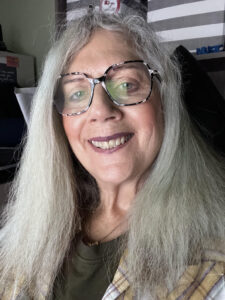 Hello dear friends (that is why I joined, to make new friends).
I hate the word/label of widow or widower the connation is my mind is some sad and lonely that has stopped living despite the fact they are still breathing on their own, and their heart is beating steadily in rhythm.
My husband Richard died suddenly 9 weeks ago. He was sick for 48 hours and wham, diagnosed with COVID and pneumonia he was hit hard, neither one of us suspected. On day two he went into cardiac arrest and although CODE BLUE got his heart beating he was slowly on his journey into eternity.
I am still in shock, married just short of 42 years and now I am searching for life (which I plan to live for the two of us).
I am actively working as a podcaster and blogging my daily journals to help me through the challenges and opportunities that are on my path. I also am a certified Life Coach and my service to others is also a way to help myself.
Today I met with a new friend I connected with through The Ethels. We sat and talked for about 2 hours, and she told me about this group, and I came home and joined-up. I live in the Macedonia area and although I venture North, East, South and West I hate night driving and highway driving (although I will drive the highway).
I am hoping to meet a community of people. I have no family in the area; my sons live in Columbus and Chicago and my closest family live in the Detroit area and the Capital area of NY. I do have a handful of married friends in the area, but I am moving into that new dimension of being a SOLO person who would like to find my place on this journey.
Thank you for including me – hope to meet you soon.
22 March – My Sunday –
This morning I did a thing – I called a friend, a male friend who not only has known me most of my life, but he also became a friend of Rich’s. Distance (by miles) kept us physically apart and difficulty in hearing on the phone gave me reasons not to call. But this morning as I was writing about what Sunday morning has meant to me I thought about Dennis and realized I wanted to talk to him, so the thing I did was CALL HIM.
If you read my blog on 3/19/26 Keep the light on https://newclevelandradio.net/daily-comments-2026/ – you will note that my primitive mind was providing me with signals that made me uncomfortable. I was afraid talking to my male friends was cheating on Rich or in some way indicating I was moving on. Well, I am but not in the way my mind was leading me…I am doing what helps me live fully and sharing life with Dennis on the phone or in the future over a meal foes not diminish my love for Rich.
It felt good to talk to a friend who knew me as an awkward pre-teen and teenager. If felt good to talk to a friend who knows me as a mom, wife, and friend. It felt good to know that even silence didn’t dissolve our relationship. And it’s OK to feel good.
Dennis also reminded me of my own words we all grieve differently and we all choose to live differently. Different is good because we get to learn about things and see things that maybe we would have passed by in life if not for the people we meet along the way.
After talking with Dennis, I was pumped and I was about to go for a walk but instead cleaned out my flower beds in the front part of condo. I truly don’t have gardening tools but with disposal rubber gloves on, a broom and a snow shovel I used my hands and the broom to ‘rake’ out all the leaves and debris as well as my hands. It took about an hour of sweeping, bending and shoveling up the mounds of twins, leaves and other things that collected in the beds since the fall.
Although I live in a condo and our grounds are maintained by a service they don’t clean out our flower beds and I just couldn’t stand looking at all the junk. I can see my Hosta’s coming in and that means it is Spring and I am so excited. I know I have to take care of my back patio and I would like to start on that soon so it looks nice for the celebration of Life next month.
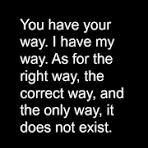 21 March 2026 – The First Day of Spring… and the First Day of the Rest of Our Lives
It’s officially Spring in the northern hemisphere.
Does it look like Spring?
Does it feel like Spring?
If you’re anything like me, you’ve been waiting for this day for months — craving the symbolism, the shift, the promise of something new. And yet, when I look outside, it doesn’t look much different from yesterday. Or the day before.
But it is different.
It’s different because it’s today — the first day of the rest of your life, and mine.
As I write this, I’m listening to a Mel Robbins podcast. She talks fast, she talks straight, and she has a way of jolting you awake. This episode is called The Life Admin Day. She isn’t talking about grief directly, but in a way she is — because grief is anything that weighs us down, creates anxiety, stirs sadness, or leaves us feeling stuck. And those emotions can freeze us in place.
I’m someone who keeps lists in my head. Endless lists. And then I get frustrated when I see everything I need to do… and realize I’m not doing any of it.
Why?
Because like so many of us, I wait to “feel better” before I act. Meanwhile, the waiting digs the hole deeper.
But listening to Mel this morning, I felt something shift. Even as a lifelong doer — an over-doer, really — I realized I can set myself up for success if I slow down, listen, and build the right structure around myself.
Mel is smart. But so are you. You have wisdom inside you, too. Sometimes you just need someone else’s voice to help you unlock your own.
So let me ask you something gently, without judgment — because I understand grief in my bones:
Do you like how you feel right now?
If your spouse or loved one could return for just one hour today, would you want them to see you as you are in this moment?
Would you want to spend part of that precious hour trying to “fix” yourself so you could show them joy instead of sorrow?
Every morning, I think about how Rich would want me to show up.
If he walked in today, I wouldn’t want him to find me crying again, or lonely still, or drowning in the chaos of a life that feels broken because he died. I know he didn’t want to die. I know he didn’t know how sick he was. If he had any say in it, he would still be here.
We talked about death often — in the car, during a song, in those spontaneous moments when truth spills out. Those conversations remind me of what he expected from me, and how I want to live for him. If our roles were reversed, I wouldn’t want him glued to MeTV for 24 hours a day. That wouldn’t be living.
So, I’ve created a mindset: I choose to live.
And when I feel myself slipping down the rabbit hole, I climb out. Sometimes with journaling. Sometimes with Netflix. Sometimes with a podcast, a walk, a bike ride, an errand, or a good purge of a closet or drawer.
It’s all about showing up for yourself — and feeling even a small sense of success.
I haven’t created a full “Admin Day,” but I have created Admin Hours. Little pockets of time that help me breathe again.
Suggestions for Admin Hours While Grieving
🌤️ Call Time
Mel recommends making important calls early in the day. These are the calls we avoid — the ones that sit heavy on our shoulders.
- Social Security — to check on possible benefits
- Life insurance companies — for payouts and to stop billing
- Utility companies — to update names or reduce costs
- Doctors — for your appointments or your family’s
- A handyman — for smoke detectors, light bulbs, and small repairs
- This is not the time for social calls. This is the time for the calls you “never have time for.”
🚗 Errands
Not wandering. Not drifting. Intentional errands.
- Drop off recycling or donations — clear the clutter that adds to grief
- Mail the letters piling up by the door
- Return packages to UPS or FedEx — reclaim your space and your refunds
- Pick up dry cleaning that’s been waiting for months
- Return casserole dishes — not for a visit, but schedule a visit while you’re there
📞 Phone Call Hour
Set aside time to call the people you’ve been avoiding — not because you don’t love them, but because your heart and brain haven’t been aligned.
I’ve avoided people too. Sometimes because I wasn’t ready. Sometimes because I knew it wasn’t the right moment. But recently I asked myself, “How would I feel if I were them?”
I didn’t like the answer.
So I’m making those calls.
Weekends: The Hardest Time to Be Alone
Rich and I weren’t always busy on weekends, but without him, the quiet feels louder. For nine weeks, I avoided calling friends or family on weekends because I assumed they were out having fun while I sat here feeling alone.
That changes today — Saturday, March 21st, the first full day of Spring.
Here’s my new weekend plan:
- Drop off donations — it may be busy, but busy means people, and people mean connection
- Go to the bank — indoor banking equals human contact
- Make call-backs — if they’re out, the ball is in their court
- Treat myself — coffee, lunch, dinner, with someone or solo
- Go for a walk — let nature remind me I’m still alive
- Look for local festivals or gatherings — low-cost ways to be surrounded by life
Weekends will be my time to live.
And if I’m open to friendship, I’ll meet others walking this same path.
Tears will still come. The lump in the throat will still rise. The thought “I can’t do this alone” will still whisper.
So I’ll take Rich’s energy with me.
At a classic car show, I’ll hear his voice.
At a photo exhibit, I’ll hear his voice.
In a garden, I’ll hear beauty — and that will be him, telling me to enjoy my day.
Admin Hours Are My Way Forward
A little structure.
A little intention.
A little courage.
These things help release the anxiety and make room for life again.
My boys deserve that.
My family deserves that.
My friends deserve that.
But most of all — I do.
 20 March 2026 – Do you remember how, when we were growing up, Fridays felt like freedom? School or work would end, and we had two whole nights and two whole days to imagine fun. But for some of us, fun wasn’t always easy to find.
I didn’t have extra spending money, and hanging out at the mall wasn’t something my parents approved of. Meanwhile, my friends spent their Saturdays at Kresge’s or Woolworths, buying makeup, sipping cherry Cokes, sharing fries, and trying on clothes they’d convince their mothers to buy. They’d show up on Monday in the cutest new outfits, glowing with excitement.
My Saturdays were different. I spent a lot of them searching for someone to spend time with, and by late afternoon, loneliness often settled in.
In high school, I was every guy’s “best friend,” the one who helped them get dates with other girls. My favorite moments were the Saturday night mixers, hoping someone might ask me to dance. More often than not, I stood on the sidelines, watching life swirl around me.
After my divorce, I learned to be more assertive, less lonely. And now, after 42 years with Rich, I find myself navigating that terrain again — but with a wiser, gentler heart.
Socializing has changed. Going out is expensive. Choosing a place to meet can feel like a negotiation — distance, dietary needs, noise levels, hours of operation. And many public spaces are so loud that real conversation becomes a challenge, especially for someone like me who wears hearing aids.
My son recently went to a Singles Mingle event, not to “meet someone,” but simply to connect. Yet even there, one person dominated the room, turning it into a one‑man show. Others noticed it too. It’s a reminder that loneliness isn’t just a widow’s experience — it touches people of every age.
But here’s where I stand:
I refuse to let loneliness define this chapter of my life.
I will always love and miss my husband, but that doesn’t mean I can’t meet new people, share time, or enjoy simple moments — at the gym, by the pool, over coffee, or during a meal.
Not everything has to cost money. We can find public spaces to share time and presence. And while I’m not ready to open my home until trust is built, I’m also not closing myself off.
This week I have two outings — one on Monday, one on Thursday. Going out doesn’t diminish the love or commitment I had with Rich. If anything, it honors him. He would want me to find joy where I can. A cup of coffee or a lunch date may or may not turn into new friendships, but it’s a beginning.
To the many women I’ve met online, I gently ask:
What is holding you back?
 20 March 2026 –SPRING is Bringing me Joy -Today feels heavy with the awareness that so many are grieving at once — a friend losing her husband, another saying goodbye to her mother, and yet another mourning her 102‑year‑old mother‑in‑law, a tiny force of nature who lived fully until the end. Loss is everywhere right now, and it echoes inside me too — the sadness, the emptiness, the ache that settles into the quiet moments.
And yet this morning I heard something that stopped me in my tracks:
If not for the love we lived, the joy we shared, and the life we built, we would never know grief.
Grief is the shadow cast by love. It can still lead us toward new joy, new meaning, new experiences — if we don’t let their departure pull us under. Instead, we can choose to carry their energy forward with every step we take.
My relationship with grief spans 76 years. At 18, when my parents told me we were moving from Minnesota back to Michigan just months before graduation, I shattered. I cried, I pleaded, I felt my world collapse. I had no voice, no choice, and everything I loved felt ripped away. That was grief too — the grief of losing a life I thought I’d get to keep. It shaped me, and though it still tugs at me, I’ve learned how not to fall back into that old rabbit hole.
At 9, I lost my uncle and my Baube within three months. I didn’t understand death, but I understood the shift in my family — the sadness, the quiet, the way the air changed. I also saw resilience, comfort, and the way life kept blooming around us. Their memories are etched into me, and even now, thinking of them brings warmth, not just sorrow.
Grief never disappears. It softens, reshapes, evolves as we evolve. I am not the girl I was at 9 or 18. I am not the woman I was at 47 when my father‑in‑law died after only five years in my life — and yet he has been with me for 44 years in memory, influence, and love. That’s how grief works: it becomes part of our internal landscape.
So today, if you are grieving, try to find one sliver of joy. It might be a memory that surfaces unexpectedly. It might be something brand new — sunlight warming your face, a bird calling out, a baby’s laugh, or that one thing you’ve been searching for suddenly appearing right where you needed it.
I may not cry buckets or retreat from the world, but I am hurting. And still, I am learning — slowly, intentionally — to turn that hurt into something powerful. Something life‑giving. Something that honors the love that came before.
What part of your grief today feels ready to soften, even just a little?
 19 March 2026 –Navigating life is challenging, but it is absolutely doable when you commit to moving forward. Every morning I wake up to the same truth: this is my life now. I can sit in disbelief and cry, or I can meet each obstacle with determination. Some obstacles are visible, others live quietly beneath the surface, which is why mindfulness matters. I am choosing—every day—to face what comes and keep going.
Not everyone can spring back into motion after losing the love of their life. But Rich and I talked about this long before I ever imagined walking this path alone. We promised each other that our love and commitment wouldn’t end with loss. We agreed that survival meant continuing to evolve, not shrinking. And now I understand it’s not just about survival. It’s about finding a new form of happiness.
But first, you have to ask yourself: What makes you happy?
There was a time when I couldn’t answer that question. In the summer of 2012, after eight years as a successful enrollment rep at a private college, I returned from a medical leave to a workplace that no longer felt like mine. I tried to adjust, but each day I felt more lost. I remember coming home and telling Rich I was unhappy—and even saying I loved him but didn’t like him. That moment shook both of us.
When he asked what he could do to help, my answer was simple: nothing. I had to do it myself. I just didn’t know how. My unhappiness was making me physically ill, and it wasn’t until my doctor refused to let me leave his office until I broke down that I finally confronted the truth.
What I discovered was that my unhappiness had nothing to do with Rich, my sons, or anyone I loved. The two‑month medical leave had freed me from a toxic work environment I didn’t recognize as toxic until I returned. That toxicity had seeped into my soul. When the college and I parted ways, I finally found the tools—through therapy, coaching, and physical healing—to take responsibility for my happiness and learn how to create it.
Happiness doesn’t just happen. Yes, a baby’s smile or a burst of sunshine can lift us, but true happiness requires digging deep and finding the spark that lights your own smile.
After leaving the college, I began writing and blogging professionally. I let my creativity flow into the pages of a large senior community. Visiting the facilities, hearing residents respond to my words, filled the emptiness that once made me tell Rich I loved him but didn’t like him. I could finally say—with pride—that I loved him and liked him. He was my nest buddy.
Now, as a widow, I hear from many women walking this same path. Some are new to it, like me. Others have been wandering in loneliness for years because they never developed the tools to reclaim happiness. There’s a belief out there that grief is measured by tears and isolation. If that’s true, then something must be wrong with me. I’ve shed tears, yes, but tears alone won’t serve me, or Rich, or anyone he loved.
I talk to him—out loud, in my thoughts, even now as I write this. After 42 years together, I know exactly what he would want for me: to keep moving. And today, I did. I got myself to a doctor’s appointment. I drove the freeway, which I despise. I succeeded. Afterward, I even stopped at a grocery store nearby—something Rich would have suggested. Walking in was hard, but within minutes I used my tools: breathing, grounding, staying in the now instead of the past.
Breathing sounds simple, but mindful breathing is different. At first, I felt like I was hyperventilating—my chest and throat tight. So, I inhaled deeply through my nose, held it, and released it slowly. I felt cleansed. I walked the aisles, found specialty items, and reclaimed a small piece of myself.
Driving home, I took a different freeway route. I adjusted to the traffic and the trucks that usually terrify me. No panic this time—still not enjoyable, but manageable. Freeway driving doesn’t make me happy, but being out in the world does. That’s what I want to share with anyone struggling: you can face your challenges and find ways to overcome them.
Yes, we would all be happier if our spouses were still alive and well. But they aren’t. The challenge now is to confront the sadness, commit to the journey, and choose the kind of contentment that can grow into happiness and joy.
 19 March 2026 – Keep the Light On -I think—no, I know—there is light at the end of this tunnel. Grief is heavy enough on its own, and these are difficult times for all of us. Sometimes the world feels so dark that even when something good happens, we’re too overwhelmed to notice. Today, I want to pause and acknowledge the good people who are helping me see the light again.
Amy and Sherri reached out early, offering comfort as I began walking this unfamiliar path. Now Amy is walking a similar one, and my heart aches for her. Kristy remains one of my steady, judgment‑free places to land. Even when I hear myself saying things that feel “stupid,” she listens with an open heart and gives me space to breathe.
Alison has been navigating her own grief, and recently it has taken on a new, painful shape. Even so, she continues to show up—for me, for her clients, and for her 100‑year‑old mother‑in‑law. Her strength humbles me.
Dennis keeps reaching out even though I can’t bring myself to pick up the phone. I introduced him to Rich more than ten years ago, and if we had all lived in the same city, I might have had competition. When those two were together, they were loud, obnoxious, and full of joy. I hold those memories close. I’m not ready to talk yet, but I love that he understands and keeps finding ways to let me know he’s there.
My niece Rachael—who I love like a daughter—is still trying to absorb the loss of her dad, my brother Joel. The grief is fresh for both of us, and in some ways still unresolved. We hold each other up even as other forces make it hard to move forward the way we want to.
My sons have been wonderful. They listen to me repeat myself—because that’s what mothers do—and they meet me with patience and unconditional love.
My childhood friend Cheryl follows my posts faithfully and offers small, meaningful nuggets of support. She has walked a similar path, and her life’s work in hospice makes her presence even more special.
Yesterday, I received a beautiful message from Connie. Some friendships don’t require constant contact; when they surface, they’re real and steady. Knowing she is there when I’m ready made me feel less alone.
Another childhood friend, Gary, reached out too. Our families were close growing up, and our mothers tried to nudge us toward each other—something neither of us wanted at the time. Over the years, through friends and Facebook, we stayed connected. Yesterday he sensed I needed a new pair of ears. He reached out; I pulled away. For a moment, I felt like connecting with him meant I was somehow being unfaithful to Rich. I had to sit with that feeling and even speak it out loud to Rich’s energy in this home. I’m almost ready to talk. We have history, stories, and plenty to kibitz about.
If you had told me months ago that I had a community, I would have denied it. My days were consumed with building my business, caring for Rich, supporting Alex, being a parent and friend to Steve, and pretending I was caring for myself somewhere in the middle.
But in these last eight weeks, I have been caring for myself. I’m eating, maintaining my health, keeping my home neat—95% of the time, anyway—and taking baby steps forward. I’m listening to my body, my soul, and my mind. When something doesn’t feel right, I send it out to the universe (and to Rich) and let myself slow down long enough to find clarity.
I’ve caught myself dozing at the computer from lack of sleep, and instead of pushing through, I’ve allowed myself to rest. This morning, waking at 3:45 a.m., I felt something shift. I saw that light again. I know I will find my way through this darkness because so many of you are shining your light toward me.
Please—keep the light on.
 18 March 2026 – Understand -People often say that when you lose someone, everyone comes out of the woodwork to offer condolences—and then, after the funeral or what some call the “grief period” (which doesn’t actually exist), many of those caring voices fade back into their own lives. I’ve never been someone who disappears, but I’ve learned that some people are more interested in hearing about my pain than in simply spending time with me over coffee, lunch, or a quiet conversation.
Today, someone messaged me to reassure me she would never be that person. When I’m ready for coffee, lunch, or just a chat, she’ll be there. That meant more than she knows.
Another friend from my childhood reached out after reading my posts. He sensed I needed to talk—and he was right. But I hesitated. I didn’t want to sound like I was whining or slipping into the “woe is me” version of grief I refuse to become, even though today it would have been easy. Instead, I asked for a little grace and told him I’d call in a day or two, once my grief brain settled. It may sound silly, but part of me felt like I was somehow being unfaithful to Rich, even though it’s just a phone call and he lives three hours away.
There’s another male friend—also a friend of Rich’s—whom I’ve been avoiding for the same reason. The logic is irrational, and I know Rich would be laughing at me. If the roles were reversed, he’d probably already be on a date, not just a phone call. At least that’s what he always told me.
Today, one of my online friends lost her husband. I’ve been following her journey for weeks, feeling both sympathy and deep empathy. She, like me, found real love—the kind that includes good days, bad days, and the “what the hell” days, but always ends with hugs, kisses, and “I love you.” Through her writing, I felt connected to her story, and her loss hit close to home. I wanted to hug her, to sit beside her, but she’s hours away, and I imagine she’s surrounded by people who love her. Amy, if you’re reading this, I’m sending you a share of my heart.
Yesterday, I reached out to the local Ethel’s. If you’re a woman of a certain age, you probably know who they are. I connected with a local chapter because I need to find my circle again. I’m meeting two new women next week, pushing myself out of my comfort zone. I hate first meetings. I’m trying to convince myself that this isn’t a “first”—that it’s my second, third, or hundredth time—just to ease the anxiety.
If you’re reading this and you struggle with meeting new people too, I’d love to know what helps you get through that awkward first step. And yes, feel free to play life coach—I could use a little coaching right now.
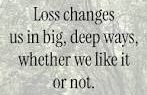 17 March 2026 –WIDOW STATS – With Compassion I am Writing…It’s with a heavy heart that I write today’s journal entry. I know I’m not alone—far from it—but the feeling of aloneness can still settle in like a shadow. According to U.S. statistics, 2,800 women become widows every single day, and losing a spouse is considered the most stressful life event a person can endure. More than 70% of married women will experience widowhood, and men, despite their strength, are even more vulnerable to the “widowhood effect,” often relying on their wives not only for love but for the instinctive care we provide.
Women
We, as women, often become the emotional caretakers of our families. When our husbands die, it can feel as though our purpose has been ripped away. I am only eight weeks into this new identity—one I never wanted and one I still resist. In these eight weeks, I’ve watched close friends begin their own journeys through illness, palliative care, and hospice. My path was short compared to some who walk this road for months or years, but the grief begins long before the final breath. It begins the moment hope and fear start to coexist.
My Husband
I witnessed my husband go into cardiac arrest. I had stepped out of the room while the nurses tried to help him breathe through the mucus he was choking on. When they brought me back, everything changed. He sat upright in bed, stiff, eyes wide open but unseeing. I begged him to stop, to say something, before I was ushered out and the words CODE BLUE echoed behind me. A nurse sat with me, urging me to pray, to hope—but also to call my family. “You don’t want to be alone,” she said. And she was right.
It felt like hours before a doctor came to tell me they had restarted Rich’s heart. He spoke kindly, gently, but I could read the truth in his eyes. Still, I prayed he was wrong.
The ICU
When I finally saw Rich in the ICU, Alex had arrived after driving through a blinding snowstorm. Steve was preparing to leave Chicago at dawn. As Alex and I walked toward Rich’s room, my mind began racing with thoughts I wasn’t ready to face. How could a sore throat on Saturday become COVID, pneumonia, and cardiac arrest by Monday?
The ICU is a world of its own—machines breathing for him, IVs delivering medications I couldn’t pronounce. He looked like Rich, but he didn’t look like Rich. Still, we prayed, we hoped, we bargained. We played his favorite MeTV shows, talked to him, encouraged him, even yelled at him. We were not ready.
The Days I barely Remember
By day five, with no sedation and minimal neurological response, hospice was recommended. Even then, I held onto hope. On day six, we prepared for the ventilator to be removed. They told us he might linger for days, weeks, even months. We sat with him, watched him sleep in that familiar “Richard way,” mouth open, deep in his own world.
A snowstorm kept us away on day seven. I called the nurses and asked them to tell him I loved him.
This I Remember
On day eight—Monday, January 26, 2026—the hospice team called to say they were preparing him for transport. Minutes later, another call came: we needed to return to the hospital. The silence in the car said everything. When we arrived, they had removed the medical equipment, cleaned him, and placed his Guardians cap on his head. He looked peaceful, but the absence of breath was unmistakable. Shock washed over me. I had become one of the 2,800 women that day—a widow, a word I still cannot embrace.
The Circle of Life
Life has a beginning and an end, but I believe that applies only to the physical body. I feel Rich’s energy with me. He left me with strength—real, steady strength—to keep living. His presence gives my sons and me courage to face the hardest moments with hope, prayer, and gratitude. We are okay… and sometimes we’re not. We’re learning to give ourselves grace for both.
Grief doesn’t end. You don’t “get over it.” You learn to carry it differently. The rawness softens, but triggers can bring it roaring back. Still, memories—old and new—can bring joy.
LUCK I HOPED FOR
I was lucky to meet Rich, and even luckier that he chose to spend his life with me. Before him, I didn’t feel whole. He taught me how to love, how to be loved, and how to soften.
My Aching Heart
My heart aches for friends who are now facing the loss of their own spouses. There are no magic words to ease their pain. What we can offer is presence—open hearts, no judgment, and the grace to let them grieve in their own way. Sometimes support is silent; sometimes it’s not. Know your person. Stay with them—not just today, but in the weeks and months ahead.
When a spouse dies, couples we once socialized with often drift away. Please don’t fade from your widowed friends’ lives. We need connection more than ever.
Many of us seek community—grief groups, support circles, places where we can find common ground. That’s often the first step toward healing, not just for ourselves but for the people we meet along the way.
Today is the first day of the rest of our lives. It may feel awful—truly awful—but the sun still rises, the world still turns, and we are still here, breathing, living, and needing one another.
We have a choice.
I choose living.
 16 March 2026 – What Does It Mean to Win? Watching the NCAA playoffs yesterday, I found myself asking what it really means to win. One of my favorite teams, the University of Michigan, had a strong season but struggled in the playoffs and was knocked out by Purdue, 80–72. It was heartbreaking to watch them fight so hard and still fall short. Purdue played with incredible intensity and skill—they earned their win. Michigan, ranked #1 in the conference, lost to a #7 team. But sometimes standings are just numbers.
Life works the same way. We root, we pray, we hope for a certain outcome, and sometimes it simply doesn’t go our way. But if we learn resilience, we can still win at the game of life.
Resilience as a Form of Winning
Resilience is the ability to recover from difficulty, to stand tall after a setback, to move forward even when the path is uneven. We don’t return to who we were before—we evolve. In any game, there is one winner and one non‑winner. I don’t like the word loser; it carries too much shame. Winning is not the whole story.
My brother Joel, who spent his life in the music industry, understood this better than most. He never bragged about his accomplishments, so when he passed away in September, I was stunned to learn he had earned seven Grammy Awards and eleven nominations. Joel always said that winning an award simply meant you had to exceed your best the next time. His goal wasn’t trophies—it was creating his passion.
Sometimes winning is losing, and sometimes losing is winning.
When Losing Leads to Something Better
When I was a teenager, I desperately wanted to date a certain boy. We eventually started seeing each other during my senior year. At the same time, my father received a fantastic job offer, which meant moving from Minnesota back to Michigan. My dad “won” the job, and I “lost” the boy I thought I loved.
But that move gave me real friendships, a fresh start, and a chance to grow. I still think of that boy from 1968, but I know now that the move was a win for my life.
If we take time to reflect, most of us can find moments where what felt like a loss eventually became a win.
Learning Through Mistakes
There was a time when admitting mistakes felt impossible. I think many of us would rather blame circumstances than face what we see as failure.
I graduated high school in 1968 and planned to attend Eastern Michigan University. But when I saw my dorm assignment, fear took over. I backed out and enrolled in community college instead. That semester was a wake‑up call—I struggled academically and took on too much at home. In January 1969, I transferred to Eastern, hoping being among peers would help. But you don’t learn by osmosis. I was still failing.
So, I changed my classes to subjects I wanted to take, not just what I had to take. After two years, I earned an associate’s degree in Speech Communications. My parents saw it as a detour from their dream of me becoming a teacher and a wife. Years later, I learned they weren’t disappointed—they were worried about my future. They didn’t think I’d become the first Jane Pauley.
Over time, I learned to take the good with the bad and make something sweet out of it.
Winning Through Love, Loss, and Forgiveness
From my first marriage, I have my son Steve—a true product of love. After the divorce, there was animosity, but eventually I forgave myself and forgave the past. Both of us found long‑lasting love with others. We both won.
My marriage to Richard wasn’t perfect, but it was extraordinary. He taught me how to love myself and how to forgive. We bickered, we disagreed, but we loved with intensity. I still feel that warmth when I think of him. Alex is the best of both of us.
Eight weeks ago, Rich got sick. Seven weeks ago, he died. But his energy is everywhere. His love gives me the will to live fully for him.
Looking Back
I believe the radiation that cured his prostate cancer left lingering issues. The loss of bladder control took a toll on him physically and emotionally. The medications didn’t work consistently, and the interstem device brought complications. Just days before he became ill, he was meeting with urology again. His humor about the situation was a cover—one I didn’t fully see at the time.
Rich was resilient in his own way. His love of laughter showed up in the shows he watched and his favorite nights out at the Comedy Club.
On April 25th, when we celebrate his life, I hope we can all share a joke or two. Dad jokes would be perfect.
Rich asked that this prayer be read at his celebration:
The Clowns Prayer
As I stumble through this life,
help me to create more laughter than tears,
dispense more happiness than gloom,
spread more cheer than despair.
Never let me become so indifferent
that I will fail to see the wonder
in the eyes of a child
or the twinkle in the eyes of the aged.
Never let me forget that my total effort
is to cheer people, make them happy
and forget – at least momentarily –
all the unpleasantness in their lives.
And, in my final moment,
may I hear You whisper:
‘When you made My people smile,
you made Me smile.’
 15 March 2026 – A day in the life of a widow—It can be very lonely!
When a spouse gets sick and or dies everyone calls to see what they can do for you. Most of those calls are made out of politeness they are hoping you say ‘nothing’, and they can go back to their lives. I know I was one of those people
But now I am the widow, and my family does not live in the same area as I do so I am typically alone and after spending 42 years with my husband being alone has some advantages but mostly disadvantages.
I am not looking for a relationship, but I am looking for friends not just to talk to on the phone but to spend time together, have a coffee or tea, maybe have a meal together. Right now, my meals are typically during the morning news, the afternoon news and the evening news and I am getting indigestion watch the news with my meals. (LOL)
I know I am not the only one feeling alone and I am not ready or considering moving to an adult community. I am capable of remaining in my home, working independently, and finding time to spend with friends old and new.
There is no timeline in grieving that states I can’t go out. Yes, in some religious practices that may be the situation, but not for me.
Weekends are the toughest – during the week I have my podcasting, my coaching and my writing that keeps me busy and connects me with other humans. However, the weekends I find I am talking to myself, so far I haven’t answered but I am afraid that may come soon.
I know from being married for 42 years that weekends were spent with my husband especially if we were both working during the week. I didn’t think of my single, widowed or widowers friends that were feeling as I am now. I assumed that they had their friends and circle and maybe they did but in the beginning there is only void.
As a life coach and the producer of “Find Your Way” a podcast on grief, I should have been more prepared for this time in my live, but I am no more prepared for it now than I was when I got divorced, 46 years ago. I remember feeling alone and abandon until I went out and created new circle of friends. Sadly, that is what I need to do now and it’s more difficult at 76 than it was at 30 – as a part-time single mom I was able to meet other moms through my son and those moms introduced me to other single individuals and I made friends and eventually met Rich through one of those friends.
Meeting friends 46 years ago, the times were different and I felt safer. Today meeting up needs to be public and safe, not sharing addressees or inviting would-be-friends into my home. That will time as I learn how to cultivate these new friendships.
I also understanding losing a spouse can happen at any age so the people I meet online or in a local support group may vary in age, cultural backgrounds, education, personal likes that may or may not make them a true connection for me or them. The road to tomorrow is very bumpy and I know I must navigate with my eyes open. Just wanting to make friends is not enough, it will take time and work!
I am hoping to do a meet-up at the local Panera in April – I am hoping that it may be a place where those of us are interested in making friends may meet up regularly…
So, if you are feeling alone and lonely reach out to me, your neighbors or find yourself a connection on Facebook…we may have met there as well.
 15 March 2026 – Smile – We are all going through something—some of it good, some of it not so good. It’s easy to fall into the belief that we’re the only ones hurting, grieving, or wrestling with despair. But the truth is that struggle is woven into our human story.
From the moment the serpent coaxed Eve into taking that bite of the beautiful, forbidden apple, we learned that good and bad walk side by side. Our work, as humans, is to lessen the bad where we can and to build our own version of a peaceful, loving community—our own Garden of Eden.
Life isn’t about perfection. It’s about learning how to turn lemons into lemonade—and then straining out the seeds and planting them so something new can grow.
Every day I feel twinges of fear and loneliness, but I’ve learned not to let them take root. I had those same fears even when my best buddy, my husband Richard, was sitting right beside me. Life wasn’t perfect, but we kept planting lemon seeds, and from them grew our love, our friendship, and our life together.
Lemons may be sour, but the plant produces a fragrant white-and-purple bloom—proof that beauty can grow from anything. Those blossoms contain both male and female parts; they self‑pollinate, they keep producing, they keep living. And so must we.
I look for beauty every single day.
I’ve lived with migraines for 58 years. I still remember one attack in college—my boyfriend rushed me to the ER, and after hours on a gurney I was given a migraine cocktail that knocked me out cold. He practically carried me back to my dorm, where I slept for two days. When I finally woke up, groggy but pain‑free, I was overwhelmed with gratitude for the simple gift of a beautiful day.
The migraines continued, and I’ve sought treatment ever since. But I cherish the days I’m headache‑free, and even on the hard days I remind myself: this pain is not life‑threatening. That perspective helps me find the beauty in front of me.
Beauty hides in the corners of life. We just have to choose to look for it.
This past week brought deep moments of sadness, but I kept looking ahead and around the pain, trusting that I would recover. Even in our darkest days, there is always a smile tucked somewhere inside us.
“Memories light the corners of my mind—
Misty water‑colored memories of the way we were.”
—from The Way We Were
“Daylight
I must wait for the sunrise
I must think of a new life
And I mustn’t give in…”
—“Memory,” from CATS
These lyrics, made famous by Barbra Streisand, speak to me. I hope they bring you comfort too.
We cannot live in the past, but our memories can wrap us in love and help us step into the future. We must keep living with every breath we take.
When my husband became ill and lay in a coma for a week, we watched him breathe on his own as they weaned him off the ventilator. We saw hope. We prayed. We did everything we could to energize him back to health. He fought—hard—even with so little life left in his body. And when it became too difficult, we gave him the thumbs‑up that we would be sad, but we would be okay if he needed to leave us.
These last couple of weeks have shown us that Rich is still here—his energy, our memories. When we call on him, we may not see or hear him, but we get a sign: a song, a TV show he loved, or suddenly knowing how to do something he always handled.
The ZIPS
And if you’re an Akron Zips fan, you might want to thank Rich for the win. Alex and Rich had plans to cheer them through the MAC tournament and beyond. Last night, as they advanced again, Alex felt his dad rubbing his head. Alex was always Rich’s lucky charm.
 14 March 2026 – Don’t ever ask what else can go wrong—because the universe seems to take it as a challenge.
This morning, while I was washing up, I heard that unmistakable beep…beep. Alex had just changed all the smoke alarm batteries two weeks ago, so I stood there thinking, Really? Today?
I pulled out my step stool, but the moment I looked up at the ceiling I knew better. I wasn’t steady enough to climb, and I wasn’t going to risk a fall. I thought about calling my handyman, but it’s Saturday and I didn’t want to interrupt his family time. So, I called the non-emergency line for the fire department. Two kind firefighters came out, found the culprit, and then informed me that every single one of my smoke detectors was at the end of its life. I had no idea they expire every 8–10 years. Batteries aren’t enough—eventually the whole unit needs replacing.
As soon as they left, I drove to Lowe’s and bought four new detectors. Terry will install them next week. [If you haven’t checked the expiration dates on your smoke or carbon monoxide detectors, please do. I replaced my CO detectors recently, but it never occurred to me to check the smoke alarms too.]
Since Rich died, it feels like everything in this house has chosen this moment to break. It used to be so easy to call out, “Hey Rich, this isn’t working—can you fix it?” Now I have to rely on others when something is beyond my physical ability. But I’m also doing things I once would have handed off to him—resetting the internet, troubleshooting with support, handling the little crises that come with home ownership.
What surprises me most is that I don’t panic. I feel this calmness that doesn’t feel like the old me. It’s as if Rich is steadying me in a way he never could when he was alive. I like the feeling, even though it’s unfamiliar. My insides may be buzzing, but on the outside I’m composed, capable, and moving forward.
Grief makes you want an exit ramp—some way off this road. But where would I go? And am I even ready? I’m tired of telling the story of Rich’s death. I wonder when my mind will make space for something else.
 14 March 2026 – WIND
Yesterday stirred a whirlwind of emotions within me—some toxic, which I had to confront and gently release, turning them into harmless sensations.
Let me share my Grief Journey, a path that enlightens me daily, revealing more about myself and others as I open up.
This journey isn’t a solitary walk; life continues unfolding even as I focus on taking each next step.
Warning signs often flash along the way: “Danger, Danger Will Robinson /Karen.”
I keep encountering the yield sign, reminding me to pause and place my thoughts and feelings where they might help others find their way. (I’m not referring to my Coaching Clients—I know how to separate their pain from mine.) Yet, with my sons, family, and friends, as the doer and fixer, I sometimes shift from Yield to a sudden STOP! Thankfully, my airbag hasn’t deployed yet.
When mindful, I can recover from these jolts and keep moving forward. Still, the flashing Danger Sign grows more noticeable.
Sometimes, I find myself going the wrong way down a One-Way street. When I feel secure and brave, I keep pace until I find my way back to a Two-Way Road.
I set my GPS to seek Kindness, Peace, Love, Self-Care, and, of course, Richard. Though I haven’t found Richard, I believe he’s the wind beneath my wings, teaching me to fly—even if I’m terrified of heights.
Yesterday I tested myself with the storm’s high winds. One of my major phobias is Ancraophobia—the irrational fear of wind. It doesn’t feel irrational when witnessing the devastation high winds cause. Today, I learned someone I know personally was affected by the storm’s damage. As the winds howled outside, I listened but chose to ignore them—except when they knocked out my internet, forcing me to reboot the signal about a dozen times. Thank you, Rich, for teaching me that simple trick and keeping me calm each time I felt cut off from my lifeline.
Because of the storm damage and uncertainty about what else might be affected, the luncheon I planned for today has been postponed—Mother Nature, did you hear that? Disappointment seeped into my veins, and for a few minutes, grief overwhelmed me. I felt abandoned and alone. But then I saw the Yield Sign, then the Slow Sign, and realized it’s just a temporary Detour pointing toward the future.
This morning, I woke at 4 a.m., went back to sleep until 9, and though still tired, I started singing “You Are My Sunshine” to Rich. It’s usually my go-to song with Alex, but I’ve sung it to both my boys because they truly are my sunshine. Starting my day on that positive note—even if off-key—helped me move forward.
I’m learning the difference between being alone and loneliness. I may live alone and face some steps solo, but I can ease loneliness by reaching out and talking to people. Sometimes that means texting (though please, don’t text while walking—stop and breathe before sending your message. “Danger, Danger Will Robinson /Karen.”)
There are many places to be among people, but simply being in a group doesn’t erase loneliness. You need to be truly present in that moment. That’s how I intentionally formed a lifelong friendship within a group of women.
The road I travel changed drastically on January 18th, the day I took Rich to the ER. I thought he’d be diagnosed, put on medication, and come home, where I’d care for him a few days before life returned to normal. I never expected the reality I now live. But I am living—I am a survivor—and my mission on earth continues to evolve.
If I’ve learned anything, it’s that I must be the navigator of my journey. Yet, it’s okay to ask for guidance and accept DETOUR signs that lead us where we need to go—because wherever we are now, the road ahead is still life unfolding.
 13 March 2026 –I have been a GO BLUE fan for the majority of my life. Many of my family members attended the U of M including my first husband and my oldest son. As an Ohio boy Rich put up with my GO BLUE cheers when it came to college sports he was a ZIPS fan.
My youngest son, the sports guru of the family, now works for the Ohio Sports Teams and so I have had to balance my allegiance as they pay him a living wage. But right now, I am watch the NCAA playoffs and Michigan is playing Ohio State and I’m questioning my loyalty. Michigan has a higher percentage of winning than OSU, but it is a close game in the first half. I should turn it off and wait for the last five minutes of the game when anything can happen.
I didn’t like sports while I was growing up and my father and brother’s commanded the TV when any sport was televised including boxing, which was my Zayde’s favorite.
However, when I first moved to the Cleveland area Rich took me a Cleveland Indians game back in the early 80s when they were not even a contender, but I got so into the game you would have thought I had stock in the team. I became and Indians/Guardians fan and continue to be today.
I still root for my Detroit Lions when it comes to Football, the Browns have not showed any promise in years! The Cavaliers caught my attention with LeBron, but my mom used to supply her famous chocolate chip cooks to the Detroit Pistons. So, I am torn.
When it comes to sports I prefer the WNBA over the NBA, the women play a more aggressive and fun game to watch, at least that’s my opinion. I also prefer college football to the NFL, it seems once the players are in the NFL they go downhill fast either in their playing skills or their humanity (if I need to explain you must not be a sports fan).
And now here I am sitting in my office watching this basketball game and I am nervous – I want them both to win but that’s not possible, only one will advance and my sons are betting against each other but will shake hands and hug when it’s over.
Life is a series of competitions and if we could all look at life in the manner in which my sons cheer on their teams, our world would be a happier, peaceful place.
(Michigan beat Ohio State)
 13 March 2026 – Permission – Today I’m feeling sorry for myself, and I’m giving myself permission. I’m not angry at anyone except Mother Nature, who has been vicious this winter—cold that bites, snow that blinds, ice that traps, wind that howls. And now the power keeps flickering, dragging me through the ritual of resetting modems and clocks. I’m worn thin.
Doing – I’ve been cleaning all day, washing everything from bedding to throw rugs to my winter jacket—the one I refuse to wear again this season. I’m putting it away as an act of defiance. Let the cold come; I’m done surrendering to it
Alone – This is my first weekend truly alone. No plans. No distractions. Just me, the quiet, and the basketball tournaments on TV. The last time I spent a weekend alone, the world outside was frozen solid. I wouldn’t mind the solitude so much if the weather were kind, like last weekend when I walked and felt a hint of spring. But today, the world feels gray, and I feel gray with it.
Weather? – Weather shapes me more than I admit. I bloom in spring and summer—warmth, sunlight, flowers, birdsong, the simple joy of sitting outside with a book and waving to a passing neighbor. I miss that sense of belonging. I miss connection.
A Maze not AMAZED – Grief is a maze, especially when you’ve spent your whole life tending to everyone else’s sorrow before your own. I did it when my niece died in 1968. I did it when my father died. I did it when my mother slipped away in 2016. I did it when Joel died six months ago. Each time, I stepped into the role of supporter, caretaker, steady one. My grief learned to wait quietly in the corner.
Struggles – Now Alex is struggling, and his grief has cracked him open in ways that scare him. His PTSD has been triggered, and as his mother, I feel the old instinct to hold him up. But today, something inside me shouted: What about me?
Help – I even found myself talking to Rich’s ashes, asking him to help our son. The two of them were so alike—stubborn, proud, unwilling to be wrong, yet quietly learning from each other in ways they never admitted. They shared their truths with me, never with each other.
Alex keeps searching for reasons why Rich got sick. We’ll never know. All I can hope is that Rich didn’t suffer, and that he carried our love with him when he left—because he left so much of his love here with us.
My Turn – I told Alex today that I can’t keep carrying everyone. I need time to carry myself. I need to feel the sadness I’ve been postponing for decades. I need to let it move through me.
WHAT IF? – Rich used to joke that if I died first, he’d find a younger woman. When I asked what he’d do with her, he’d grin and say, “Dream of you.” He was never meant to be alone. When we met, it was ‘bashert’—meant to be—for forty‑two years.
MY Thoughts – I want to believe I’m okay being alone with my grief, but days like today make me wonder when I’ll feel like myself again—and who that self even is now.
I didn’t choose widowhood. I would have chosen more years with Rich, my pain in the ass, my partner, my person. So, I sway between understanding and confusion, between acceptance and ache. I know I’ll feel unsettled for a while. Healing isn’t a race; it’s a walk. And when I stumble, I need to let someone offer a hand.
I have the words. I have the tools. But love is what brought me here, and love is what will guide me forward.
 11 March 2026 – Grieving over WAR –This morning I find myself grieving—not only for the loss of my husband, but for humanity itself. I’ve studied enough religion and history, and I’ve lived long enough, to know that hatred and the hunger for power have always fueled violence. But today I keep asking myself the same question: Why? Why do we keep repeating the same patterns that destroy us?
If we could stop judging and hating one another, maybe the world truly could be a better place. Instead, many in my generation look at what’s happening and quietly wonder if we’re witnessing the unraveling of the world as we know it.
Yesterday wasn’t just another tragic headline. One man, by ramming his car into Temple Israel in West Bloomfield, Michigan, terrorized an entire community—and far beyond it—and lost his own life in the process. He was a naturalized U.S. citizen, someone who had met every requirement our country sets for those who want to belong here. And yet he chose to attack a house of worship where young children of many races and religions attend preschool. Thank whatever God you believe in that those children and their teachers were not physically harmed. But emotionally? Mentally? That kind of terror leaves marks we cannot see.
The news reported that his rage was tied to America’s alliance with Israel against Iran. I refuse to turn this into a political debate, but I will say this: not every American—Jewish or otherwise—agrees with the decisions of our current president or the path our country is on. We are not a monolith. We are individuals, each with our own beliefs, fears, and hopes.
I was born and raised in the Detroit area. Even though I haven’t lived there in over 55 years, my heart is still tied to that community—family, friends, colleagues, and countless others who call it home. Some of my own relatives have been members of Temple Israel. But my grief today isn’t only for that congregation. It’s for the insanity of hate that keeps erupting in every corner of our world.
Sometimes I wonder: if the serpent had never tempted Eve, would we be living in peace? Probably not. But the question lingers because it speaks to something deeper—our human capacity to choose. We are not animals driven solely by instinct. We have the privilege of choice. So why do so many choose harm? Why choose to destroy others and yourself in the process?
If God—whichever God one believes in—is the creator and the source of our faith, would He want His children acting out of hatred and violence?
I believe we must stand for peace and unity. That doesn’t mean marching in the streets singing “Kumbaya.” It means something simpler and harder: refusing to destroy lives with opinionated hate. It means allowing me to be me and you to be you, without interference. If I choose to pray in a synagogue, in my home, or out in nature, that is my choice. It harms no one. And when people pray, they pray for peace, love, and humanity—not destruction.
Too many people are walking through life afraid, and fear breeds anger. When anger escalates, innocent people get hurt. Yesterday, another tragedy unfolded on a college campus—Old Dominion University—leaving one dead and two injured, not counting the emotional wounds carried by everyone who witnessed it.
These “small wars” inside our communities are the seeds of the larger wars that devastate nations. Innocent people die in the name of… what? Victory? Power? When everything is destroyed, what exactly do the “winners” win?
I remember living in fear during the Bay of Pigs. Families built bomb shelters. We stocked food. I watched the movie On the Beach and felt terrified that one day I might have to take a pill to end my life before nuclear devastation reached us. Even if we survived in a shelter, what kind of life would be left?
We need to wake up. If we don’t stop destroying one another, that future isn’t as far-fetched as it once seemed.
And yet—here is the part that keeps me going. In the seven-plus weeks since my husband died, I have encountered hundreds, maybe thousands, of people on social media who have shown me nothing but kindness. They didn’t ask my religion or my politics. They simply saw a grieving human being searching for peace. Some prayed for me in languages and traditions far different from my own, and it was beautiful. It reminded me that humanity still exists, and that kindness can grow if we nurture it.
The word humanity comes from the Latin humanitas—human nature, kindness.
What if, instead of only praying for peace, we practiced kindness every single day?
 11 March 2026 –Crazy Day, and I’m Truly Trying to Be OK-Today started with fasting bloodwork at UH—now outsourced to Quest—and what should have been a quick in‑and‑out turned into a 40‑minute wait after signing into a kiosk that seems to operate on hope rather than order. Not the best way to begin a morning.
I had planned to stop at the bank afterward but realized I could handle everything faster from home. So, I went back, took care of the banking, and then headed to BB to finally pay off that account with the ridiculous 29% interest rate. One less unnecessary weight to carry.
Life?- From there, I moved into “life admin” mode—putting all my bills on my calendar so I can see what’s due and when. It’s something I never did with Rich, and that’s a story for another day. I also sat on hold with Spectrum to transfer the account into my name. More utilities to go. T‑Mobile can wait until I catch my breath.
These changes are necessary, but today they felt heavier than usual. Too final. Too real. I’ve made many changes in the house, but nothing so drastic that Rich wouldn’t recognize the home he loved.
Change!- I’ve been reorganizing the office we shared—my daily workspace. The early days were a whirlwind of purging: piles on his desk, under his desk, shoved into the closet. Now I’m moving slower. The room is neat, clean, and mine, but there’s still more to do. I understand now why Rich held onto so much. Change meant aging, and he clung tightly to the pieces of his younger self. His mother once told me he’d rather die than change. I didn’t understand it the way I do now.
Some changes have been for Alex and for me. In our Brecksville home, we had a wall of his childhood art. It got packed away through two moves, and when I found the box in the garage, I knew it was time. Today I hung them in the upstairs hall. I get to see them every day again.
Witness – Earlier this week I wrote about how hard good‑byes are, and how they soften after a day or two. But they do change me. Today, talking with Alex, I cried—not a collapse, just a quiet release. He was having a rough morning, and in the middle of it he heard his dad’s voice telling him to work through it. Words he used to roll his eyes at. Today, they helped him reset. My tears were sadness that Rich isn’t here to witness it, and joy that his love still guides our son.
Talk – Every day I talk to Rich’s ashes, though most of the conversation happens in my head. I tell him I love him and miss him, but mostly I carry him with me. I know some people sit and talk to the urn or visit the cemetery daily. I just… bring him along.
Loss – I’ve lost other family members, but this emptiness is different.
My father lived long beyond expectation.
My mother was ready to go.
Joel’s death stunned me, but I poured my love into his children and grandchildren.
But losing my partner—my buddy, my husband—is a different kind of earthquake. Life shifted under my feet. I needed help reorganizing myself, even though I thought I was organized. I dislike the word “widow.” I am still his wife. At 76, we may be physically apart, but we are still part of each other’s lives.
I think my grief looks stable because I didn’t lose myself. We were a team, but we were also individuals. He loved MeTV; I love Netflix. We often sat in different rooms. I chose the roles I played—laundry, cooking, cleaning—so continuing them now feels familiar, just lighter.
Confidence – Before Rich, I hated being single. I was young and insecure. His love changed that. He made sure I knew I was capable, independent, strong—sometimes stronger than him.
And what makes today feel crazy? The storms are brewing outside. In the past, I’d be glued to the weather app, preparing for disaster. Today I’m sitting at my desk, working, not worried. I’m doing. I’m being me. I’m evolving.
And that, at 76, feels wonderfully, wildly crazy.
 9 March 2026 —In Loving Memory of Edwin Peter Hale- forty‑nine years ago, my father‑in‑law, Edwin Peter Hale, left this world far too soon. I met him in 1982, and by the time I married Richard in 1984, he had become my father in every way that mattered. Rich once worried his dad wouldn’t approve of me, but from the moment Ed and I met, we became as close as thieves. I called him Mr. Ed, and he wore that nickname with pride.
Rich grew up in Pepper Pike, Ohio, back when farmland was slowly becoming suburbia. Although the town later became known as a predominantly Jewish community, when the Hale family moved in it was simply a growing neighborhood filled with families of all backgrounds. On both sides of their home lived Jewish neighbors, and the street was a blend of traditions and friendships.
So why did Rich think his father wouldn’t like me? Somewhere along the way, Ed and one of their neighbors, Dr. Fishman, had a misunderstanding that young Rich interpreted as a falling‑out. Years later—ten or twenty, in fact—Rich learned he had misunderstood the situation entirely. Ed and Dr. Fishman had simply agreed to disagree. But based on that childhood perception, Rich hesitated to introduce me to his parents.
Fate, however, had other plans-One Saturday afternoon, early in our dating, I was visiting Rich in Cleveland. We were lazily hanging out, barely dressed, when Ed and Loretta walked right in—because in the rural community of Peninsula, leaving the door unlocked for neighbors and family was just what you did. Ed, a big man with an even bigger personality, and Loretta, tiny and radiant with her beautiful smile, suddenly found us sitting there in our underwear.
I bolted upstairs to get dressed. Rich, being Rich, stayed put—chatting with his parents in his boxers as if he were wearing a suit and tie.
When I finally came downstairs, fully dressed and made up, Rich promptly went upstairs to get ready, leaving me alone with his parents. I was mortified. But within minutes, Ed and Loretta had me laughing, relax ed, and hearing the words, “Consider yourself part of the family.”
By the time Rich rejoined us, the three of us were already buddies—much to his shock.-We went to lunch at Fisher’s, the local “everybody knows your name” spot. Over sandwiches and small talk, Ed shared that some of his closest friends and neighbors were Jewish, and that it only made sense that Rich would bring home a Jewish girl. Then he added, with that booming warmth of his, that he hoped I would become a permanent fixture in their family. Rich sat there with his mouth hanging open—we had only been dating a month, and I lived in Cincinnati with my five‑year‑old son, Steve. Our relationship was still new and tender, but Ed welcomed me as if it were already forever.
And eventually, it was. Rich asked me to move in, then to marry him, and we spent the next forty‑two years building a life together.
A Gift of Love-The five years I had with Ed were a gift. He was a teddy bear of a man, with a smile and belly laugh that warmed everyone around him. He adored Loretta and treated her like a princess. He respected women deeply. From the first day, he treated me as his daughter and loved me as he loved his sons. He stepped into the role of grandfather for Steve, and when he died, Steve wrote a note to “Grandpa Ed” and tucked it into his suit pocket so it would rest close to his heart forever.
I still love this man. I still think about him. He died too soon. He never got to meet Alex—named for him, Alexander Edwin Hale—but Alex has always had a sixth sense about Mr. Ed. He believes he communes with him, and based on what he’s shared, I believe it too. Alex, like his dad and his grandfather, loves people deeply and sees the good in them. Once a friend, always a friend.
A Blessing-One of the blessings of my life is that Ed and my own father got to know each other. They had nothing in common except the one thing that bonded them: me. My father loved sharing me with Ed, and he loved Rich the way Ed loved me.
In the short time I had with Ed, he gave me wisdom that doesn’t come from books. He taught me how to hold my head high, how to walk through negativity with dignity, and how to believe I deserved good things.
Too Soon-On Monday night, March 9, 1987, the phone rang around 9 p.m. Rich and I had visited Ed earlier that day in the hospital. When I answered and heard Dr. Dorskey’s voice, I knew before he even spoke. I dropped the phone and screamed. I was not ready to say goodbye to my father (in-law).
Today, as I continue to navigate the loss of Richard, I find myself remembering Mr. Ed—the love he gave me, the friendship we shared, and the way he shaped my life in just five short years. His presence remains, steady and warm, and I will hold him in my heart for eternity.
 9 March 2026 – Good byes undo me. Even when I’m ready for quiet, ready for my own space, the moment Alex pulled away for Columbus today, something inside me ached.
He has been part of me for 35 years—longer, really, through infertility and IVF and hope. I’ve always been his steady place, especially when Rich couldn’t be. Their minds sometimes collided, and I was the one who stepped in, the one who sensed what Alex needed before he spoke it.
These last seven weeks, he and Steve have held me up. Seven weeks since I took Rich to the ER. Seven weeks since I believed—truly believed—that he’d come home. When I called the boys, both offered to come. I told them no. I told them everything would be OK. I told myself the same lie because I couldn’t imagine the truth.
I never got a formal good bye, but Rich and I never needed one. We said “I love you” every day. Even in the ICU, I whispered it into his stillness, begging him to wake up.
I haven’t said good bye because I still feel him. His energy is here, around me, steadying me.
After Alex left, I ran errands to keep my mind from spiraling. I was fine until I wasn’t—until the quiet reminded me that I am alone now. At the grocery store, I caught myself looking at things I used to buy for Rich. A small heartbreak in the middle of Meijer.
Driving home, loneliness hit hard. I called my brother, let his voice pull me back. And then I wrote—because writing makes me feel less alone, because it connects me to others who know this strange, unpredictable grief.
I’ll talk to Alex later. I’ll see him again soon. He hasn’t vanished; he’s just living his life, as he should. My parents gave me wings, and I want him to have his.
I know these emotional earthquakes will keep coming. They come from loving deeply. They come from losing deeply. All I ask is understanding as I ride the waves.

sunset and sea behind, Michigan
8 March 2026 –Last night, at dinner with Alex, I was caught off guard by a wave of emotion. At the table next to us sat four people—two men and two women—who looked to be around the same age as Rich and me. It seemed like a couple out with friends and seeing them stirred something sharp in me. It wasn’t just emptiness; it was jealousy. I don’t like feeling that way, and I don’t want anyone else to ever feel these tangled emotions, but they’re real. They sit just beneath the surface and interrupt my thoughts when I least expect it. I feel uneasy admitting this, but honesty has always been my compass.
A friend of mine is currently walking through her husband’s decline. He’s endured multiple surgeries meant to give him some quality of life as he approaches the end of his. My heart aches for them—they are good, loving people, and this is not the ending they deserve. And yet, they’ve had the chance to say their good-byes, to share their love in those final days. Rich and I didn’t get that. I’m envious of something I would never wish on anyone.
Another friend’s husband recently had heart surgery and is now recovering at home. I’m grateful for their good outcome, truly. And still, I find myself wondering why Rich couldn’t survive COVID, pneumonia, and cardiac arrest. I know there are no answers. I want only health and happiness for the people I care about, but that doesn’t stop the questions from echoing in my mind.
I’ve been pouring all my energy into survival mode, reminding myself that this is my reality now—that I will live out my days without my best buddy. If not now, then someday one of us would have been left behind. Couples rarely leave this world together, and for my boys’ sake, I’m grateful that wasn’t our story. But knowing that doesn’t soften the ache of the empty seat beside me.
In a conversation with Alex as we discussed the months ahead I have to accept that our time together is going to be minimal moving forward, that is the nature of his career. He is just getting settled in Columbus and it is imperative he carve out a social life for himself; it can’t be only work. As a mother I want that for him, but it does mean I will have to be on my own for holidays at least in this calendar year. Another first for me…
I am not whining or complaining but learning how to adjust to the new paradigm.
“Life is like riding a bicycle. To keep your balance, you must keep moving.”: — Albert Einstein
And as Mahatma Gandi once said, “Be the change that you wish to see in the world.” And I will be!
 7 March 2026 -I used to think of myself as someone who enjoyed travel, though most of my trips were tied to work or family. What I’ve learned is that I truly love being at home. Still, the five days I just spent in Columbus with my son were meaningful and smooth. On my first morning there, he asked me to use my decluttering and design instincts to help make his living area and bathroom more welcoming. I did, and he received it with genuine appreciation. Whether he maintains it is another story—he still has a teenager’s habit of walking in the door, shedding shoes and clothes, and letting dishes pile up despite owning a dishwasher. His weekends of “cleaning” are really just catching up on a week of clutter. These are his choices to make now.
I left knowing I had cared for his space with love.
The drive home became an unexpected history seminar. Alex, ever the history enthusiast, connected current political issues to past events with clarity and accuracy. I found myself wishing he had been my history teacher; the way it was taught in the 60s left me bored and disconnected. He’s also introduced me to Ken Burns documentaries, which I’m now eager to explore.
Home Sweet Home
Walking into my own home felt like an exhale. I had left it neat and orderly, and it welcomed me back exactly that way. I unpacked immediately, returned my suitcase to the garage, and settled in. Even though it was late, we ordered pizza and watched the World Classic baseball game—Cleveland fans might enjoy knowing that Manny Ramirez’s son played for Brazil against the USA.
Sunshine!
Today will be a quiet day of rest or catching up. The morning is sunny and warm, though storms are expected later. Alex will stay the night before returning to Columbus. I have a full week ahead and I’m hosting four girlfriends for lunch next Saturday—something I’m genuinely excited about. Entertaining has always been one of my joys.
STOP the Trolls
I also want to address something directly. Since writing about Rich’s passing, I’ve received messages from men who seem to think vulnerability is an invitation. It is not. I do not find it flattering. If you are one of those men, please stop. My writing is meant to share a journey—mine and, hopefully, one that resonates with others. I’m not seeking male companionship. I’m seeking friendship and community. When a spouse dies, married couples often drift away, and before that happens, I want to be building new connections. That takes time.
A woman I met years ago recently lost her husband. We’ve been Facebook friends, but this past month our conversations deepened as she read my posts. We’re meeting for lunch soon. That is the kind of connection I’m open to. I’m not ready for, nor interested in, a one‑on‑one relationship with a man right now. So, if you’re trolling widows, please stop and choose respect.
 7 March 2026 Walking – This morning, I walked outside for the first time this season, slipping out before the rain. I followed the same path, Rich, and I walked after my knee surgery in 2020, back when COVID kept us masked even in the open air. I didn’t let myself linger in the past; I wanted this walk to be a beginning, a small act of reclaiming my body and my routine.
Later, scrolling through Facebook, I read posts from friends caring for sick spouses. The flood of advice people offer — the judgments, the certainty — hit me like a punch. Only those living the experience know what the right choices are. The rest of us should simply hold space.
Then came the ache: envy for those who get to say goodbye. I didn’t know Rich was that close to death. I believed the antivirals would help him recover. I didn’t know pneumonia would take him so quickly. I didn’t know the revival would be brief and final. I thought I’d have one more chance to love him back to life.
Even so, I pray for those families. A long goodbye or a sudden one — both tear the heart open. I can feel my own grief rising as I write this.
I don’t want to be strong, but I am. I don’t claim resilience, yet my life shows otherwise. I’ve often charged through pain like a bull in a china shop, desperate to get to the other side. Today I understand why my emotions have been simmering, even though my tears stay hidden.
Tears won’t bring Richard back. What I can do is keep moving. Yesterday and today, I walked, despite my fear after last year’s falls. I proved to myself that I could. I want more days outside, more moments with nature and neighbors.
When I walk that familiar path, I’ll carry Rich with me — quiet, steady, beside me. This is my way of honoring the life we shared and the life I still have.
As a life coach, I hope to help more women navigate loss. Not as a grief expert, but as someone who knows what it means to rebuild. Eventually the calls and casseroles fade. What remains is the work of finding a new rhythm, new interests, new connections.
We did not die with our partners. We breathe the same air they once breathed, and we carry their love forward.
 6 March 2026 –FRIDAY
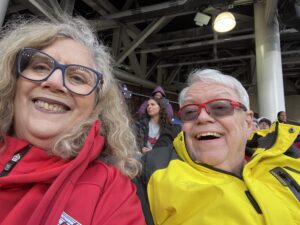 5 March 2026 –76 and all is well…Some might think that saying all is well just 5 ½ weeks after Richard’s death is an inappropriate comment but it is not for me!
Yes I miss him and wish he was here and that the event that led up to his passing didn’t happen, but it did. I am navigating each day as a new day, a new challenge and opportunity and I’m living for the two of us.
Yesterday, I went to lunch with my girlfriend Carol. Carol has been without her husband for 15 years. No, we did not sit and compare our stories of loss, but we did discuss the realities and how she found herself vulnerable but resilient creating a new journey. As she spoke of her husband it is quite evident his energy is with her and allows her to be the person she is. She is living a full life, the hugs, hand holding, and kindness of others is not the same, but it fills in the gaps to keep his memory and hers growing.
During our lunch together we talked about high school friends, our kids, her grandkids, as well world politics. It was a great birthday gift being with a friend – we go back at least 60 years.
After lunch I came back to Alex’s apartment and prepared for a podcast which fit into my day perfectly. During the podcast, “Care Notes”, I realized that I was feeling calmer than I have in weeks, was that a gift from Rich?
Alex and I topped off the day with dinner at Kitchen Social, compliments of my niece Rachael. The food was terrific. I’m not a foodie but their cheddar, scallion, honey biscuits are to die for. I could have made a meal of just biscuits. However, we both chose the fish and chips (a great choice) and we topped it off sharing the chocolate cake with a scoop of ice cream (my version of a birthday cake).
My day included phone calls (my brother Gary), text messages, emails and flowers from Steve. A special thanks to Zuzu and Griffin, Grif made my night singing Happy Birthday to me! Love those two kids as if they were my grandkids.
What I missed yesterday was not receiving prose from my brother Joel or an early morning phone call wishing me a Happy Birthday. However, I knew deep in my heart he too was with me as I knew if he could, he would.
Also, I missed having to wait for Rich to wish me a Happy Birthday and tell me he was my present, asking the question aren’t I enough for you? And he was!
As I write this recap of what happened yesterday and how I enjoyed even the twinges of sadness that I am lucky. My parents provided me with values that I have carried with me and put to use as needed throughout my journey. Rich believed in me and encouraged me to be happy even when it felt like the emotion was dead inside of me…he always led me to a smile and the brighter side of life.
So today will be another good day. I have only one meeting scheduled for this afternoon and short of that I am going to use the day to just relax. It’s a rainy day here in Columbus so not a day to go out for a walk which I have been wanting to do – I need to be able to walk and feel nature around me-soon I hope.
Before Alex left for work I told him we would make pasta for dinner, a quiet night after a long day of work for him followed by some TV watching together.
This week’s visit is almost at an end I will cherish the time I have spent with Alex. I am a lucky mom having two sons who have found time to spend with me, work with me, laugh with me as well as shed emotional tears.
 4 March 2026 – Three days into my stay in Columbus, Alex and I have already learned how to move around each other in his small apartment, almost like a quiet choreography. While he’s at work, I’ve been working too, with moments of rest tucked in between. The weather has been gray—rain, clouds, even a touch of snow—keeping me indoors when my body is longing for a walk.
On my first day here, I helped Alex reorganize his space, and he’s kept it just as I arranged it. It struck me that I never taught him how to clean when he was young—I simply did it myself. His learning curve now is partly my doing.
This morning began with a business call that left me energized about what’s coming in the second quarter. I remind others all the time: we are never too old to change, to grow, to take on something new. Living authentically is its own reward.
And today, I woke up 76. There was a time when I thought this age meant old in the truest sense—rocking-chair old. But even though I sit in the same office chair every day, I am far from done. Rich’s passing has reminded me that we planned to live fully, and that is my birthday wish for myself.
I’m dressed and ready for a day that feels both new and familiar. My high school friend Carol, who is now living just minutes from Alex, is meeting me for lunch so we can reconnect across the years. Tonight, Alex is taking me to dinner—a birthday gift from my niece Rachael. A first for me, and one I’m genuinely excited about.
I keep returning to a moment from January 19, 2026. Rich was being examined by a neurologist, answering some questions correctly and others not. When the doctor asked who I was, he said, “My wife, Karen.” And when asked my birthdate, he answered clearly: “March 4, 1950. She’s going to be 76.” I didn’t know then that he would soon fade, or that cardiac arrest was hours away. That moment became an unexpected early birthday gift I now hold close to my heart.
This is also my first birthday without hearing from my brother Joel. He was always one of the first to call, and in recent years he’d send a bit of prose. I miss him deeply and imagine him somewhere near Rich and our parents, watching over me today.
People ask where my strength comes from. I think of my parents, who taught us to find happiness from within. It took me years to understand that. I spent much of my life as a drama queen—my parents even called me Sarah Bernhardt. But life has enough drama on its own, and over time I’ve learned to soften, to breathe, to live with more intention and less intensity.
Entering 76 feels like opening a new chapter, and I’m already imagining 77 and the joy I’ll gather for myself and everyone I meet along the way.
 3 March 2026 – In just a few hours, I’ll turn 76—quietly, in my sleep. Tomorrow morning I’ll wake up older, hopefully wiser, and determined to use the tools I’m gathering to walk this unfamiliar road.
The firsts have been brutal. Days after Rich died, I faced our anniversary alone on February 2. Then came Valentine’s Day. Rich didn’t always remember it, but I did—cards, candy, a special dinner. This year the day slipped by quietly, and I sat with the ache of being alone while my boys were in their own homes. Still, I made it through.
My first birthday without him will be different. I’m away from home, meeting a dear high school friend for lunch, and later having dinner with Alex—a gift from my niece, Rachael. This first feels like a true crossing.
And in three weeks, on March 25, I’ll face Rich’s birthday without him. I’ll honor his heavenly birthday by creating new memories—ones that will comfort me and keep him close.
In the past day, so many readers have reached out to say they, too, learned to live fully after losing their partner. Grief is personal, unpredictable, and deeply individual. But when we choose to live in a way our loved one would have wanted, something inside us begins to knit back together.
I’m still stunned by how quickly Rich declined. A sore throat, a sudden weakness, a crushing headache. Two days later, cardiac arrest. A week in a coma. It still feels impossible.
I accepted the truth the moment it happened. I saw the look on his face—eyes wide, body rigid—and I screamed for him to stop, to come back. They pulled me from the room as they worked to bring back a heartbeat. They did, but that was all they could give him.
As these firsts arrive—dates, holidays, milestones—I’m doing my best to create new memories I can someday share with him in eternity. I’m leaning on the energy he left behind, letting it steady me as I take each step.
I’ll keep writing, keep sharing, keep listening, and keep growing. And in a world that often forgets kindness, I’ll offer mine freely to anyone who reaches out.
 2 March 2026 – A Different Monday _
This Monday morning doesn’t look like any Monday I’ve had in a long time. I woke up in my son’s apartment, surrounded by the small details that make a space unmistakably his. It’s a different feeling from waking up at home, where every room still carries traces of me and the quiet presence of Rich.
Even though I’ll be working from here—podcasting, coaching, keeping up with my routines—I intentionally left space in my schedule. Change can be energizing, but it can also tug at old wounds, and I’m trying to honor both truths.
I’ve always been a planner. As a little girl, I would spend days imagining my birthday party before it happened. I’d picture the moment my friends walked through the door, how the games would go, and the pile of gifts I was sure would include everything I wanted. I created entire scenes in my mind.
And then the real day would arrive, and I’d end up disappointed. My friends weren’t following the script I had written in my head. They didn’t even know there was a script. I was directing a play no one else had auditioned for.
It has taken me years, in fact most of my life, to stop creating images that might disappoint me. It’s OK to have ideas and hope for life events to happen in manner in which might make us the happiest, but to be dependent on the outcome can cause more sadness and disruptive thoughts into our lives.
My husband was a go with the flow guy. If he anticipated something or hoped for a certain outcome he did put a lot of faith into, in fact he was more of pessimist, and yet on the outside appeared to be optimistic. Rich loved to tease and act quirky it was his way of connecting with people and yet many didn’t understand his humor. Alex says Rich only knew “Dad Jokes”, ugh!
What happens when you take a watch on a plane? Time flies!
Old humor, quirky habits, MeTV reruns, and those deep belly laughs—these are some of the things that catch me off guard. Music does it too, especially the mix of genres Rich loved and shared with all of us.
On the drive to Columbus, the very first song that came on the radio was Hotel California. It was one of the songs Alex and Rich always played on their road trips, part of their shared soundtrack. The moment it started, we both smiled. It felt like Rich was riding along with us.
Yesterday, after grocery shopping and getting ourselves ready for the week, we stopped for lunch at McAlister’s Deli. I was the one who suggested it, but the moment we walked in, it hit me. Rich and I had discovered a McAlister’s on the west side of Cleveland near one of his doctor’s offices, and it became our little ritual—lunch after an appointment.
Stepping inside brought me right back to the last time we were there together. We had left the doctor’s office in a whiteout and decided to wait out the storm over lunch. We shared a club sandwich, Rich insisted on a chocolate chip cookie, and we lingered far longer than we planned. Eventually, we had to drive home through blinding snow, but even that felt like an adventure because we were together.
Mm-mm-memories
Light the corners of my mind
Misty watercolor memories
Of the way we were
As I am flying solo I believe I am bringing Rich with me. I allow the triggers to bring me comfort even if it means I have to rewrite the script just enough to create the peaceful love we shared.
Life with Rich was not perfect but truthfully it was meaningful, together we shared ups and downs and learned how to maneuver through the potholes. We weren’t always lovey dovey, we had our share of raised voices, angered and frustrated feelings, disagreements that brought us to question why we were together, and yet we always kissed and made-up. To be honest I expressed my vocal anger louder than Rich. (We are a product of our environment, and I was raised by the loving BICKERSONS).
The Bickersons was a series of radio and television comedy sketches which began in 1946 on NBC radio.[1] The show’s married protagonists, portrayed by Don Ameche (later by Lew Parker) and Frances Langford, spent nearly all their time together in a relentless verbal war.
This morning looks nothing like my usual Monday. I’m sitting in Alex’s living room, watching him get ready for work, and the shift in scenery is unmistakable. At home, I’d be tucked into my freshly organized office, writing with the soft soundtrack of birds and snowfall outside my window.
Right about now, I’d be heading downstairs to make my morning coffee. Here, there’s no coffee maker, so I’ll be relying on a store‑bought cold brew. It’s not my usual ritual, but it will do. Then I’ll get myself ready and ease into the podcast conversations I have lined up for the day.
I know triggers might surface. I’m doing my best to be ready for them, but I’m also learning that sometimes readiness isn’t the point—sometimes it’s just about meeting the moment as it arrives.
 1 March 2026 –March 1st and it is coming in like a lamb as I just noticed that we got snow over night after it being a glorious day warm day yesterday.
It’s going to feel like winter again today even though according to the Meteorologist, it is Spring.
The weather pattern for the next seven days shows a warming trend and by the weekend we will be back in the 60s now that I like!
Today I am preparing to drive back to Columbus with Alex and spend the next five days with him. We both agreed we needed to spend some time together away from the house holding deep memories. Our schedules will remain the same while he is at work I will be working from his apartment. One of my tasks while visiting is to help him arrange and declutter his apartment. He moved to Columbus in August and he jumped into a heavy work schedule day one. Sadly, his schedule has been interrupted with the death of his uncle, my brother Joel and his dad, my partner of 42 plus years. (It’s not time to set-up his apartment as his home.)is schedule has
Have I ever shared that I took interior design classes (it feels like it was another lifetime ago)? I have always been an organizer and visualizer and when I would envision the set-up of a room I would move and mix furniture pieced to create a new look for $0 dollars. When I became an interior plant designer I brought my additional ideas and training to my clients. Although I enjoyed the creativity of my work it could be back breaking moving furniture from room to room.
Well, this week I will be channeling my design side and providing Alex with a homier apartment where he plans to live for a while.
This week on newclevelandradio.net there will be new recordings and WITW with Paul Seaburn will hopefully be live at 3:30 pm on Tuesday March 3rd. Every once in awhile zoom loses my go live password just at the moment we are set-up to GO-LIVE, so there is always a possibility we will record and be available only as a stream.
Since Rich got ill and passed away my life has not been the same despite the normal chores and my work being constants but there flavor has changed and I have not become consistent. I love to create routines and follow them with the ability to modify them in the moment, but lately I get lost in the routine task and turn it in something complex. Although I work my way through it, I am causing my own complications. (I’m told this is all normal through the grief process.)
Did you know we don’t just stop grieving? Grief has many components to is and no two people will experience the same path. However, you are working through your emotions you are doing it right unless you have allowed yourself to die along with your loss. Sadly, what others experience is a secondary loss, YOU. What your friends and family experience is you committing a slow and agonizing suicide.
It’s been just a few days in the first month of my loss and I have dug deep to get the inner strength to live my life fully, not just for myself but the other people in my life who love and care for me. It’s not my time to leave this earthly world and when it is I plan to leave my mark, so I have a lot more living to do.
As a life coach I know I am reaching many individuals, specifically women, who are devastated by the loss of their husband/partner/spouse who they shared a lifetime (even one day) with. The memories good and bad are balancing out while creating a deep longing while feeling empty and alone. No one can change those emotional feelings except the individual experiencing them. The feelings are real and substantial; however, they don’t have to control us.
Yesterday, even with having my son here with me I was feeling empty, alone, and agitated. It was also my heavenly mother’s birthday, the woman who taught me to be strong and independent and most of all loving. I felt myself on a spiral I would wind down and that I would wind up so tight I thought I would suffocate. While feeling like this I tried to act ‘normal’ only making my emotions more confusing (no tears, no outer signs of sadness or distress, all inside).
I gave in and laid down to take a nap. Although I know I did sleep, those emotional disrupts played in my brain, they were not definitive and they would take me from a deep sleep back to drowsiness and back again into a deep sleep until I woke up feeling lost. I had to gain my footing and my thoughts, and I heard a voice in my head reminding me that this is my life, my future.
As I chose to emerge from my bed I felt lighter than I had when I crawled in an hour or so before. Although I felt exhausted (despite the nap) I had the energy and the will to be Karen.
Last night Alex and I enjoyed dinner from our local Chinese Takeout – Frankies Wok – where we have been patrons for 20 plus years. When I call in an order the owner remembers my voice and our likes but this time I confused her because we always ordered with Rich’s needs in the past. Last night we didn’t have to leave off the onions, and we didn’t need low sodium.
Alex and I enjoyed our meal (with leftovers for today when we arrive in Columbus). While having dinner Wrestle Mania played in the background and my son shared more information about this sport than my brain could absorb, but it was pleasant and took me down a new path. (NO, I doubt I will become a Wrestle Mania fan!)
The snow we got overnight is already melting and I am encouraged that this brutal winter is almost behind us. Spring is going to provide me with more light and life…Do I wish Rich were here to walk next to me, YOU BET YOUR SWEET BIPPY (Thank you Rowans & Martins’ Laugh-In).
I see trees of green, red roses too
I see them bloom for me and you
And I think to myself, what a wonderful world!
I see skies of blue and clouds of white
The bright blessed day, the dark sacred night
And I think to myself, what a wonderful world!
The colors of the rainbow so pretty in the sky
Are also on the faces of people going by
I see friends shaking hands saying, “How do you do?”
They’re really saying, “I love you”
I hear babies cry, and I watched them grow
They’ll learn much more than I’ll ever know
And I think to myself, what a wonderful world!
Yes, I think to myself, what a wonderful world!
Source: Musixmatch
Songwriters: George David Weiss / Bob Jr Thiele
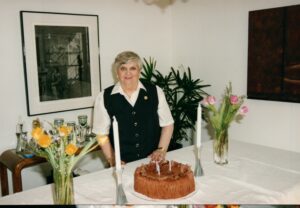 28 February 2026 – Happy Birthday Mom
Is it today or tomorrow? That’s the question that always rises when your mother is born on February 29. My momma, Dorothy Friedman, arrived in 1920 and would be 106 this year—though by Leap Day math, she’s barely 26 and a half.
Some say Leap Year babies get shortchanged. Not my mother. She claimed both February 28 and March 1 as her own, except on those rare years when the 29th returned like a long‑lost friend.
In 1950, I was meant to join her on February 28. But I lingered. On March 3, in a cramped Detroit flat with two little boys and a belly stretched to its limit, she prepared for Shabbat the way she always did—candles lit, soup simmering, chicken roasting, sweets cooling on the counter. Only after dinner did the “indigestion” begin. My father knew better. They rushed to Women’s Hospital, and in the early hours of March 4, I arrived.
Later, I learned she quietly folded March 4 into her own birthday tradition. And so, for as long as I can remember, our birthdays were braided together. One cake, one song, two names.
As a teenager, I bristled at sharing the spotlight. I never said a word. My mother simply assumed hormones were to blame.
But distance has a way of softening edges. At 22, newly married and far from home, I felt the ache of celebrating without her. I missed the duet of our names in the birthday song.
For her 95th, we gathered the family. She was determined to reach 100, to be toasted on national television. Before we sang, Joel appeared with a second cake—mine. The room filled with a chorus for both of us, and I felt wrapped in something tender and timeless.
She didn’t reach 100. She left us at 96 and a half, on an October day that still feels sacred.
Today, February 28, 2026, I’ll whisper Happy Birthday to her. And on March 4, I’ll celebrate my own day with her spirit tucked close, as it always is.
Grief doesn’t disappear. It transforms. It becomes the love that keeps showing up.
 27 February 2026 –Who Should Know?
When someone dies, there’s a strange moment where you realize you don’t actually know who all the “right people” are. You notify the family, the close friends, the people who were part of your everyday life. But then there are the names you heard over the years—work friends, old classmates, people who mattered to your loved one even if you never met them. Posting an obituary becomes a way to catch those threads you didn’t know you were holding.
My parents’ generation read the obituary column every morning. They used to joke that they must still be alive because their names weren’t there. There was something grounding about that ritual.
Planning and Doing!
Now, celebrations of life don’t always happen right away. When they’re delayed, the grieving can feel suspended. That has been true for me. So much of my energy this past month has gone into paperwork, transferring accounts, and sorting through Rich’s things. Some items were meaningful to him but not to me or the boys, so they’re in a box for later—when my heart is steadier.
Right now, I’m planning Rich’s celebration of life for April 25th. I want it to feel like him: warm, thoughtful, quietly humorous, and comforting.
Connection
His ashes are still in his closet. I talk to him every day. I think he needed time to settle in here, and I needed time to adjust to this new version of “home.” Rich was an introvert; being tucked among his belongings feels fitting. I’m not ready to move him, and that’s okay. I say good morning and good night. It soothes me.
As I move through this new chapter, I keep returning to how much Rich believed in me. He always saw what I could do before I saw it myself.
Invitation with Trust
There was the early time in our relationship when he invited me to a photo show in Pittsburgh. I drove there alone—my first solo road trip. He assumed I’d sit and keep him company, but when the crowd grew, I stepped in. He handed me a Subtractive Calculator, gave me a five‑minute explanation, and suddenly I was demonstrating it like I’d been doing it for years. For two and a half days, I was the “Subtractive Calculator Queen.” His boss was stunned by the orders that followed.
That was Rich: he trusted me to rise to the moment.
When he worked at Microsoft, he’d get asked to do Alpha and Beta tests. He’d hand me the instructions and tell me to try, even though I barely knew how to use a typewriter. “If you can follow a recipe, you can follow this,” he’d say. And he was right.
Partnership
Later, when he started Koala Consultants, he taught himself programming and built tools for BP America. We’d go in together to train employees. Eventually, he convinced me to apply to a software training company. I passed the interview and taught until 2000. I never would have imagined that path without him.
In recent years, when I had tech issues, he’d encourage me to figure them out. Most of the time I could. Sometimes I pretended not to know just to get his help. I think he knew. I also think he was preparing me for now.
I’m grateful for every nudge, every push, every moment he believed in me more than I believed in myself.
Rich is Still Here
And here’s something small but meaningful: for the past year, I struggled to open jars. Even with tools, it was hard. Recently, I’ve noticed I can open things again. Maybe it’s strength returning. Maybe it’s Rich, still helping me in the ways he can.
 26 February 2026 – Sometimes healing arrives in the form of a simple lunch date.
Today, a friend and I braved the winter roads—sunlight guiding us, temperatures just warm enough to say, “go ahead.” We met halfway, as we always do, two women who dislike the freeway but love each other’s company.
We talked about Rich, not with heaviness, but with warmth. We laughed about his quirks, honored his memory, and let the conversation wander the way friendship does. Two hours passed in a blink.
Connection matters.
It lifts the spirit in ways solitude can’t. And if your friends feel far away—geographically or emotionally—there are still ways to reach out. Online groups, neighborhood apps, small meet ups. I’ve planned one for April. Whether one person comes or ten, it’s a step toward community.
My life has held many circles of friendship:
young mothers gathered around toys, singles navigating new chapters, coworkers who became confidantes. When I moved to northeast Ohio and built a life with Rich, I didn’t cultivate many girlfriends. But in recent years, I’ve let myself reconnect, rebuild, and rediscover the joy of companionship.
Today marks one month since Rich left this earth.
I chose to spend it with a friend because the firsts are tender, and I wanted to meet this one with courage. I did. And I felt a spark of happiness.
I’m not searching for a new partner. I’m searching for life—my life. The one Rich would want me to keep living.
We can grieve deeply and still choose joy.
We can miss our spouses and still reclaim the parts of ourselves that existed long before love arrived.
26 February 2026 –
“For what it’s worth: It’s never too late to be whoever you want to be.”
F. Scott Fitzgerald (attributed)
 One month has passed since Richard officially died on January 26, 2026. I say officially because from the moment he went into cardiac arrest, he never woke up again. They called Code Blue, they restarted his big, beautiful heart, but the rest of his body was simply too tired to stay.
I keep circling back to the same question: how did this happen so quickly—or was it quick at all?
As I read messages from friends, both new and lifelong, who have lost spouses or anyone they deeply love, I see the same question reflected back: How? Why? There is no satisfying answer, only the ache of hindsight. Looking back, I can see that Rich had been unwell long before the symptoms became undeniable. The sinus issues, the headaches, the vertigo, the unexpected falls. The bladder weakness he joked about but clearly felt embarrassed by. He masked more than he revealed.
When I met my “Pain in the Ass” husband—a nickname spoken with love—I was drawn to his kindness. He wasn’t judgmental, not until these last few years when the world felt heavier and he worried about the future of our boys. His kindness sometimes cost him; he lifted others up while standing still himself. Yet he never stopped celebrating the success of the people he cared about. Their joy lit him up.
Reading the stories of other grieving spouses on Facebook, I’m reminded that there is still so much love in this world—love that needs to be used, shared, lived.
Rich is no longer here in the physical sense, but his energy remains. His DNA lives on in our children, in future generations, in the people he touched. As the surviving spouse, I believe it’s my responsibility to carry forward the mission he lived quietly but consistently: kindness and love.
I may no longer receive his hugs or kisses, but I can offer the world the energy of those years of affection. If I take all the positivity from our 42+ years together, I can slowly give it back.
- Let’s hold the door for someone, young or old.
- Let’s greet the day with sunshine in our hearts and share it freely.
- Let’s understand the difference between grieving and mourning.
- Let’s remember that grief is personal; there is no manual.
- Let’s trust that happiness is possible again—and that honoring our love means allowing it.
- Let’s stop judging ourselves and live as authentically as we can, with help when needed.
- Let’s stop judging others for how they grieve and instead help them find their way.
I don’t have the answers for how to live your best life.
But I’ve spent more than 15 years practicing mindfulness, and it has carried me to a quieter, more peaceful place despite the noise around me. Writing helps me stay grounded in my truth. I’m trying to live my best life each day, and when I fall, I’ll brush myself off and begin again.
“It’s never too late to become who you want to be. I hope you live a life that you’re proud of, and if you find that you’re not, I hope you have the strength to start over.”
— F. Scott Fitzgerald
25 February 2026 –A Hint of Spring… Even If It’s Just for Today
This morning in Northeast Ohio is one of those rare winter gifts—bright sunshine, blue skies, and temperatures that have finally climbed above freezing. It’s amazing how a few degrees can trick the mind into thinking Spring might be closer than it really is.
When the cold wind and snow returned this past weekend, I felt my spirits dip. I had gotten a little spoiled by the brief stretch of warmer weather early last week. It was just enough to remind me what it feels like to move through the world without bracing myself against the elements.
So I reached into my toolbox and made a decision: Monday and Tuesday would be my hibernation days. No forcing myself out into the cold. No battling Mother Nature just to prove I could. Instead, I stayed inside, found work and chores to keep me busy, and let the sense of accomplishment carry me through. I even carved out some self‑care time—yes, that included a few rounds of online Scrabble™.
I also gave myself permission to step back from the phone. I only answered the calls I had the energy or desire to take. If you were one of the calls that went to voicemail, please know it wasn’t about you. It was about protecting my emotional well‑being, which is something I’m learning to honor without apology.
Moving at the Pace of My Own Heart
Today is a day of small steps: a few work‑related appointments, some errands, and a handful of return phone calls—only the ones that match my emotional temperature. I’m learning that this, too, is self‑care. Not every call needs to be answered the moment it rings. Not every task needs to be tackled with full force. Some days require a softer approach.
To all the people I’m meeting online through this new support system: thank you. Your condolences, your stories, your honesty—they matter. My mother used to say, “Misery likes company.” I’ve come to see it differently. Misery, sadness, grief—they need company. They need witnesses. They need spaces where we can speak our truths without apology.
When we share our stories, something shifts. We find threads of commonality. We open ourselves to new connections, new friendships, and new ways of walking forward. Grieving for the rest of our lives doesn’t honor the ones we’ve lost, nor does it honor the people who want to walk beside us now. What honors them is living authentically, allowing ourselves to grow, and letting community—old and new—carry us when we need it.
Weather, Wellness, and the Tools That Carry Me
The weather has a way of sneaking into both our bodies and our moods. I’ve learned that sunlight is my happiness—when the sky is bright, like it is today, I feel lighter, clearer, even a little healthier. But when the days stack up gray on gray, when the snow and ice make me shiver even from indoors, something in me feels off. Those stretches take a toll.
These last couple of days, I had to nudge myself to do the basics: eat well, drink enough water, move my body. None of it came naturally. My motivation, honestly, was the hope of seeing Mother Nature smile again.
So I’m working on building new tools for my toolbox—ways to lift myself through the emotional letdown that comes with a Cleveland winter. I’m not planning to move to a warmer climate or become a snowbird. This is home. And if I want to keep feeling “happily healthy,” even in February, I need a set of tools that help me meet the season where it is.
 24 February 2026 – Sometimes we don’t want to talk – when we hear our voice – repeating the same story – it’s enough already!
Friends and relatives mean well knowing I’m alone and the assumption is I’m available to chit chat.
I may want too, but I just can’t.
My husband got sick, my husband died, I am alone and as much as you may want to fill the void, you can’t.
I need the time to process and my way of doing that is making choices that work for me in the moment. What that means you may call but I may not answer. When I feel like I can talk I will call you back, in the meantime I may send out a text that let’s you know this is just not a good time for me.
As many of you know I am slowly rebuilding my podcasts times and also welcoming new coaching clients at #yesican Coaching with KAREN (kh.yesican1@gmail.com)
Grief takes up a large portion of my brain even when I am trying to put it aside, but little things trigger my thoughts just walking into my living room causes that lump in my throat to make me feel like I am choking.
My goal is to get more comfortable and increase my workload that normally brings me happiness and a feeling of accomplishment. However most recently I have been working at decluttering the rooms and closets where Rich the Packrat stored stuff. Everywhere I turn I am finding hard drives, flash drives, flash cards, and cords and cables that go back to the Commodore Days. My overload of garbage and recycle this week will not bring a smile to the sanitation company today. I have a carload for Charity, and I have made two trips as of the end of last week. I also have a box of electronics for recycling at Best Buy.
The office studio that I shared with Rich actually looks clean and neat and I still have a lot more to do here, but it is now roomier and cleaner as I was able to move the furniture to vacuum and dust. (What a concept) I keep waiting to hear a reprimand from Rich for getting rid of boxes of cables and cords, and I just found more. If I had a dollar for every cable and cord I could probably treat myself to a nice message or three – we took a box over on Sunday and now I have two more…Rich wanted to ensure he had the tools for his craft, but the problem is he replaced the ones he had because he couldn’t find the right one when he needed one. (It’s making me smile!)
The sun is shining and the it looks like the snow may start to melt. That makes me smile too. If it stays sunny when my next podcast is recorded I think I may go out and run some errands.
Here Comes the Sun
Here comes the sun, doo-doo-doo
Here comes the sun
And I say, “It’s all right”
Little darlin’
It’s been a long, cold, lonely winter
Little darlin’
It feels like years since it’s been here
Here comes the sun, doo-doo-do
Here comes the sun
And I say, “It’s all right”
Little darlin’
The smile’s returning to the faces
Little darlin’
It seems like years since it’s been here
Here comes the sun
Here comes the sun
And I say, “It’s all right”
Sun, sun, sun, here it comes
Sun, sun, sun, here it comes
Sun, sun, sun, here it comes
Sun, sun, sun, here it comes
Sun, sun, sun, here it comes
Little darlin’
I feel that ice is slowly melting
Little darlin’
It seems like years since it’s been clear
Here comes the sun, doo-doo-doo
Here comes the sun
And I say, “It’s all right”
Here comes the sun, doo-doo-doo
Here comes the sun
It’s all right
It’s all right
Source: Musixmatch
Songwriters: George Harrison
Here Comes the Sun lyrics © Sm Publishing (poland) Sp. Z O.o., Harrisongs Ltd
24 February 2026 –A Late Start, A New Beginning
5 a.m. feels unusually late for me, and yet I woke with a small thrill—another hour or two of sleep still waiting for me. Outside, the storm has quieted. Light snow may drift-in later this morning and again tonight, but the forecast promises a glimpse of sun and temperatures just above freezing. Not quite shorts weather, but enough to stir something hopeful.
Every year around this time, I feel myself lift—lighter in thought, happier in spirit, more eager for what’s ahead. In one week, I’ll celebrate 76 turns around the sun. And even though I’ll be marking this birthday without my partner of 42 years, I’m choosing to make it my day—something I’ve never truly done before.
Growing up, I shared my birthday with my Leap Year mother. If it was a leap year, we celebrated on the 29th; if not, March 1st. (Family lore says she prayed I’d arrive on the 28th or the 1st. Instead, I made my entrance on the 4th.) We shared the date, the cake, and the celebration. As a child, I hated it. I would give anything to share a cake with her again.
We weren’t a family of extravagant birthday parties. My mother organized a few when I was young, but the excitement of friends and noise overwhelmed me. I’d end up crying, which did not go over well with my parents. The last birthday I shared with my mom was her 95th. My brothers and I planned a big celebration—family, cousins, friends, a traditional Jewish Sunday brunch. I insisted the day be all about her.
But my mother, in her quiet, mischievous way, had other plans. She surprised me with a small cake and gifts for my 65th. I cried that day—tears of love, gratitude, and the realization that it had taken me nearly 65 years to understand the beauty of what we had shared.
My mother lived a full 96½ years—24 birthdays young.
Losing a parent at an advanced age is common, sometimes even expected. But my mother was unique. She rarely got sick—an occasional cold, a rare headache, nothing alarming. A breast lump in her 40s turned out to be benign. In her 90s she experienced TIAs, but with little impairment. Until the summer of 2016.
I’ll never forget the call from my brother Joel urging me to get to Detroit immediately. When I arrived at the hospital, a sign on her door read: DO NOT ENTER — go to the nurses’ station. You can imagine what ran through my mind.
She had suffered a stroke. She was found in her independent-living apartment unclothed, the room in disarray, confused but still somewhat coherent—except she was stumbling as if she couldn’t see. The stroke had taken her sight, though she had no idea she was blind. Hence the sign.
The doctors told us that if she survived, we should not tell her she was blind unless she realized it herself. In the 2½ months she lived, she never did.
One morning, after she was discharged and I was living with her to oversee her care, she commented on my shirt. My mother always wanted me in colors I disliked—especially turquoise. She told me how happy she was to see me in that beautiful turquoise top, as if I had finally become her color queen. For the record I was wearing black.
The brain is astonishing—the way it protects, fills in, rewrites, and remembers.
Those last months were both heartbreaking and sacred. We anticipated her death—her age, the stroke—but she initially rallied, and we had to consider her future and ours. I found myself oscillating between rejoicing and grieving. On her good days, we talked and shared meaningful moments. On her bad days, grief crept in and sat beside me.
My mother died on October 11, 2016—Erev Yom Kippur. She was not written into the Book of Life for 5777.
As February 28th approaches, she fills my thoughts. For the ninth year in a row, I won’t share a cake with her. But I will share my heart with her, as I always have. My memories of my mother are a gift—one no one can ever take from me.
And this year, as I step into my 76th birthday, I carry her with me. Not in shared cake or candles, but in the quiet certainty that love, once rooted, never leaves.
 23 February 2026 –Anticipation, Grief, and the Tools That Carry Us Forward
I recently wrote about anticipation—specifically the kind that pulls us toward negative expectations. It’s incredibly common in grief. We’re conditioned by culture, by stories, by the people around us to believe that every “first” after loss—a birthday, an anniversary, a holiday, even a date on the calendar we once looked forward to—will be unbearable. There’s rarely a maybe in that message. It’s presented as a guarantee.
The human brain is fascinating. Unless we’re trained in mindfulness, it tends to assume the worst. It tells us our emotions will hijack the day, that the pain will be too much, that the moment will swallow us whole.
My way through this has been simple:
Remember that it’s just one day. One 24‑hour period.
Tomorrow will not carry the same weight. Tomorrow will not ask the same of me. Focusing on the next day is, in its own way, an act of mindfulness.
For me, it always begins with breathing. I notice my breath, inhale deeply through my nose, exhale through my mouth. Sometimes I use box breathing—visualizing each side of the box as I breathe in, out, in, out. It grounds me. It gives me a baseline.
When emotional grief gets stuck in my throat—as it often does—I place my attention right on that sensation. Through visualization, I imagine the lump dissolving or shifting to a place in my body that carries less anxiety. I observe what might be triggering it and picture what I can do to ease it. Sometimes that leads me straight to the computer, where writing helps release the thoughts trying to hold me captive.
Music can shift the emotional landscape too. So can a walk in nature, a workout, or simply changing your environment. And sometimes the smallest comforts help—sitting in a coffee shop, letting the warmth and texture of a drink soothe the internal thermostat.
I remind myself that tomorrow will feel different. It always does.
When my sons visit—long before Rich passed and even more so now—their departure leaves me feeling empty, sad, and tight‑throated. I’ve learned to recognize the sensations and reach for my tools. When my oldest would come for a weekend, I’d plan something for the moment he left: a trip to the mall, a visit with a friend, or a date with Rich. Over time, I learned that these emotions are survivable when I create a healthy next step.
When my youngest moved over a thousand miles away four years ago, I stood frozen as he drove off. It felt like my world was collapsing. We had no clear plan for when we’d see each other again. Walking back into the house and looking down the hall toward his room, I truly thought I might break. But I remembered my toolbox. Rich and I packed an overnight bag and left for a two‑day trip. The next day was better. We created a new routine of phone calls to soften the emotional blow we were all feeling.
This past month, I’ve had to reach into that toolbox again and again—creating new options for new challenges. I’m listening to how others cope and trying their suggestions on for size. Some fit. Some don’t. Some are too tight, some too loose, and some simply aren’t for me. And that’s OK. What matters is knowing I have agency over my thoughts.
Too often, we blame others for our feelings as a way to protect ourselves. If we project our discomfort outward, we don’t have to take responsibility for it. But that approach stunts our growth, strains our relationships, and leaves us powerless.
I refuse to give up that power.
I am ME!
23 February 2026 – Sadness: When Emotion Gets Stuck in the Throat
 There are days I step forward, days I step back, and days when it feels like I’m crawling through my own life. If grief truly is the product of love, then I will keep learning how to accept it, soften it, and work through it in the name of that love.
 Every time my sons leave after a visit, something inside me starts ticking—an emotional Geiger counter warning me that a wave is coming. I brace for the explosion, but it never erupts. Instead, everything rises and lodges in my throat, tight and unmoving.
 Sadness is born from happiness.
We get excited to spend time with the people we love, and then the minutes vanish and suddenly it’s time to say goodbye.
We plan events, pour ourselves into the details, hoping to make everything perfect. Then the day arrives, passes, and we’re left wondering: did we feel the joy, or were we too focused on the ending?
We raise families, marvel at each new stage, always looking toward tomorrow. And then tomorrow arrives, and our children move out. The empty nest comes whether we’re ready or not. We joke that this will be “our time,” but the missing piece leaves a quiet ache that feels a lot like grief.
Emotional grief is the kind that stops us mid‑stride or sends us spinning in circles. It’s the kind that convinces us we’re stuck. And even when we think we’ve prepared ourselves, it hits hard—wham—seeping into every corner of the body and soul. Pain that deep doesn’t dissolve on command. Each of us has our own timeline, our own tools, our own way back to a gentler place.
 It’s OK to grieve.
But it’s also important to remember that intense emotions mean we have been lucky—lucky enough to know love that leaves a mark.
As the ones still living, we carry a responsibility: to live for ourselves and for the people who love us. We may feel as if a part of us died with the love we can no longer touch, but as long as we are breathing, we are called to keep going. To keep loving. To keep living.
I Wish You Enough – I will be with you every mile – Never Alone!
https://www.youtube.com/watch?v=7KYf9JeFkgE
https://www.youtube.com/watch?v=DrfQ31JIH0U
Blame it on LOVE!
(thank you Jeff Brisbin)
 22 February 2026 – Mother Nature Is at It Again
Winter is flexing her muscles once more. Depending on where you live in the U.S., this season can be downright brutal—and here in Northeast Ohio, just when we get a tiny taste of Spring, the snow decides to make a dramatic comeback.
I’ve never been a winter person, and the thought of another icy blast doesn’t exactly thrill me. But winter doesn’t ask for our permission. All I can do is prepare, adjust, and—if needed—hibernate for a few days. Isolation isn’t the enemy when you choose it with intention.
Today begins with light snow, but the real punch is expected from 6 p.m. tonight (Sunday) through Tuesday morning. Forecasts call for 2–6 inches of new accumulation. Thankfully, the last round of snow has melted away, and by Tuesday, slightly warmer temperatures should help this storm melt away too.
So, how do I prepare?
I currently have a doctor’s appointment scheduled for tomorrow morning at 8 a.m.—right in the snow belt. I could play the “wait and see” game, but the truth is, both my physical and emotional well‑being matter. So, I chose to reschedule. That one decision lifted a weight off my shoulders. It’s a small act of self‑care, but a meaningful one.
(What small act can you choose for yourself today?)
For the past month, my sons have been taking turns visiting, helping me sort through the details of life that require energy, clarity, and courage. In between their visits, I’ve purged, reorganized, and slowly re‑established my podcasts and coaching work so I can show up as my best self. I’ve also allowed space for downtime—reconnecting with friends and family through calls and texts. I’ve created a lifeline not just for myself, but for others too. It really does take a village to live a full life.
Today’s practical task: a trip to Lowe’s for two carbon monoxide detectors. My old one reached its eight‑year end of life yesterday and started chirping every minute. Not knowing whether it was a malfunction or a warning, I called the Northfield Fire Department. They arrived—lights blazing—to check everything out. Thankfully, my home is safe. The Fire Chief recommended adding a detector in the bedroom, explaining that if a leak ever occurred, it could wake me from a deep sleep.
Thank you, Mr. Fire Chief.
A Storm Outside, A Pause Inside
Believe it or not, I’m actually looking forward to staying indoors for the next day or two. I haven’t allowed myself much downtime this past month, and I think I’m finally ready to sit—if only for brief moments—and let myself feel or not feel. I need to stop pressuring myself to redesign my life, my home, and my future all at once.
I downloaded three books on grief and healing, hoping they’ll guide me as I step into whatever comes next. I want to deepen my understanding—not just for myself, but so I can better support others through my Life Coaching practice.
My mother used to say, “God doesn’t give us more than we can handle.” And while I’ve often asked God to give me just a little less, today I had an epiphany. By choosing to seek out reading material that might soften the edges of my grief, I realized something important:
I am the only one who can choose how I walk through this experience.
My path is mine—not yours, not anyone else’s.
So please, don’t judge me or anyone else on this journey. Some people sink into a deep well of memories and tears, finding comfort there. Others function one moment, fall apart the next, then climb back up to test their strength again.
I’m choosing the Karen Avenue.
I’m remodeling this path as I go—creating a life that holds the loving memories of Richard while making space for new ones. This is my way forward. My pace. My design.
And for now, as the snow begins to fall again, I’ll let winter give me permission to pause.
21 February 2026 – Is Rich upset that I placed him in the closet? Last night, I tried speaking to him, but all I received was silence. While riding the stationary bike, I reminded him that I’m doing this for him—taking care of myself and maintaining my self-care routines.
Later, as I settled into bed to watch TV, a sudden power outage struck, disrupting the bedroom TV. Now, Google is having trouble loading on my computers and phone—ugh! Is this Rich at work (my IT guy who always believed I could fix anything), or is it just a glitch from the IT gods?
I wasn’t sure how I’d feel about the cremation process or having Rich’s ashes at home. If you’re reading this and find it too sensitive, please feel free to stop here.
STOP!
There was a time when I wouldn’t have wanted to read further, but I’m glad I faced reality and prepared for this end-of-life event. In some ways, it feels like Richard and I were cheated out of time. We met in our thirties and spent over forty-two years together, facing many challenges and obstacles side by side. We hoped that, by now, our relationship would be sailing on calmer waters.
I’m not angry—just sad. With each step, I thank Rich for the shared love and friendship. Despite the difficulty of this transition, he instilled compassion, empathy, and loving kindness in our boys. Steve and Alex are helping fill the void and guiding me toward smoother sailing.
Steve brought Rich home with care, wrapping his coat around the container of ashes to keep it safe and steady during the ride. Even in the cold, Steve gave Rich the coat off his back and took him on a scenic drive, avoiding the freeway for a gentler journey.
Steve told me he had a one-sided conversation with Rich on the drive, apologizing when he stopped for water and even asking if his dad wanted anything—though, of course, Richard was silent. (Maybe he’d dozed off, as he often did as a passenger.)
I waited by the door when they arrived, Steve carefully carrying Rich in and setting the container down. He gave me instructions, and then I took Rich upstairs, where he now sits in his closet among his clean clothes—the ones I washed, ironed, and hung up for him.
Surprisingly, I feel comforted. I’m glad we chose cremation for practical reasons. I don’t need to visit a cemetery; having him here makes it more real, as I’ve been carrying him in my thoughts.
I’m grateful to Steve for handling things for me. It was strongly advised not to pick up Rich alone or have him shipped (the cost was a deterrent). I could greet him upon arrival or have Steve bring him in when I was ready. Greeting him gave me strength—still no tears.
Taking it one day at a time and now my day includes technical issues.
HELP!
 21 February 2026 –I’m reconciling accounts, building a budget, and trying to imagine what life looks like from here. I’ve learned that I have to stay rooted in today and tomorrow; if I look too far ahead, I risk slipping into a dark place, and that is not who I am.
Right now, Rich is home with me. Knowing he’s here—where I can speak to him out loud or in the quiet of my thoughts—brings a strange kind of comfort. In time, we’ll scatter his ashes in the places he loved, alongside the people who shaped him, and eventually where mine will rest too. But today marks four weeks since the illness that took him from us. Covid and pneumonia weakened him, leading to cardiac arrest, and a week later his heart finally stopped.
I was given a small vial with his fingerprint and a reading of his heart rhythm from just before he died. I hold onto it as a reminder of the life that pulsed so strongly through him.
Today I’m making a commitment—to Rich, to myself, to my family and friends—to keep moving forward. My sons have been incredible, spending weekends with me, but soon they’ll return to their own routines, as they should. Part of my commitment is reaching out to both old and new friends, creating opportunities to meet in person, and arranging virtual gatherings for those farther away.
I’m also returning to my Life Coaching work, helping other women who have experienced loss find their footing again. It truly does take a village—not only to raise a child, but to live a meaningful, purposeful life.
Purpose is what fuels that inner spark of happiness. I want to feel that spark every day, even if only for a moment. When it appears, I want to notice it, savor it, and let it remind me that life is still mine to live.
My father used to recite a poem by Edgar Guest, and lately his voice has been echoing in my mind…
It Couldn’t Be Done
Somebody said that it couldn’t be done,
But he/she with a chuckle replied
That “maybe it couldn’t,” but he/she would be one
Who wouldn’t say so till he/she tried.
So he buckled right in with the trace of a grin
On his face. If he worried he/she hid it.
He started to sing as he/she tackled the thing
That couldn’t be done, and he/she did it.
Somebody scoffed: “Oh, you’ll never do that;
At least no one ever has done it”;
But he/she took off his/her coat and he/she took off his/her hat,
And the first thing we knew he/she begun it.
With a lift of his chin and a bit of a grin,
Without any doubting or quiddit,
he/she started to sing as he/she tackled the thing
That couldn’t be done, and he/she did it.
There are thousands to tell you it cannot be done,
There are thousands to prophesy failure;
There are thousands to point out to you one by one,
The dangers that wait to assail you.
But just buckle in with a bit of a grin,
Just take off your coat and go to it;
Just start in to sing as you tackle the thing
That “cannot be done,” and you’ll do it.
And I Will! Please follow me, join me, be my guest!
 21 February 2026 –Exhausting Day -my son keeps me busy making the most of his weekend visit…I think we have the majority of the must dos completed or at least signed, mailed, or emailed. Luckily I was organized to a point that allowed this process to be completed over three weekends with a lot of diligence from Steve.
I am feeling more comfortable every day although I miss my guy with all my heart. As much as I love my boys and the extra time I am spending with them or talking on the phone, I would give anything to have my “Pain in the Ass” here.
Some of the things I am finding as we go through boxes and drawers makes me laugh and say, yeah that’s Rich. I just wish he were here purging with me.
My day today started quite early. Last evening we had a power outage and I noticed it when the TV turned off waking me up from a light sleep. Although I tried going back to sleep I was not successful, so I came into the office only to remember, I had no power so that was a waste of time…
When the power came back on around 3 am I was still laying in bed wide- awake. I turned on the TV only to find it would only allow me to stream certain apps, and even those were not working properly. I checked my modem and noticed it was on, so I didn’t know what was happening. I tried working on my computer and again my system was so slow it actually tired me out.
Around 10 am when Steve arrived we began trouble shooting and with Steve’s expertise we rebooted the modem, that didn’t do squat, but when he rebooted the router, everything began working as it should!
All went according to plan after that until we returned from dinner and there was a weird beeping sound that took us time to detect it was the carbon monoxide alarm. Not sure if it was a warning alarm or a true detection so a call to the fire department brought the big engine over with flashing lights and the friendly firemen check for any carbon monoxide leaks. (NONE – just an aged-out unit.) Guess who has to go to Lowe’s to get a new detector tomorrow.
In between the internet issues and the possible carbon monoxide threat I spent the afternoon cleaning out a small section of the closet here in the office. I think I have enough for the sanitation workers to ‘hate me’ this week. I have more than enough stuff for them to carry away this w eek.
20 February 2026 – When Your World Changes Overnight
 If you’ve lost a spouse, your world has changed.
If you’ve lost anyone or anything that mattered, your life shifts—sometimes for a moment, sometimes forever. Change is constant, but we rarely recognize it until it knocks the wind out of us. And when it does, our first instinct is always the same: How am I supposed to live with this?
I was married too Rich for 42 years, together for 44. That’s more than half my life. Of course I miss him with every fiber of my being. But I also knew him well enough to know he would never want me to spend my days drowning in sorrow. He taught me to be strong, independent, capable—even when I didn’t believe I was.
When we met, I was a divorced single mom who still felt like she needed a man to survive. It was the 1980s, when the world revolved around couples. You didn’t see groups of women going out to dinner or having Girls’ Night. Honestly, as much as I roll my eyes at the drama of The Real Housewives, those women cracked something open. They gave women permission to live boldly, loudly, unapologetically.
And here’s the truth:
Living again doesn’t mean you stop loving the person you lost. It means you carry that love forward with you.
Rich used to tease that if I died first, he’d find a younger version of me the very next day—someone who would fulfill all his fantasies. He’d joke that he’d have the best of all worlds until the day he joined me in eternity. And every time, I’d remind him, “Your name is Rich, but you’re not rich. Good luck with that fantasy.”
I worried far more about him being the one left behind. Not because he was spoiled, but because he had always been taken care of. Growing up, his mother and grandmother cooked and cleaned. His dad worked hard and provided well. Rich always had a nice car, always had what he needed. He wasn’t irresponsible—just… optimistic. If he had money, he spent it. If he didn’t, he shrugged and figured it would show up eventually.
He worked hard—no one could ever say otherwise. For a year he baked bagels at Bruegger’s from 4–7 a.m. before heading to his IT training job. But cooking? Let’s just say the microwave was his best friend. If I was out of town, he could feed himself and the boys, but more often he’d just go out to eat. (A good chunk of our budget went straight to restaurants.)
And yes—he was a packrat. A sentimental saver of everything. Just this week I found fourteen unopened packages of writable CDs and DVDs. Fourteen. We haven’t transferred media since the 90s, and those discs are practically museum pieces now. But Rich would’ve seen dollar signs. He always did.
He was tidy—clothes in the hamper, dishes in the dishwasher, spills wiped up. But dust? Floors? Showers? Those didn’t exist until I waved a metaphorical red flag. And even then, he’d do it, but only after the underwear supply hit critical levels. Clean clothes often lived on a chair because, according to him, he “never knew where they went.” Funny, because he always found them in the dresser when I put them away.
That’s why I lovingly called him “My Pain in the Ass.”
He was capable. He just preferred his “doer” to do.
When he got sick a month ago, it felt sudden, but looking back, I think something had been brewing. He leaned on me more. I didn’t want to nag, so I just did what I needed doing. He still took IT jobs, but he’d ask me what to charge, whether he should take them. I encouraged him because I wanted him engaged, connected, and purposeful.
Hindsight is a cruel companion. It gives you questions but never comfort.
I’m not crying every day. That doesn’t mean I don’t miss him. It doesn’t mean I don’t wish with every cell in my body that things were different. It just means I’m choosing to understand that grief doesn’t have to look one way.
I’m not angry.
Not at God—death is part of life, and none of us escape it.
Not at Rich—I don’t believe he knew how sick he was.
Not at myself—though of course I’ve replayed every moment, wondering if I should’ve done something differently.
But the truth is: he was too weak, too foggy, too far gone. No amount of vigilance could have changed the outcome.
I was there when he went into cardiac arrest. I heard the CODE BLUE. I saw the fear in his eyes. A nurse pulled me out of the room and stayed with me until family arrived. They got his heart beating again, but the man I loved was already gone. This wasn’t a TV drama. This was real life, and I knew in that moment that everything had changed.
Today, Rich is coming home.
Not the way I want—but he’s coming home.
In that box are his remains, along with pieces of his life:
his diploma, his master’s degree, his beloved Indians (yes, Guardians) cap, photos that made him smile.
Everyone—from hospice to grief counselors—advised me not to pick up his remains myself. So, Steve is flying in to do it. Alex wanted to, but his grief is too raw, and he’s working hard to build a life his dad would be proud of. Rich was proud of him. Very proud!
Today will be hard.
But I will get through it.
This is happening to me today.
One day, it may be happening to you.
And when it does, I hope you remember this:
You don’t have to fall apart to prove you loved someone.
You don’t have to cry every day to honor them.
You don’t have to stay frozen in the moment your world changed.
You get to live.
You get to carry them with you.
You get to keep going—because love doesn’t end.
It just changes shape.
19 February 2026 –
 January 17 February 19th — One Month Later
January 17th was the day Rich got sick.
January 19th was the beginning of the end.
And now it is February 19th, and if you had told me a month ago that Rich would not recover from COVID and pneumonia, I would never have believed you.
But life doesn’t ask for our permission.
Life begins with a man and a woman, it moves through birth, it moves through living, and eventually it moves through death. And if you believe as I do, it continues into eternity—into something infinite, peaceful, and beyond our understanding.
♂ ♀ ✳ † ∞
Man. Woman. Birth. Death. Infinity.
I’ve learned that for many people, grief becomes so consuming that life without their partner feels meaningless. Some stop caring for themselves, and their bodies eventually follow their heartbreak.
In honor of my husband—the man I lovingly called “My Pain in the Ass”—I refuse to let that be my story. I will take care of myself. I will live the way he would want me to. I believe I am carrying him with me now, sharing the good, the bad, and the ugly. His energy is what keeps me upright when my knees want to buckle.
None of us truly knows what happens when we die. We’ve all heard the stories—people who crossed over briefly and returned with memories of a white light, a sense of peace, a feeling of being welcomed. Something pulls them back, and that moment becomes their epiphany, reshaping how they see the world and how they treat others.
If heaven—eternity—is as loving as these stories suggest, then I choose to believe it. And when my time comes, I trust that Rich and I will be reunited.
I am deeply grateful for the new friends I’ve met through my online support group, and for the friends and family who allow me to be exactly who I need to be right now. I’ve had to cancel appointments, rearrange commitments, and tweak my work schedule. I’m still fulfilling my promises—just differently. I’m usually so hard on myself, pushing through even when I would give anyone else grace. But right now, I have to give that grace to myself.
Today, my emotional temperature feels like it’s about to erupt. The pain is real. I can feel the anxiety and stress sitting in my body, making everything ache from head to toe.
Rabbi Hillel said,
“If I am not for myself, who will be for me?
If I am only for myself, what am I?
And if not now, when?”
He reminds us that no one can act on our behalf—not mediators, not advocates. We must act for ourselves, with intention and judgment.
And that is what I’m doing now.
For Rich.
For me.
For the life I still have to live.
 19 February 2026 –Have You Ever…Have you ever woken up with the unmistakable sense that you had to do something? Not a dream you can recall, not a clear instruction, just a nudge — a pull — as if someone whispered a reminder you can’t quite catch.
Lately, this has been happening to me more often than I’d like to admit. I’ll be pulled out of a deep sleep, groggy and slightly agitated, with the feeling that something needs my attention. But what? Trying to fall back asleep only makes my eyes pop wider open, as if the answer might appear if I stare into the dark long enough.
Part of me wonders if it’s Rich. Not in a mystical, cinematic way — I don’t see him or hear him — but the sensation feels familiar. He was forever saying, “We need to make that call,” or “We need to send that email,” or “We need to check that out.” And “we,” of course, usually meant, Karen, please handle this.
So, is this a message? A task? A leftover echo of our old rhythm? And if it is… what exactly am I supposed to be doing?
I started writing this around 4 a.m. It’s now creeping toward 10. In the last six hours I’ve written, gone back to sleep, gotten up again, showered, dressed, eaten breakfast, welcomed my handyman, and purged a few things in the garage. Maybe that was the message. Maybe not. Maybe I’m simply trying to make meaning out of a brain that hasn’t caught up with reality — and according to every grief specialist, that’s perfectly normal.
Still, there’s a thought that keeps circling:
How could I love Rich so deeply and yet feel myself pushing forward, living, moving, doing?
Aren’t widows — that label I hate — supposed to be lost, shattered, clinging to ashes and begging to be taken along? Why did I feel more lost when he was out of town for work, or unavailable for a day, or even just napping in front of MeTV? Those pangs of loneliness were sharp then… and now, in the wake of the unthinkable, everything feels strangely muted.
The world tells us what grief should look like. Books, movies, folklore — they all paint the widow in black, wailing, undone. But my grief coach keeps reminding me: You’re doing it right. You’re doing it your way.
And she’s right. I am doing it my way.
Frank Sinatra said it best — not the whole song, but the spirit of it: a life lived honestly, fully, with laughter, tears, losses, and courage. A life where you speak your truth, take the blows, and keep going.
So today, I’m still listening for that 4 a.m. message. Maybe it was about clearing the garage. Maybe it was about writing this. Maybe it was simply about waking up — literally and figuratively.
Whatever it was, when I respond to it, I’ll do it my way.
Wishing you a beautiful day.
18 February 2026 – Do It Your Way -I’ve been reading that many people who lose a spouse struggle to sleep in the bed they shared for years, or can’t bring themselves to drive their partner’s car, or avoid sitting in their favorite spot in the house. I understand those fears. I wondered whether I would feel uncomfortable in our home without Rich, whether the silence would swallow me whole. But that hasn’t been my experience.
I haven’t tried sleeping on Rich’s side of the bed, but I’ve never felt uneasy in our bed without him. I miss his hand on my shoulder—his quiet way of saying “I’m here”—and I would give anything to feel that warmth for the rest of my life. But I’m learning to let the memory of that touch be enough. It comforts me in its own way.
Living in this house without Rich is different, of course. I’ve always been a neat freak, and for 42 years I learned to clean up around him—sometimes with love, sometimes with irritation, often with both. Now it’s just my things to keep organized. And yes, you’ve heard me talk about purging. I even joked with my neighbor on trash day about how often I used to ask Rich to get rid of things. His answer was always the same: “I might need that.”
Well, I’m finally getting rid of the things I don’t need. And none of it takes away from my memories or my love for him. I started in the office—my workspace, his storage unit. The piles on his desk were collecting dust: Arby’s receipts from years ago, brochures from car shows and home expos, little scraps of life that meant something to him in the moment but don’t hold meaning now. Clearing them away doesn’t erase him. It simply makes the room livable for me.
And here’s the funny part: as I purge, I feel closer to him. I can almost hear him teasing, “You finally got your way.” He’s not wrong.
One of the reasons I’m doing this is for my own mental health. I’m a doer. Seeing piles of mail or unfiled papers sets off an internal alarm—danger, danger—and I feel out of control. I also don’t want my boys to deal with a mountain of my things someday. (Alex keeps reminding me that “someday” better be at least twenty years from now.)
Rich gave me so many gifts—his love, his friendship, his compassion—and those gifts are what allow me to take these steps forward.
The women I’ve met online who are grieving their husbands are walking their own paths. Some can barely get out of bed. Some can’t eat, can’t socialize, can’t face the day. Their journey is theirs, and it is valid. None of us gets to decide how another person should grieve. A grief coach once told me I’m doing it the right way—the Karen Way.
The Karen Way may not work for anyone else, but it’s who I am. Even in my darkest moments, I’ve crawled forward, willing myself to walk, run, dance, and rediscover my own happiness. It was never Rich’s job to make me happy. I had to want happiness and learn to find it in the smallest grain of salt.
It took me years to understand that mindfulness isn’t about wallowing in the “Oh woe is me” moments. It’s about getting through them—finding that tiny grain of salt and letting it grow.
Grief often blinds us. We can’t see the forest for the trees. But if we choose to, we can cut through the brush step by step and discover the beauty waiting ahead. We create our own beauty.
18 February 2026 – Whatever you are grieving over whether it is a person, place or thing, know you have every right to feel loss. What you feel is real to you and no one should judge your feelings.
Sometimes we do have misplaced feelings, and we are too involved in the pain that we are not aware that there may be a better way to show and express our experience, sometimes we need to guidance – but guidance is not necessarily the total answer. Allow guidance to produce mindfulness.
When I experienced divorce 47 years ago my grief was real, however today I can say it was misplaced. It took years of growth, maturity and mindful training to understand the emotions I experienced as well as demonstrated. Not only did I suffer but those around me hurt as well and we didn’t know how to help one another in fact we broke apart.
14 years ago, I suffered job loss. I explain that I loved what I was doing working with students, but I did not like the culture I was working in. In fact, the culture was making me ill, which led to my dismissal. The loss brought me to my knees and I experience intense depression. I lost a sense of myself identifying myself to a career that I fell into. Not having that job and approaching the age of 60 I felt lost despite the love of my family and friends.
You see we grieve over many things in life, the loss of a family heirloom even one from the five and dime.
Someone recently told me how lucky I was that Rich, and I found each other and developed a wonderful relationship that last 42 plus years. I understand that some people never find a full-time/life-time relationship with another and truthfully before I met Rich I didn’t think I would either. Our life was not perfect, and our love story would never make a Hallmark™ movie. Rich believe he was a romantic but together he was my Goofy Guy who liked to make cheesy smiles when I pointed a camera at him. We argued, laugh, and made up and that is the theme of our relationship. My youngest son remembers a time when he was maybe 3 years old. We were driving home from visiting my family in Michigan. We got into a heated conversation about something that escalated in front of our child. We stopped at a fast-food restaurant to calm down and get something to eat but somehow it sparked me even more. I reignited the fire but before we left the restaurant we had kissed and made up. I don’t think we ever had another disagreement like that one, but we had our share of raised voices, but it always led to talking it out and reuniting ourselves as one (with different opinions).
Our life together was wonderful in that we truly cared about each other and went out of our way to please each other.
They say when some dies you only remember the good times, but I am remembering both the good and not so good and the not so good taught us how to have more good days than bad.
There are people out in the world who talk about the process of grief like it is a linear journey that can be mapped out to follow but it is not.
Grieving for a parent is different than grieving for a child, a sibling, a relative, a friend or a spouse.
Grieving a spouse often is felt deeper it involves loneliness, sometimes guilt, and the need to reidentify ourselves. I hate the label Widow or Widower. I am still married to my spouse – he/she did not leave me, they died. Rich is still my partner even if he is not physically here on earth. If I choose in the future to seek companionship that relationship may change but I get to choose not you, not the community!
I have reached out to a community of woman who have lost their husbands and we are all on a similar journey, but we must take the road that we are most comfortable to travel. If you know me I will avoid the bridges, my fear of heights extends into that metaphor that I will take the long and winding road providing myself with the care that I deserve.
 17 February 2026 –A Taste of Spring… and the Reality of Winter
On this beautiful winter day—with temperatures hovering in the 50s, the sun shining, and the snow and ice melting—it feels like Spring has slipped early. Of course, we know better. This is just a tease. Winter isn’t done with us yet. In fact, the weather gods are already predicting snow this weekend. Apparently, my prayer to stop all the obnoxious winter weather went unheard.
I spent some time outside today and ended up catching up with a neighbor I haven’t seen in months. The cold keeps both of us tucked away, but the warmth and sunshine pulled us out of hibernation. I shared the news about Rich, and she was stunned. She offered comfort, a listening ear, and a shoulder to lean on. I learned she has also lost someone dear and has been grieving quietly. It took an almost-spring day for our paths to cross again.
If you’re anything like me—or like my neighbor—winter limits our connections. When the temperatures drop into the extremes or the snow piles up, I choose to stay inside and wait for a break in the weather. These last couple of days, though, I’ve run errands just to soak in the milder air. In Cleveland, anything 40 degrees or higher this time of year feels like a heat wave.
Right now, my office is filled with sunlight, and it makes me smile. Even with the exhaustion from lack of sleep, my eyes are wide open, soaking in every ray.
It’s funny how much I love the sun, considering Rich couldn’t enjoy it the same way. His fair skin kept him in the shade, and if he was going to be outside, it had to be early morning or evening. He did love his moon roof, though—letting the daylight or moonlight in, even if he rarely opened it. I’m careful in the sun, but I still love the feeling of it kissing my skin.
I know this warmth is temporary. Spring is still weeks away, and the weather won’t magically shift on March 20th. Like every year, we’ll have to wait until Mother Nature decides it’s time to flip the switch. I just checked the weather map: nearly 60 degrees tomorrow, and then 2–4 inches of snow on Sunday.
It is what it is.
16 February – You’re Not Selfish
It’s been only four weeks since my husband became ill, went into cardiac arrest, and remained in a coma until he died the following week. I know I’m not done grieving, but I am finding my way forward. Little by little, I’m easing back into my podcast recordings, my Life Coaching work, and my writing.
Today is a gift, and tomorrow is never guaranteed. Live fully and keep reaching for your inner happiness. You don’t have to navigate that journey alone. As a Life Coach, I’m here to walk beside you, and together we’ll find our way through the maze of life
Life coaching is a meaningful way to help us meet our personal needs and bring our deepest desires to life. As a dreamer, you may already sense who you want to become or what you hope to achieve — but nothing can unfold until you take that first step. Seeking assistance, guidance, or mentorship is not only okay, it’s wise. No one is meant to navigate life’s journey alone.
When you know it’s time for a change, take that step in a new direction and don’t hold yourself back.
Are you afraid of failure?
If fear of failure is holding you back, remember that fear of success often hides in the same place — the two are intertwined.
Let’s learn from our missteps, use them as fuel, and build the tools that will help us create a smoother, more intentional road ahead.
Today is your opportunity to meet yourself with honesty — to make the choices that truly fulfill you.
If you’re a wife, remember: a happy wife creates a happier life.
If you’re a parent, know that you can’t fully support your children unless you’re willing to get the support you may need.
And if you are YOU — if you are anything like ME — it’s time to put yourself first.
You are not selfish.
You are finally living your life the way it was meant to be lived
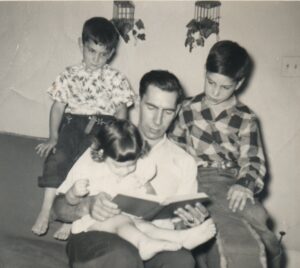 16 February 2026 –Why I’m Devoting Myself to Telling Stories
People have asked why I’m pouring so much time and energy into creating a podcast about my brother, Joel Moss. To some, it may seem unusual—maybe even odd—to gather stories from his friends, colleagues, and the people who knew him in ways I never could. But the truth is simple: even though we were siblings, the age gap between us meant there were entire chapters of his life I only glimpsed from the outside. I’m filling in those pockets now because I need to. Because Joel held—and still holds—a sacred place in my heart.
These interviews are not just recordings. They are my personal pathway through grief. They help me honor my relationship with him, even if no one else ever presses play. Still, I choose to release them into the universe, where they can live, breathe, and be found:
https://www.youtube.com/watch?v=1nXmyx9nV80&list=PLSdL23sBfggkA362CLYI_q95u-sEX2jHL
This morning, as I listened to another grief podcast, I realized something important: sharing Joel—and now sharing my husband, Richard—isn’t strange at all. It’s human. When you love someone deeply, when you respect them, when their presence shaped you, you don’t bury that. You carry it. You speak it. You let it live. There is life before and life after, and storytelling becomes the bridge between the two.
Keeping Joel and Rich alive in this way gives me hope. It reminds me that my life didn’t end when theirs did. Yes, I lost the physical presence of both of them, but I’ve gained something spiritual—an energy, an aura—that keeps nudging me forward.
Joel and Rich were complete opposites, yet both enriched me in ways I’m still discovering.
Joel questioned everything I did—not to judge, though he certainly could be judgmental—but to push me to think, to dig deeper, to grow. His questions shaped me into a more thoughtful, loving person.
Rich, on the other hand, believed wholeheartedly that once you were his friend, you were his friend for life. That was sometimes hard for me to understand, especially when it involved people who had hurt him. But Rich didn’t carry grudges. He taught me how to put down the heavy backpack of negativity I’d been hauling around for years. He made me lighter. Happier.
This is how I’m processing life before, with, and after. And the podcast I listened to today reaffirmed that what I’m doing is not only okay—it’s right. (check out Mandy Capehart – https://www.mandycapehart.com/ https://podcasts.apple.com/us/podcast/restorative-grief-with-mandy-capehart/id1583949156
I’ve committed to an online grief support group, to counseling, to coaching, and to staying open to the wisdom shared by those who read my blogs. I’m taking care of myself because Joel and Rich would never want me to hide under the covers and disappear from the life I can still live.
Yes, I’m vulnerable. Yes, I’m exposing myself to people who may misunderstand or accuse me of lying or “spewing nonsense.” That’s their choice. Not my truth.
This is how I grieve. This is how I live. And I refuse to get stuck, because the people I’ve loved and lost would never want that for me. I carry their legacies with me—every day, in every breath, in every story I tell.
Postcard (Through fear of grief we must move on.)
You’ve been gone
So I’m writing
There’ve been so many things
That have changed since you left
Met a person
It’s exciting
And I’d love you to meet
But I know that you can’t
So I guess I’ll just send
Postcards to heaven
Keep you aware
Of how it’s progressing
Wish you were here
Hope I can see you soon…
I guess I’ll just send
Postcards to heaven
Tell you the news
Of whatever happens
Don’t even know
Where to address them to
But I wish you were here
Hope I can see you soon
But the fucked up thing
Is I’m so scared to move on
Cause in grieving you
I get to keep you here
And I’m terrified
Of ever being happy
If it means I have to
Let you disappear
So I guess I’ll just send
Postcards to heaven
Care of a God
I want to believe in
Pray that he knows
To pass them along to you
Since I can’t hear your voice
I don’t know what else I should do
But I wish you were here
Hope I can see you soon
Source: LyricFind
Songwriters: Eddie Lee Anderson / Olivia Claire Rudeen
Postcards lyrics © Songtrust Ave
 15 February 2026 –The Work of Grief No One Talks About
When someone dies, grief isn’t the only thing that arrives at your doorstep. There’s the avalanche of tasks—paperwork, logistics, and decisions that demand attention long before your heart is ready. It’s overwhelming. It’s relentless. And some days, it feels like loss stacked on top of loss.
This week, I tackled the cars—transferring one, turning in another early. It was both physical and emotional labor, and strangely, it felt like losing something else along the way. Filing insurance claims has its own maze of rules, and if you don’t get it right the first time, you find yourself back in line, hoping the second attempt sticks. Social Security changes aren’t rubber‑stamped either. Everything takes time, patience, and a level of clarity I don’t always have.
The only thing I feel truly capable of right now is purging—clearing out what I can so the road ahead has fewer obstacles. It’s midday and I’m already exhausted. If it weren’t for Steve, I might be hiding under my bed. He’s incredibly organized, and when he sends me a to‑do list, I copy it straight into my calendar, so nothing slips through the cracks. I hope we can get through this phase soon because my “OCD tendencies” are starting to flare.
I’ve never been diagnosed with OCD, but I’m a doer. When there’s a task, I want it done now. The problem is that grief doesn’t care about my timelines. Sometimes I’m simply not ready, and that complicates everything. So, I’m doing my best to follow Steve’s lead—what to do, when to do it, and how to pace myself.
I’m grateful that Alex doesn’t have to deal with the red tape. He’s struggling in his own way. He used to tease us for being “old fogies,” but I think we both believed Rich would live longer. Rich lost his own father at 36 going on 37; Ed Hale was 77. The parallels for Alex are a little too close for comfort.
This weekend, I read about the different paths grief can take. Losing a parent is its own kind of heartbreak—you’ve known them your entire life, and even if you understand the circumstances, you may still feel angry, anxious, or abandoned. You also become acutely aware that you’re now the next in line.
Losing a spouse is different. It’s the severing of a deep emotional bond, the sudden loneliness of facing life without your partner. Even when you know guilt has no place in the story, you still find yourself wondering if you could have prevented the illness that took them. (I know I couldn’t have changed anything, but I still wish I had.)
I’m physically and mentally drained. I hear myself repeating the same stories, the same thoughts, and I know people must be tired of it. But right now, this is all I know. This is what’s real, even when it feels surreal.
What happened to the Karen who could binge‑watch Netflix on a Sunday afternoon? Now the sound of the TV feels deafening. I turn it off or mute it. Concentration is impossible. Distraction is my only companion.
Then, in the middle of all this, I got a call from an old friend—someone younger than me, someone I haven’t spoken to in ages. We’ve exchanged comments on Facebook and email, but hearing her voice was different. She shared her own life situation, and it reminded me how little we sometimes know about the people we care about.
She is one of the sweetest souls I’ve ever met, and I’m grateful she’s still in my life. Life hasn’t unfolded the way she or her partner expected, but they’re together, living fully, choosing joy where they can.
Before we hung up, I said something that surprised even me:
We can choose to be lonely and alone, or we can be alone without being lonely.
There is power in learning to enjoy our own solitude while building a circle of friends—our chosen family.
Through my writing, sharing, and connecting, I’m beginning to build that circle again. In time, I believe it will hold me, support me, and carry me forward until the day I join Rich in eternity.
And I do believe he’s watching. I believe he’s cheering me on as I take each step down this unfamiliar path.
 15 February 2026 – One Tough Day at a Time
Some days ask more of us than others. When I hit one of those days, I remind myself of something simple but grounding: it’s just twenty‑four hours. I don’t have to solve my whole life in a single sunrise. I just have to move through this day.
We attach so much meaning to certain dates. Valentine’s Day, for example, behind me—has never held much weight in my life with Rich. Our first anniversary was February 3rd, so if we celebrated anything in winter, it was usually closer to that. But truthfully, Rich always felt more connected to our July anniversary. If something special was going to happen, it was usually around July 15th.
We were never big on commercial holidays. Gifts and grand gestures meant less to us than the everyday moments—the touch, the laugh, the shared joke, the guffaw that still echoes in my heart. When I met Rich, he was in sales, and January through April were lean months. Money was tight, but love wasn’t. We learned early that meaning doesn’t come from a calendar.
The Firsts
This year, I’ve already lived through two “firsts” without him—our 42nd anniversary among them. We had talked about taking a spring trip to Niagara Falls or Jamestown, two places he loved. I didn’t expect anything on February 3rd, and I intentionally cleared my mind of the “what could have been.” As Valentine’s Day approached—my first weekend alone—I reminded myself that it wouldn’t have been a special day for us anyway. It would have simply been… a day.
Still, life has a way of nudging us. The day Rich fell ill; I bought a tiny Valentine decoration that reads Love Lives. Maybe it was a premonition. Maybe it was just instinct. Either way, it feels true.
Lifting the Fog
Yesterday began foggy and slow. I wrote. I purged. And purging, for me, is part of moving forward. Most of what I’m tossing is just stuff—things with no real meaning. When I find something that feels like Rich, I set it aside in a special pile. I’ll decide later what stays and what goes.
I’ve tackled storage areas, closets, drawers—places where things were tucked away “for now” and forgotten. With all the garbage bags and Goodwill trips, you’d think I’d see a dent. Not even close. Right now, my car holds six bags of clothing—his and mine—and I haven’t even touched our closets. Forty‑two years of life together creates a lot of layers.
But clearing the clutter is helping me feel closer to him. I can almost hear him teasing me about what I’m keeping or tossing. The truth is, he probably didn’t even know half of it existed. This—this sorting, this choosing—this is the gift I always wished he’d give me while he was alive.
To New and Old Friends
To those of you reading my blog, offering condolences, sharing your own stories of loss—thank you. Many have suggested support groups, spiritual communities, nature retreats. I’m grateful for every recommendation. And please know I’m not doing this alone. I have a grief counselor through Hospice of the Western Reserve, two grief coaches, and a circle of friends who have walked this same path. They help me see through the fog.
I’m also meeting new people—people I might never have crossed paths with a month ago. I’m grateful for the love and support surrounding me.
And for anyone who worries that I’m sharing too much, please understand we each choose our own road. I’ve always lived my life as an open book. It’s how I grow. It’s how I connect. My way isn’t for everyone, and that’s perfectly fine. I’m learning from you, too.
Special Days!
So how do I get through the “special” days? I remember that they’re just twenty‑four hours long, no less. Once the day passes, the anticipation dissolves, and clarity returns. Each time, it gets a little easier, even if a memory still brings a tear.
Happy Sunday. Make the most of your day.
 14 February 2026 PURGING
When I feel paralyzed, I do what I’ve always done: I purge. Clearing a space gives me the illusion of movement when everything inside me feels frozen. This morning, even though all I wanted was to crawl back into bed and disappear under the covers, that didn’t help. So, I found a corner of the office to tackle — sorting, tossing, rearranging — trying to make it feel a little more like mine.
The Michigan/UCLA basketball game is playing in the background. My oldest, is there in person (Go Blue), and I’m hoping he gets to witness a win. I’ve been a maize and blue girl my whole life, indoctrinated early by my family. But last August, I got pulled gently toward the scarlet and gray because my youngest works in sports at OSU. Today, though, since Michigan isn’t playing Ohio State, I can safely cheer for my first love.
I’ve been texting with friends and family just enough to soften the edges of the day. It’s beautiful outside, but I’m not ready to navigate the slush and icy patches. Instead, I’m appreciating the blue skies and sunshine from my office window.
This warm spell feels like a promise that spring is inching closer, even though spring in Cleveland can still bring cold winds and snow. (And honestly, I think we’ve had enough snow for one year.) The seven day forecast shows temperatures in the 50s and 60s before dipping back into the 30s and 20s next weekend. Punxsutawney Phil was right — no early spring for us. So, I’ll keep dreaming about the days ahead and prepare for the walks I know I’ll take when the weather finally cooperates.
For those who have asked: yes, we will be having a Celebration of Life for Rich. If you’re interested, please reach out to me directly. I’m not posting the details publicly — this gathering is for those who truly knew him, or knew Alex, Steve, or me.
Thank you for understanding and for helping us navigate this transition in our grief.
14 February 2026
 I feel paralyzed. My body moves — I walk, I talk, I function — but it’s all through a fog, as if I’m watching myself from somewhere outside of me. I’m doing things, but I’m not sure why or how. People say this is what living grief looks like: one step at a time, not always forward, sometimes sideways, sometimes nowhere at all.
There are moments when I want to scream that it isn’t fair, but I don’t know who would hear me. I understand the circle of life, the truth that when our time on earth ends, our bodies let go. But understanding doesn’t soften the memory of watching Rich slip into cardiac arrest. That image is etched into me. And yet, right beside it, I hold the pictures of him making those ridiculous goofy faces — the ones that still make me smile even now.
Watching him lie in a coma was peaceful and unbearable at the same time. I wanted him to open his eyes, grin, and say, “Boo, I got you!” the way only he could. My last goodbye, my last “I love you,” came when he was already halfway between here and somewhere else. And still, I can’t shed a tear.
I used to be a crier. As a younger woman, the slightest wrong look or misunderstood comment could send me into a flood of tears. Now, in the deepest grief of my life, I feel hollow. Not dry — just empty.
So, I keep doing. I fill the hours between morning and night with tasks, hoping exhaustion will finally let me sleep. It isn’t the empty bed that keeps me awake. It’s the search for the missing piece — the part of me that left with him.
I wonder when I’ll stop writing these heartbreaking thoughts. I wonder when I’ll truly see what’s happening around me. I wonder when I’ll feel like Karen again.
And then it hits me: this is Karen. This is who I am right now. This is what grief feels like in this moment. And as much as I want to outrun it, I know I have to accept that I am exactly where I’m supposed to be.
 14 February 2026 –A Valentine’s Day Love Letter to the Life We Built
It’s 7:10 on a Saturday morning. Valentine’s Day.
A day that, in our house, never quite followed the rules — and somehow that made it even sweeter.
I was blessed with a husband who told me every single day (and often many times a day) that he loved me and that I was beautiful. He didn’t need a holiday to remind him. Romance, for Rich, wasn’t tied to a date on a calendar — mostly because he lived his entire life without one. If flowers or candy showed up on February 13th or 16th, it wasn’t forgetfulness. It was simply that every day was special to him, and he never kept track of which one was supposed to be Valentine’s Day.
One of the last conversations we ever had still sits in my heart like a jewel. It was the day he slipped into a coma. A doctor came in, asking him the usual orientation questions. When he pointed to me and asked, “Who is that woman?” Rich answered, “My wife.”
Then came the shocker: “When is her birthday?”
And Rich — the man who never got it right — said, “March 4, 1950.”
I was floored. And so deeply touched. That moment will stay with me for the rest of my life.
Rich was always dreaming up big gifts, trips, and bucket‑list adventures for us. He grew up with a few extras, and he loved imagining what he could give me. But I never felt cheated when those dreams stayed dreams. Because what he did give me was far more valuable: his love, his loyalty, his friendship, and the comfort of being truly seen.
And since it’s Valentine’s Day, here’s a story from our very first one — when we weren’t even together.
We were in our first year of dating. Rich had a work trip to Vegas — a photo show, I think — and as he talked about it, I secretly hoped he’d ask me to join him. I waited for the invitation that never came.
Instead, as the date approached, he mentioned he might take someone else — a woman he had invited the year before. I was crushed. We were dating, somewhat exclusive, but not committed. I tried to be brave, but inside I felt the ground shift.
That weekend, he called her to confirm. She said no — she was dating someone else and hoping to spend Valentine’s Day with him.
I should have been thrilled. But the disappointment on Rich’s face kept me from celebrating. The weekend grew quiet. A distance settled in. I thought we were done.
He didn’t go to Vegas. He stayed home. I stayed home. And I assumed that was the end.
But on Monday, Rich drove all the way to Cincinnati — where I was living — under the excuse of “work.” Really, he just wanted to see me. To put Valentine’s Day behind us. To try again.
He didn’t show up with flowers or cheesy lines. But that visit was the beginning of the cheesy smiles I would come to adore — and the beginning of seeing the man he truly was: a good, kind human who learned to love me deeply.
And here’s one more story — one that still makes me laugh.
Rich never officially proposed. Not once. Somehow, a McDonald’s commercial interrupted his attempt, and we both dissolved into giggles. For the rest of our lives, every time a McDonald’s commercial came on, we’d look at each other and laugh, waiting for the proposal that never came.
Yet we married twice in the same year. And as of February 3rd, we would have celebrated 42 years.
When someone dies, they may no longer be here physically, but that doesn’t erase the life you built together. We didn’t separate. We didn’t divorce. We stayed together through everything. And I plan to continue being his wife — in love, in memory, in spirit.
So here I sit this morning, after another restless night, honoring my commitment to him.
Honoring the love that shaped me.
Honoring the man who never needed a calendar to remind him what mattered.
Happy Valentine’s Day, my love.
I’m still yours.
 13 February 2026 –When Someone Calls Your Grief “Diarrhea of Words”
Someone recently suggested I stop writing and posting what they called my “diarrhea of words.”
They said no one cared.
They said I was overexposing myself.
They even implied I was becoming “poor Karen.”
I brought this to my Grief Counselor and the two Grief Coaches I’m working with. Their guidance was simple: keep writing but choose where and how you share. So, I made a decision. I’ll continue to write publicly, but the full pieces will live on my website and blog, with only a link on my Facebook page. My story, my boundaries, my choice.
And here’s the irony: when I checked my website analytics, my traffic has increased by 60% in the last couple of weeks. People are reading. People do care. And a company even reached out asking if I’d consider freelance writing. So maybe it’s “diarrhea” to one person—but clearly not to the majority.
Yesterday, on the premiere of Find Your Way, Alison, Kristy, and I shared our raw grief stories and the tools we’re using to keep living. Loss comes in many forms—death, divorce, estrangement, losing a job, losing a home. But as long as we are breathing, we are alive, and we owe it to ourselves and the people around us to live.
We like to believe life comes with guarantees. Even the marriage vow “till death do us part” sounds like a promise—but sometimes we part before death. And when a partner or spouse dies, the world becomes surreal. Two people who lived as one suddenly become one again, and it feels unnatural. Even in disagreement, Rich and I always found our way back to the middle. That bond doesn’t disappear just because he’s no longer physically here.
It’s hard to believe that four weeks ago today was just a normal Friday. Rich didn’t have a project, so we planned to go grocery shopping together. At the store, he chose to stay in the car—nothing unusual, though something in me noticed it felt different. When I came back with a full cart, he opened the trunk from inside but didn’t get out to help. It was freezing and starting to snow, so I didn’t think twice.
As we pulled away, he asked where I wanted to go for dinner. I laughed—“Home, we have food in the car.” But he insisted I deserved to go out. He knew how much I disliked grocery shopping and putting everything away. So we went to the local deli, shared a sandwich, and he ordered his favorite mousse cake.
When we got home, he unloaded the groceries but immediately sat down, exhausted. Again, nothing unusual—he hated putting groceries away as much as I did.
If I had known he was getting sick, I’m not sure I would have done anything differently. With Rich, he either complained dramatically or brushed things off completely. That day, he brushed it off.
This past week, through counseling and connecting with other grievers, I’ve learned that my brain is trying to reconstruct the timeline—what happened, what didn’t, what I missed, what I couldn’t have known. It’s called grief brain or grief fog. The mind wants to understand how life changed in a blink, so it rewinds and replays, searching for the plot twist.
What I know is this:
My feelings are raw.
My feelings are confused.
My feelings are muted.
I keep waiting to hear my own voice scream, but so far, silence.
And still—I write.
Because writing is how I breathe.
Writing is how I stay alive.
Writing is how I honor Rich.
If someone doesn’t like it, they can scroll.
But I won’t silence myself to make someone else comfortable.
Not now.
Not in grief.
Not ever.
13 February 2026

What Am I Feeling
What am I feeling—
and what am I supposed to feel?
I am lost,
yet some internal GPS keeps nudging me forward—
or backward—
I can’t tell.
All I know is I am moving.
I think I’m depressed,
but I am not hopeless.
I think I’m depressed,
but I still want to live with purpose.
Is this how I should be feeling?
I lost my husband in the physical sense,
but I am still Karen,
his wife,
whether he is here or not.
We are connected
far beyond forty‑two years.
I believe in eternity!
I thought I would be sobbing,
rocking in convulsive pain.
I thought I would want to disappear,
to mingle with his ashes.
I thought my world would end with his—
and it hasn’t.
There are dreams to fulfill, not just mine but his.
I cannot sleep—
they say this is grief.
I feel brain fog—
they say this is grief.
I need to purge,
to clear space
for something unnamed.
I need to make things mine—
but I don’t want to lose Rich.
How do I do that without seeming unloving?
My tears are internal,
my smile or smirk the mask.
My body feels weak inside,
but outside I am ice.
My thoughts whisper:
Am I doing this right?
There is no right way to grieve—
only my way.
What I learned about grieving:
tears.
What I learned about grieving:
loss.
What I learned about grieving:
loneliness.
What I learned about grieving:
unresolved feelings.
I’m NOT READY…
I was not ready
to watch my husband die.
Life feels surreal,
like a dream I’m waiting to wake from.
Where am I?
I am on a journey I did not choose,
a path with twists and turns.
I am afraid of getting lost.
I can’t avoid it,
can’t go over it,
can’t go around it—
I must go through it.
The MUSTS!
I must feel,
even when I don’t recognize the feeling.
I must process my thoughts,
and for me that means writing,
sharing,
speaking truth.
I must give myself time and grace
to take one step at a time.
They say grief is the price we pay for love—
and I had a wonderful love.
His name is Richard.
 12 February 2026 Preparing -Find Your Way
As I am sitting at my desk preparing for the premiere of “Find Your Way”, I was thinking in the past I would give my husband a reminder that I was getting ready to record. Rich had the uncanny sense to call me during a podcast even when I had just told him not to call…
I so much want to remind him – but he’s not here.
I’ve been reading the comments from other wives who still are searching for their spouse, weeks, months and years later, it just doesn’t feel real and even though logically it is, our hearts continues to search.
This morning, I had a visit with my primary (Also Rich’s Primary) and he reviewed the medical notes on Rich as he counseled me. Rich had just been in his office 6 weeks earlier and he checked out fine. Maybe a little aloof but he also knew that was Rich’s personality.
As he read through the notes he is surprised that Rich took ill that quickly and his body shut down before treatment could take effect. His reassurance that based on the notes Rich did not suffer and the cardiac arrest is truly what caused his death a week later. We reviewed how his blood work was off the charts abnormal and lack of oxygen to his brain for even ten minutes would not have allowed for a full recovery. We both knew Rich’s wishes and the doctor offered me his observance as a blessing in disguise.
As a survivor we don’t like hearing phrases like that, but the truth is if Rich couldn’t have recovered in a way he felt whole and capable he would not have wanted to return as a different version of himself.
Each day I face my empty house, and I am trying to keep busy with work and purging. I am not throwing Rich away, just the junk like sample CDs that he collected as an IT Guy. I filled three full garbage bags with CDs today and the office is starting to look respectable. I hate clutter and working in this environment for 13+ years has been difficult. (I’m also seeing some hoarding on my part and cleaning that up as well.)
As I look around the office I have pictures of my guy and they make me smile, life may not have been perfect, but it was imperfectly perfect for us. I am grateful for the time we had together.
I am not Rich’s widow; I am Rich’s wife. I don’t like the term widow because it refers to a woman without her partner, but I still have my partner in my heart and at my age I am not looking for another partner…someday in the future I will reunite with Rich.
 12 February 2026 – Decisions – My Choice
Yesterday I made a few decisions—not dramatic ones, but deeply personal ones.
After a virtual session with my Hospice counselor, we talked about how writing has been my lifeline. It helps me make sense of what I’m living through, and many of you have told me that my words help you too. So, I’ve decided I will keep writing. I may not post every piece on Facebook, but I will continue adding them to my website and blog, where my full story can live without the noise of social media.
Before Rich died—and before one person’s judgment cracked my already‑thin veneer—I had been writing and sharing my life for more than nineteen years. I’ve taken courses, studied other writers, and shaped a style that feels like home to me. The love of my life, my partner in every sense, is no longer physically beside me. But I refuse to give up the passion that has carried me through every chapter: telling the truth of my journey.
I will do my best to write with compassion, to be mindful of the tender places in others. But I hope people remember that I am vulnerable too. I’m navigating this in real time, with a heart that is still raw.
Alongside my writing, I joined a Facebook group called My Husband in Heaven. For some, joining a group like that just two weeks after losing their spouse might feel too soon. For me, it was necessary. I needed to connect with people who understand this specific kind of loss. In April, I’ll join an in‑person group, and I hope to meet companions who can walk this path with me.
This isn’t the first time I’ve sought connection when life shifted beneath my feet. Soon after Alex was diagnosed with Asperger’s (Autism 1), I reached out to another mother and asked her to meet me for coffee. I needed someone who understood. Many friends and family members had pulled away—not out of cruelty, but because they didn’t know what to say or how to help. Autism was still so misunderstood then. Neither did this mom, her first comment to me was, “I would not have chosen you as a friend, but since your son is on the spectrum…” After that one coffee I never saw or spoke to her one-on-one.
Grief feels similar. When your family isn’t nearby and your closest friends are scattered across the country or the world, connection becomes virtual—texts, Facebook messages, phone calls. Rarely FaceTime. Rarely Zoom. And as I’ve read in this new group, we all miss the same things: the touch, the hug, the familiar annoyances that suddenly feel precious. [We didn’t choose to be part of a grieving group, many of us still feel like wife of our husband in heaven, but we are no longer seen or referred to as a wife, we now are labeled, The Widow.)
I’m fortunate that my sons come home on weekends. I get their hugs, their presence, their grounding energy. But they eventually return to their own lives, as they should. And the space they filled for a day or two becomes quiet again—too quiet, sometimes.
This is the landscape I’m learning to navigate: writing, connecting, grieving, rebuilding. One decision at a time. One day at a time. And always, always with love.
In April, I’ll be joining an in‑person grief group.
The old saying “birds of a feather flock together” has taken on a new meaning for me. It reminds me that I don’t have to walk this uneven, pothole‑filled road alone. Others have traveled it before me. Others are walking it now. And while each of our paths is different, a little guidance can make the next step feel less painful. If I make a few new friends along the way, that will be a gift.
Every grief coach, counselor, therapist, and seasoned griever repeats the same advice: “Don’t make any major decisions in the first year.”
Grief brain is real. Foggy thoughts are real. Distraction is real.
Yesterday was a perfect example. I had a simple plan: run a few errands before my audiology appointment. I went to the bank, then to the other bank. At Bank #2, the associate—someone who knows me personally—spoke with me about Rich. We even laughed about one of his classic moments. Then she came around her desk and gently asked if she could give me a hug. I didn’t realize how much I needed that human touch until it happened.
But when I got back into my car, I completely forgot about my appointment and started driving home. A quarter of the way there, it hit me—I’d made an “oops.” I turned around and headed back, but even when I arrived, I sat in the car for a few minutes trying to clear the fog. Until I walked through the door, I wasn’t entirely sure why I was there.
Grief brain hijacks us. It’s not imagined. It’s not weakness. It’s part of the process.
Last night, I recorded my monthly podcast with Cherished Companions. Doug Wilber, the host, is one of the most sensitive and compassionate people I’ve met. Before we started, he asked if I was truly up for it and gave me an easy out. I told him I was okay. Then he asked if we could shift the conversation away from homecare and talk about my current journey—what happens when someone dies suddenly.
Doug knows this terrain. His father died suddenly when he was only eight. Even as a child, he felt the weight of grief without having the language for it. He watched his mother navigate life with strength and grace, honoring her husband and holding her family together. Decades later, I could still see how deeply that loss lives in him—and how profoundly he admires his mother’s resilience.
I understand that power. I feel it every day.
And I also know this: if I let myself get pulled fully into the current of grief, I will drown.
I refuse to be taken under.
I am choosing, instead, to keep swimming—sometimes slowly, sometimes clumsily, sometimes with help from others who know this water. But always forward.
 11 February 2026 _ My Writing Continues
Today, my grief counselor provided valuable feedback on my blogging and journaling practices. If my writing unintentionally causes discomfort or leads anyone to feel personally targeted, I sincerely regret that outcome. Moving forward, I will take greater care to describe situations in a way that avoids identifying any individuals.
My counselor suggested I consider making my journals private or even turning them into a book—something people can choose to read or not. I’ve sat with that all day. And the truth is, I need to be honest with myself and continue living in a way that aligns with who I am.
I’ve spoken with people I deeply respect, and they’ve encouraged me to keep writing my feelings and experiences without attaching names. If someone sees their reflection in my words, that doesn’t automatically mean it’s about them. Instead of assuming, maybe consider how those same behaviors might be affecting someone else.
I’m not the only person navigating grief, and I don’t pretend to have answers for anyone else. I only know how I’ve handled—or avoided—my own emotions. From a young age, I absorbed the belief that I had to be good, had to fix things, had to hold everything together. No one told me that directly; it’s simply what I internalized. But when we’re busy fixing, we often forget to check in with ourselves or question whether we’re actually helping.
Over the past couple of months, I’ve poured energy into helping someone else solve their problems. In doing so, I lost track of my own path. I ended up needing support myself, but because I’m the “doer,” I didn’t know how to ask for it—or how to accept it.
Grief brain has been getting in my way, and talking about it helps me understand the missteps I’m making. If sharing those mistakes helps even one other person feel less alone, then that gives my pain purpose. And purpose matters.
Moving forward, I’ll simply post the link to my journals. If you click it and choose to read, that is your decision. If you don’t, that’s fine too.
You don’t have to agree with the path I’m walking. But you don’t have the right to judge me or spread lies about me. My journey is mine. My feelings are mine. And my voice is mine.
 11 February 2026 – Controversy is part of being human. So is judgment. None of us—me included—are immune from believing we have the authority to tell others how to think, how to behave, or how to live a “better” life modeled after our own choices. But when I write on my page, my blog, my website, that is my freedom of speech in action. My words are my reflections, not directives.
If you happen to see yourself in something I write, it may be coincidence—or it may be because you share traits with many others I’ve encountered over the years. I don’t write about individuals unless I have permission.
I’ve been writing publicly for more than a decade. I’ve grown, stretched, matured, and carved out a sense of purpose through this practice. Sometimes I hit a nerve—often my own. Writing is how I process, how I heal, and how I make sense of the world. It’s not for everyone, and it doesn’t have to be.
If you believe my work is “diarrhea” or “bullshit” or attention‑seeking, then do both of us a favor: don’t read it. Don’t follow me. My writing is for me and for those who understand it, appreciate it, or use it as a catalyst for their own growth.
Last night, after a particularly harsh comment, my son Alex talked me off the ledge. He reminded me that trolls exist—people who prey on vulnerability because they don’t know what to do with their own. He asked me a hard question: Did you write your last post to intentionally hurt someone? My answer was an immediate and honest no. I wrote it because I was hurt. I wrote it because I was vulnerable. He asked if I’d consider taking it down. My first instinct was to refuse. Then I chose to remove it—not out of guilt, but out of clarity.
My writing is not meant to hurt, judge, or condemn. It’s meant to illuminate. To question. To teach. To heal. If you read something and immediately announce to the world that it’s about you, perhaps the more important question is: Why do you think that? And if you choose to contact me with incoherent rage, you’re not resolving anything—you’re escalating it. And it’s entirely possible the post wasn’t even about you.
I know trolls exist. I know negativity exists. I’ve learned to block, delete, and move on.
And yes, I am grieving. Grief brain is real. It twists your thoughts, fogs your clarity, and sends you down dark, winding paths you don’t always recognize until you’re halfway through them. That’s not an excuse; it’s a reality. I stand by my writing because it reflects what is true in the moment.
Grief isn’t only about death. It shows up in endings, transitions, betrayals, disappointments, and the loss of expectations. It affects each of us differently. I’ve been told that when I’m grieving, I’m a “bitch.” Maybe I am. I’ll be unpacking that in therapy today.
I’ve also been accused of acting like “Poor Karen.” Well, guess what—I have every right to feel like that sometimes. Feelings are not crimes. Emotions are not character flaws. They are human.
And last I checked, being human is still allowed.
8 February 2026 – Exhaustion, Grief, and the Slow Work of Finding My Way
I’m exhausted.
When someone becomes ill and dies, the body shifts into survival mode long before the final breath. From the first symptoms to the diagnosis to the end, adrenaline takes over. You keep moving, doing, deciding—often without full clarity.
These last three weeks
I’ve been functioning, but not with the sharpness I once relied on. In our marriage, I was a decision maker, but I often deferred to Rich because his choices usually aligned with mine. It avoided unnecessary disagreements—normal, natural, expected. Now every decision lands squarely on me, and the weight of that is real.
Every grief professional
clergy included—will tell you that whatever you’re feeling, whatever detours you’re taking, are to be expected. There is no prescribed timeline. But as a lifelong doer, I instinctively try to create one anyway… until exhaustion reminds me I can’t.
I’m beginning to understand the purpose of burial rituals and send-offs.
They aren’t for the departed.
They’re for us—the ones left standing.
In the early days,
People gather around the griever, pouring out memories and love. But with each passing day, the griever begins to feel like they’re standing on an ice floe drifting out to sea. Even the life jacket—support, routine, faith—feels loose. You feel yourself slipping under.
This is not my first loss.
I’ve said goodbye to grandparents, aunts, uncles, friends, and my parents. Each loss carried its own ache. But losing Rich is something entirely different. It is its own category of grief.
The loss of a spouse is a life-altering rupture.
For me, it began with shock—and I think I’m still there. I feel anger. I feel a deep sadness that only writing seems to touch. I feel loneliness even when I crave solitude. Expressing my emotions and leaning on support will help me adjust, but right now, it is simply exhausting.
The last couple of weeks have been filled with paperwork
I thought was perfectly organized, only to discover missing pieces. I’ve also been sorting through my “computer brain,” trying to understand how I got here—because grief is always, in part, about the survivor. The survivor must choose to live.
Today I learned about the “40-day rule” I
n some cultures—the belief that it takes 40 days for the soul to reach the afterlife. I grew up with Shiva, a seven-day mourning period where visitors come to share memories and pray. In observant homes, mirrors are covered to shift focus from the physical self to inner reflection
 7 February 2026 –When you wake up in the morning, what’s the first thing you think of?
If you’ve been reading my blogs, you already know where my mind goes. You may even be tempted to stop reading because you can predict the next sentence.
Yes, I wake up and immediately feel the truth of another day without Rich.
Once I acknowledge that reality, I put my feet on the floor, head to the bathroom, and then make my way downstairs to brew my morning coffee. Some days I unload the dishwasher I ran the night before. Other days I move slowly, almost mechanically, waiting for that first cup that jumpstarts my day.
People keep asking if I’m taking time to grieve, if I’m caring for myself. So let me answer clearly.
YES—I am grieving, and I am living in the way that works for me.
How I’m navigating this chapter
- A funeral or celebration of life might eventually help me find closure, but the time isn’t right yet. That means some of the rawness lingers, and that’s okay.
- My sons have stepped in with strength and tenderness, helping me handle the necessary conversations and map out a plan so I can live independently—while knowing they will never let me fall.
- My work—what I love—is cathartic. I’m fortunate to choose what I do and how I do it. Routine gives me structure, and structure gives me steadiness.
- Self‑care matters. Showering, dressing, eating well, moving my body, resting, breathing. Even working from home, I’m still showing up on Zoom, still being seen. I want to look good because looking good helps me feel good.
- And yes, I can still feel happiness. Not happiness about the loss, but happiness within myself.
- I’m learning to use my words with intention.
- No doesn’t have to be harsh, but it does have to be honored. I’m not responsible for making someone feel better on their timeline. Sometimes solitude is my safest companion.
- Yes doesn’t mean accepting every offer of help. It means choosing what empowers me, what supports my healing, what aligns with my path.
- I’m rediscovering my core. I’ve spent a lifetime centering others, often questioning whether my choices were truly mine. I can still be compassionate without abandoning myself.
- What I feel today will shift tomorrow, and the next day, and the next. Allowing myself to pivot is part of living fully and mindfully.
What the last three weeks have taught me…
- Even when you listen closely and observe carefully, you never have the full picture. Doctors “practice” medicine for a reason—every human body is different. I thought I knew Rich completely, but he held something back. That was his choice.
- Anger is normal. It isn’t always blameful. If Rich kept something private, consciously or not, that was his right.
- The “what ifs” are human, but I refuse to take responsibility for what I could not know. I acted with love and intention at every step. When I stumbled, I learned.
- It’s okay to ask for help. It’s okay to repeat myself if repetition helps repair the cracks. I may skip a beat, but I’m working on a new rhythm.
- I’m the producer of my life, but sometimes you need a director—a therapist, counselor, coach, or trusted friend—to help guide the scene.
The Band‑Aid moment
For three weeks, my boys have been by my side, with only brief breaks. Tomorrow they return to their own lives, and part of the Band‑Aid gets pulled away. But I won’t be alone. They are a phone call away, and they will come back if I need them. Friends and family check in—by phone, text, email. My circle is strong, and if I need them, they will help keep me afloat.
What I’m asking
Allow me to create my own path. Offer guidance or suggestions without judgment, but please don’t tell me how I must navigate this ship. There are many routes, and I’m choosing mine.
As a new week begins, I’m hopeful that our new podcast series, “Find Your Way,” will give me more tools to heal. I want to grow my Life Coaching practice to help people—people like me—live their best lives. It’s not about six‑figure incomes or lottery wins. It’s about healing. It’s about choosing happiness.
If I can do it, so can you.
 6 February 2026 – I feel accomplished today—truly accomplished. And if Rich is watching, I think he’d be proud of how calmly I handled the latest round of tech chaos. My internet was working everywhere else in the house, but my work computer refused to connect. I powered up computer #2 and voilà—internet. Restarted the work computer—still nothing. After a little detective work, I found a message telling me to update my driver. I did, and voilà again, I was back in business.
Twice this week I’ve run into situations that would have had me yelling, “Rich, I need your help!”—sometimes waking him up, other times interrupting his beloved MeTV. His go‑to solution was always a restart, and when that didn’t work, I’d get antsy waiting for him to swoop in.
The other day, while cleaning the office, the backup battery system went into full alarm mode. I couldn’t silence it without unplugging it and letting it die. That meant rerouting cords to another outlet—something I would have begged Rich to handle. Instead, I did it myself. Problem solved. I’ll let Alex and Steve decide the fate of the battery backup when they get here.
Do I wish Rich were here to fix these things? Absolutely. But I’m grateful he always encouraged me to be a detective first, to try, to learn, to trust myself. There were times I wanted him to just take over, but now I see he was preparing me—quietly, consistently—to stand on my own.
The changes in my life over the past three weeks have been seismic. I’m still in the early stages of what feels unfair, overwhelming, and surreal. Decisions I was already making before my world pivoted now feel heavier without my buddy to confirm them. I have my sons, and I’m grateful for them, but I’m also learning to rely on me, myself, and I.
I’ve never liked total darkness at night. When I’m alone, I always keep a night light or lamp on somewhere. Now I sleep with one hearing aid in, because silence feels as unsettling as darkness. I’m finding the tools I need to feel safe, grounded, and okay.
When this nightmare began, I didn’t think I’d ever feel comfortable alone in this home. When Alex left last week, I braced myself for loneliness, fear, the urge to run. Instead, I found comfort in the home Rich and I built almost nineteen years ago. I know he’s here—not in a way I can see or hear, but in the energy he left behind. I keep waiting for his voice telling me not to throw something away because “you might need it,” but instead I feel him giving me permission to let go of the things that weighed us down.
How many flash drives does one man need? Why were we keeping software from the 1980s for computers we no longer own? When in doubt, I move something from one place to another until I’m ready to decide.
And I’m not innocent either. This morning, while making coffee, I opened a cupboard and found mugs and plastic cups I put there when we moved in—May 2007. They’ve never been used. I sorted through them and now have over twenty to donate to Goodwill.
I used the word accomplished, and that’s exactly how I feel. Clearing physical clutter is clearing mental clutter. It’s freeing. And I want to make sure I have space—literal and emotional—to carry Rich with me as I forge this new path.
What unfolded three weeks ago was beyond my control. I’m human. I could only respond to what I saw in front of me. Maybe I tried to redirect him when I noticed things, but he was an adult making choices with the information he had. I can second‑guess myself or be angry with him for dying, but I’m finding comfort in the truth that life and death aren’t always choices we get to make.
Thirty‑eight years ago, we learned that creating life wasn’t as easy as we imagined. After months of disappointment, we began IVF and faced more heartbreak. The night before our final attempt, I was molested by a doctor. I didn’t want to go through with the procedure the next day, but Rich held me with love and kindness, and we moved forward together. Nine months later, Alex was born. That was a choice we made side by side.
Nothing in life is perfect. We have limited control. We make choices, but the universe keeps spinning, handing us challenges wrapped inside the opportunities we create. And here I am—still choosing, still learning, still moving forward.
 5 February 2026 – MY CHOICES
I am choosing to steer my grief, not be steered by it. I’m deeply grateful for every friend—near and far—whoever has reached out, but I also need to choose when and how I respond. Sometimes that will be a text, sometimes a call, and sometimes it will go to voicemail. I’m doing well, and I know each day will get a little lighter, even as I miss my favorite friend—the man I chose to love for more than 42 years.
When I met Rich, he still carried feelings for past girlfriends, especially the ones who walked away. One of the things I admired most about him was how fiercely he loved his people. Once you were his friend, you were his friend for life. From the beginning, I lived alongside the ghosts of his “what ifs,” especially one woman he spoke of even near the end. But there was never a question about his love for me. He chose me, he stayed with me, and he honored our vows until death parted us. I could have walked away early on, but I chose to stay because I had the love of Rich—and that was worth everything.
Each day I take one step closer to my tomorrow. It could feel empty, but I refuse to live with a half‑empty cup. Mine is overflowing with love, hope, and the promise of new memories with family and friends.
If you are one of the friends I haven’t spoken to yet—please know this isn’t rejection. I’m giving myself the space to grieve and to grow in my own way. I write about Rich because it comforts me, but I don’t want every conversation with you to revolve around my loss. I want real conversations, renewed friendships, and connection that isn’t defined solely by grief. That means I may need time and distance, and I hope you’ll allow me that grace.
I’m spending time with my sons as they navigate their own grief and build their own path forward. I’m blessed that they love me, support me, and want me to keep living my life fully.
After this weekend, I’ll likely be on my own until the end of February. I’m okay with that. I’ll keep working—podcasting, writing, coaching—and I’ll reach out to family and friends as I need to. Eventually I’ll get out more (winter and I are not friends), and I hope to meet new people and build new relationships that fill the spaces loss has opened.
There is no timeline for grief, but those who know me know I’m a doer. I can’t sit still and wait for healing to arrive. I’ve already begun the process, and I intend to keep moving forward.
Feel free to comment, IM, text, or email. And if you call and it goes to voicemail, please remember—it’s not about you. It’s simply where I am in that moment.
 4 February 2026 STOP JUDGING
Why do we assume we know how someone else should be living their life? And why is it so easy to judge others when we bristle the moment that judgment comes back our way?
What I’ve learned as a podcaster, writer, and life coach is this: choosing to be vulnerable—choosing to share your story—does not grant anyone permission to tell you how to live your life. Openness is not an invitation for control. It’s an invitation for connection.
Today I feel blessed—a word I seem to be using more often these days. My recent podcast conversation with Samantha Kane, Roots, Wings, Wellness: Higher Impact for Humanity (https://youtu.be/cOIy18UltYk), offered a kind of support I didn’t expect. Although, if I’m honest, I often discover new layers of myself while recording.
Samantha shared a powerful image: standing with your feet firmly planted in purpose while staying aware of everything happening around you—feeling it through all your senses. That is exactly where I’ve been living these past months. First the sudden loss of my brother Joel. Then the health challenges with my brother Gary. And most recently, the unimaginable—losing my husband. I feel grounded and unsteady at the same time, solid beneath my feet yet emotionally out of place.
Samantha held space for all of that. She offered safety, presence, and understanding. And I believe that’s who she is with her clients as well. If you choose to connect with her, you’ll be in good hands.
Often we become our own harshest judge and jury. We let that inner voice deliver a steady stream of negativity, drowning out our own kindness. The real work is learning how to interrupt that voice—how to build an inner strength that offers acceptance, compassion, and the courage to learn from our missteps.
After my recent podcast, I found myself saying out loud something I had only quietly carried: I now recognize there were signs—emotional and physical—that may have contributed to my husband’s sudden death. But I also know that judging myself or replaying what I “should have” done will not change the reality that he developed COVID and pneumonia. The coulda/shoulda spiral is powerful, and it can eat away at us if we let it. I am doing my best not to fall into that trap.
Lately, social media keeps asking, “What is one thing the world needs right now?” My answer is simple: kindness. If we can truly cultivate kindness—toward ourselves first, and then toward others—we create the conditions for peace. It starts with each of us choosing to release the harsh judgments that are tearing us apart.
Begin today. Begin with yourself. And let the kindness ripple outward.
 4 February 2026 –Sharing Our Stories, Even When They’re Messy
Have you noticed how Facebook has become a kind of communal walking stick for so many of us as we stumble along the path of life? Our stories may not mirror one another, but there’s a shared vulnerability in the way we write—raw, unfiltered, and sent out into the universe with hope that someone, somewhere, understands.
My mother used to warn, “Don’t hang out your dirty laundry for the neighbors to see.” But hiding our truths doesn’t protect anyone. In fact, it often hurts us—and the people we touch—far more than honesty ever could.
When I share openly, I learn from my own words. That’s how I process. That’s how I breathe.
Rich was never an open book. He held more inside than he ever let out, always putting on a happy face so he wouldn’t burden anyone. I believed he was fully transparent with me, but now I see he was holding back. No one becomes sick that quickly if everything inside is truly well.
I feel flashes of anger that I didn’t push harder, ask more, insist on answers. But I’m not blaming him, and I’m not blaming myself. If he held back, I believe he did it out of love—for Alex, for Steve, and for me. He never wanted us to feel responsible for his health or his happiness, even though I always saw caring for him as part of my role as his wife.
These past two weeks have taught me something I wish I’d learned earlier: we are responsible only for ourselves. Others influence us, yes, but our choices are our own.
And I am not alone. I am far from the first wife, partner, or spouse to walk through this kind of loss. As I share my story and others share theirs, I can feel the healing happening in real time. I can even laugh—really laugh—at the absurdity of what Rich left behind. My Pain‑in‑the‑Ass Packrat seems to have owned more flash drives and video cards than Amazon. Everywhere I turn, there’s another one waiting to be discovered.
Steve, my oldest—though not Rich’s by blood—has become my rock. He’s stepped into the role of legal advisor (even though it’s not his field), and his organizational mind is helping me rebuild a foundation. My youngest is finding his own way of supporting me, and the mother in me still wants to protect them both.
But we can’t protect anyone from death. It’s part of the life cycle we’re never truly ready for. Sometimes we get a warning, and we cling to prayer and hope for a miracle. When the miracle doesn’t come, some of us leap forward into action while others freeze in place.
A few people have suggested that I’m overthinking all of this or hiding behind my words. The truth is the opposite. Writing these blogs is how I process, how I make sense of the chaos, how I build my roadmap to whatever comes next.
This is my way. And I’m not apologizing for it.
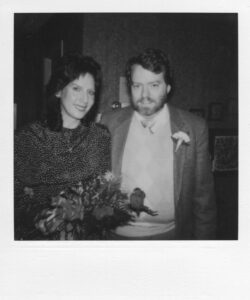 3 February 2026 – 42 Years Ago, Today
Forty‑two years ago today, Rich and I were married for the first time—married to each other, that is. After living together for almost two years, we made it legal. Rabbi Eisenberg (of blessed memory) officiated, and Debbie and Dave Meredith stood beside us as witnesses.
No one knew we were getting married. But with my ex suddenly trying to change our custody arrangement, we decided our partnership needed to be recognized—at least in the eyes of the court.
We renewed those vows on July 15, 1984, surrounded by family and friends at the Quaker Square Hilton. From that point on, we celebrated both anniversaries. Not exactly traditional, but then again, neither were we. February 2 was usually cold and snowy, and since neither of us were winter‑weather people, celebrations often waited for warmer days. We weren’t gift‑givers either, but every year there were hugs, kisses, and the same whispered promise: “Not counting tomorrow.”
Our Unconventional Beginning
On our wedding night, still dressed from our tiny ceremony, we took Steve—then nine years old—to Otani for dinner. He had no idea it was a celebration until the following week when we walked into court.
Once the judge affirmed my parental status, we began planning our July wedding. Rich chose the date himself. He wanted something memorable, and he picked July 15 because it was the release date of The Seven Year Itch, starring his Hollywood idol, Marilyn Monroe.
When we looked at venues, he wanted a place that would still be standing decades later. The old Quaker Square silos‑turned‑hotel fit the bill. It has changed purposes over the years—from hotel to University of Akron dorms—and now it’s preparing for yet another transformation. Life evolves, and so did we.
The Life We Built
Our time together began with challenges, and we faced every one of them side by side. Looking back—especially over these past two weeks—I can see the early signs that something physical and emotional was shifting in both of us. I’ve always been the talker, the writer, the resolver. Rich would voice concerns but rarely take the next step unless nudged… or, as I often teased, nagged.
The old Karen would be sitting here blaming herself for not doing more. But I’m not doing that. I know I was a good, loving partner. I pushed and pulled when needed, and I stood back when dignity required space. Some things love cannot fix. The prostate cancer and the radiation after‑effects stole pieces of Rich that neither of us could reclaim.
A Lesson That Stayed with Me
When I was a junior in high school, I joined the debate team. We prepared meticulously, entered the competition confident—and lost. I was devastated. I told my coach, “It’s not fair!” He agreed but reminded me that life isn’t always fair.
That lesson has stayed with me for sixty years. When life tilts toward unfairness, I have to refocus on the good, find the silver lining, and refuse to fall into the pit of woe is me.
Today, I Choose Celebration
So today, I’m choosing to celebrate forty‑two years of marriage.
At 4 a.m., when I woke up in the quiet of the house, I wished Rich a Happy Anniversary.
We are still together—just in a different way now.
And in my heart, our story continues.
2 February 2026 – Another Monday morning and I am working on embracing the day. I am not expecting sunshine in the sense of the word with the rays from the fireball in the sky to warm and meltdown the cold white snow. But I am determined to see and feel the sunshine from behind the cloudy skies and produce my own internal warmth and optimism.
Last week I shared my dislike for Mondays as I have lost some very important individuals in my life on this day of the week. However, I am making a pledge to myself to see beyond the day and carry those memories with me as I continue to live with purpose.
On various occasions in the best, I wondered how I would react to the illness and or death of my husband, I never thought I would feel so solid even as my emotions chip away very slowly at my veneer. No, I am not holding back or stopping the sadness often associated with tears to appear. I am finding some humor in my loss…
An example of the humor…I knew even before I moved in with Rich he was a packrat and from day I tried to rid our home of ‘things’. Occasionally I could get Richard to tackle his desk, a box or a corner of the office, but more often than not he found more reasons to keep something instead throw it way. The little he disposed of I would celebrate it as a start, but with time that spot accumulated more.
Looking around our shared office space has been difficult for me because I will declutter regularly as my area accumulates. When Rich was in the hospital I declutter bits and pieces hoping it will rial him – he always had a second sense of me throwing ‘things’ out. Today I believe Rich gave me a gift the opportunity to remove what feels like garbage while keeping him close and hearing him say, “I may want/or need that!”
As my son Steve and I started sorting out bills, preparing a budget so I could be clear of where I am today and how I will meet my tomorrows, we found more clutter in expenses. Nothing bad/terrible but subscriptions I didn’t know we were paying monthly as some went to his credit cards (all I knew was he had credit card balances we were paying). Some of these I knew he had but didn’t know they were current. One such one was ADOBE at $70+ a month. When we were doing photography yes we used the product but that goes back at least 9 years. Why did he continue it? You know the answer, “Just in Case!”
Another subscription was Ancestry – I know we bought it over 18 years ago and when we got the basic information we chose to look up – I thought it had been cancelled, obviously it hadn’t been and billed to a card that was in his name, his expenses not mine. I am no longer carrying that subscription for him, there is no “Just in Case!”
If you are reading this no matter where you are in your journey whether single or in a relationship, honest with yourself and pare down. Things don’t really provide us comfort and security especially when you don’t even know you have it.
On Wednesday Rich and I will be married 42 years, and we were together for another 2. That is a lot of accumulation- things we brought into the relationship and what we added.
Rich was good at throwing out the memories or thoughts that did not fulfill him. Rich did not carry a grudge and did not carry someone else problems in his backpack. The intangibles were easier for him to discard…I was his true opposite in this area of life.
As I walk this new path I am determined to do it in away that honors the life we created together despite the differences, the bickering that often made us stronger as a couple, and learning that love has many facets. We may not have looked like the perfect couple, had the perfect life, and what I thought would be the perfect loss (is that such a thing?), we complimented each other and even in death we will continue along that brick road, not paved in gold.
Grief is real and it plays out differently for all of us.
My oldest son Steve has jumped into the role of controller in a positive way. His legal expertise and organization help guide me through my tasks with calmness, not anxiety.
Alex my youngest provides me with humor and stories that he needs in his healing process and I am learning to listen like a mother, not a coach or someone who may know the lessons he is providing me.
I read an article the other day of a woman who got angry with her own emotions after losing the love of her life. Similar to me no tears. Similar to me starting thinking about the declutter. Similar to me fearing fear, not just aloneness. Similar to me expecting to be haunted by her home and finding it a shelter and nothing more. Similar to wondering what other people are thinking…
I know the tears will come, they may appear in waves of sobs, or a single tear rolling down my check. I know the intense loneliness will appear and if I am not prepared it could break me, but what I have witnessed from women before me (my mother-in-law and mother) there is a way to survive those feelings, I must create that path!
On this Monday morning, February 2, 2026, I am preparing to meet my challenges and accept their will be obstacles along the way. However, I am tackling some of those unpleasant tasks that need to get me through to the next step. I am slowly re-introducing myself back into my work with podcasting, with shows scheduled for Tuesday, Wednesday & Friday.
My tasks outside the home may be limited or rescheduled based on the impact of winter weather. I am learning to be honest with myself that I have the ability to be positive and make my loss ignite the best of me. Yes, Rich will be with me. He deserves to enjoy this journey with me.
Today we are married 15,341 days Not Counting Tomorrow = 42 Years.
https://www.youtube.com/playlist?list=PLSdL23sBfggkOWP1xXVz9S_qQ6xQjrbp6
 1 February 2026 – Tonight are the Grammy Awards, and with a mix of pride and heartbreak I’ll be watching as my brother, Joel Moss, is honored in the In Memoriam segment for his extraordinary contributions as an American sound engineer and record producer.
(https://www.recordingacademy.com/press-room/in-memoriam)
To the world he was Joel Moss.
To me, he was Joel… or Joelie… or Yosef, his Hebrew name.
This evening is heavy, as most evenings have been lately. In just four months, I’ve lost my big brother and my loving husband—two men who shaped my life in ways I’m still discovering. Their absence is profound, but so is the love they left behind. I’m choosing, every day, to live as fully as I can and carry them with me in thought and spirit.
My sons have been remarkable—showing up, stepping in, and supporting me even when I insist I can manage on my own. There’s a new closeness forming between us, and I’m deeply grateful for it.
And yet here I sit at my desk on a quiet Sunday evening. Not long ago, this would have been a typical day: me tucked away in the office doing work while Rich watched his MeTV shows downstairs. Around this time, 5:30p.m. or so—I’d head down to make dinner, even though cooking had become more of a chore than a joy. Still, every night, without fail, Rich greeted me with, “Hi, Beautiful.”
That won’t happen tonight.
This weekend, Steve and I tackled the mountain of paperwork that comes when someone you love dies. It was overwhelming, but he guided the process with such care, and I made sure I understood each step. When he left for the airport, the silence in the house felt enormous. I called Alex, who distracted me with his usual antics, and it was exactly what I needed.
I’m staring down a week alone. And yes—the deli tray arrives tomorrow. So, if any of my local friends are reading this, please call or text and come have a nosh. I refuse to let good food go to waste.
I’m easing myself back into work this week with a couple of shows I plan to record and produce. Just dipping my toes back in for now, knowing that eventually I’ll be ready to swim a marathon again.
The boys may come back next weekend to help with more organizing and decluttering. As the song says, I’m looking at both sides now—trying to see my life from every angle before making any big decisions. Decluttering has been calling me for months, so that part feels easy. Yesterday I filled another Goodwill bag, and this morning I cleared out old magazines. Maybe I’ll do more later, maybe not.
Tomorrow is Groundhog Day, and I’m fully expecting that pesky Punxsutawney Phil to see his shadow and doom us to six more weeks of winter. I’m just hoping they’re mild weeks—no more snow, please.
Today’s update is short because I’m preparing for tomorrow and the long list of tasks ahead. As I learn this new landscape—this strange, unchosen path—I hope the lessons, shortcuts, and small discoveries I gather along the way will help someone else someday. None of us need to reinvent the wheel.
#yesican Coaching with Karen
 31 January 2026 – Routines: The Threads That Hold Us – Routines have been woven into my life for as long as I can remember. I didn’t think about them as a child—I just did them. Over the years they shifted, stretched, and reshaped themselves as life changed. I’m no longer racing to catch the school bus or waking up early to feed my boys before heading to work. But for many years now, my mornings have begun the same way: a cup of coffee, my desk, and a quiet moment to prepare for the day ahead.
That simple ritual is still here, even with the missing piece beside me. My other half, Rich, whose days I often helped orchestrate. He never kept a calendar; time and dates were a jumble in his mind. I was his reminder, his organizer, his keeper of what‑needs‑to‑happen‑next. I admit there were moments when I resented that role. But today? I would give anything to step back into it for him.
Now I’m learning how to be responsible for myself in this new landscape. Steve, my oldest, has become my extra set of eyes and ears as I navigate the mountain of paperwork that comes with loss. Life insurance doesn’t magically turn into a check overnight, and the human voice has been replaced with virtual assistants. I’m computer‑savvy, but I have no patience for AI guiding me through one of the most vulnerable moments of my life.
As I move through this process, I’m realizing something bigger: I have a purpose in helping others navigate this same messy, painful, bewildering terrain.
We will all face death—of someone we love, and eventually, our own. One of my greatest fears has always been dying alone. I tried to spend as much time as I could by Rich’s bedside, whispering love and compassion into the quiet, hoping he heard me. His passing happened too fast. In some ways, yes, he died alone. But in my heart, I was holding him tightly.
This past week has shown me how little control we have over our final breath. Somewhere, somehow, the ending is already written. But until that moment arrives, living fully is a choice.
I talk often about choices—what works, what doesn’t, and the courage to change direction when needed. Two weeks ago, I still had the choice to be nurse‑wife. When I realized I could do no more, I made the choice to take Rich to the ER. And you know the rest of the story.
My morning routine helps me start each day, even when the grief feels like a weight strapped to my chest. Sometimes I sit here at my desk and pour my heart into these words because writing heals me. And if even one person finds comfort or connection in my journey, that brings a warm smile to my heart. I’m the authority on my own experience—I don’t expect my path to be yours. But if something here resonates, then we’ve created a human connection, and that matters.
I still catch myself wanting to call Rich, as if he’s just out of town on a work assignment. I want to tell him that Alex called last night—Akron beat Kent State by 17 points. Akron sports were their thing, especially football, which often resembled the Cleveland Browns in all the ways you can imagine. I know I can’t call him anymore, so I send the message in my thoughts and trust that he hears it.
Today, Steve and I are tackling the hard stuff: insurance paperwork. Those monthly payments will stop, and eventually the policy will help me move forward. But this step is another finalization, another acknowledgment that life has changed.
I’m making lists—what needs to be done, what I’ve already handled, where I am in the process. Organization has always been one of my strengths, and right now it’s a lifeline.
Next week, I’m easing back into podcasting and coaching. Some people tell me to wait, to take more time. But what would I do with that time ? Rich would never want me sitting around binge‑watching Netflix… I already do enough of that.
Today, I’m noticing a familiar sensation—one I’ve felt in the past when anxiety and overwhelm collide. A gnawing in my gut, heavy and cold, even as the rest of me feels numb. I know it’s grief, and I don’t like it. I find myself trying to outrun it, ignore it, out‑organize it. But grief has a mind of its own. Right now, it feels like it’s laughing at me, saying, “Sorry Karen, put on your big girl panties and hurt.”
I’ve said before that I’m afraid of being afraid. I’m used to having control. And now, in hindsight, I think I finally understand what Rich was feeling in those months before COVID took him down. That gnawing sensation is shining a harsh light on everything, pushing the ache deeper.
This is where I am today. Still waking up. Still making coffee. Still writing.
Still choosing to live, even when it hurts.
 30 January 2026 Dinner with my oldest son was… strange.
Strange without his brother.
Strange without Rich.
Strange in a way that made the room feel both full and hollow at the same time.
When 2026 arrived just a month ago, I never imagined my life would shift so dramatically. I keep saying I feel too calm, too accepting of losing my husband. I keep waiting for the pain, the loneliness, the collapse. They call this shock, but I’m functioning—maybe over-functioning—and every grief specialist tells me I’m doing this the “right” way, my way. But I still wonder.
Where does all that love go?
I used to miss Rich when he was simply in another room. Now he’s in another realm—untouchable, unseen—and yet I feel him close, watching over me, keeping me steady. Is that real, or is it my heart protecting itself, creating a story so I can keep breathing?
There was a time when my emotions were so fragile I cried over everything. Alex called it my “baby deer syndrome.” Now I feel almost… intact. As if I’ve wrapped myself in a protective shield. I don’t want to hurt. I don’t want to feel the sharp edges of this pain, even though pain is part of the truth.
How do any of us process loss—not just of a person, but of anything that once held meaning? I’ve always processed by sharing my vulnerable thoughts, by ripping off the bandages before the wound has even healed. Rich was the opposite; he waited until the bandage loosened on its own. We were different that way, and yet we fit.
Tonight, I stepped outside and looked up at the big, beautiful waxing gibbous moon with Jupiter glowing just beneath it. Something in me was drawn to the sky, maybe searching for a sign from Rich. But why do we imagine heaven is above us? I think it’s everywhere—woven into the air, the light, the quiet moments we overlook until loss sharpens our vision.
For a girl who didn’t date much and struggled to feel appreciated, finding Richard was the icing on the cake. Sharing my boys with him in this imperfect world was a gift I never took lightly. Sometimes we don’t fully understand what we have until it’s gone.
But I haven’t lost him. Not really. We didn’t give each other up. We’re just following different road maps for now, and I trust they’ll lead us back to one another someday.
So yes, dinner felt strange tonight. But it was also a step—one small, necessary step—into whatever comes next.
 30 January 2026 – Two weeks ago,
it was just an ordinary, cold January Friday. I had only one podcast scheduled, which ended up being postponed because my guest wasn’t feeling well. With my day suddenly wide open, I suggested to Rich that we go grocery shopping in the afternoon.
Rich had a love–hate relationship with shopping—either he was all in or he despised it as much as I do. That day he simply said, “I’ll drive you and sit in the car,” slipping into his familiar role as my knight in shining armor.
Because he was driving, and the winter roads weren’t as clear as I’d like, he took me to Meijer—farther than my usual Giant Eagle, but a place Alex has been praising for its prices and selection.
As I walked the aisles, I found myself choosing items based on Rich’s likes and dislikes. I took pride in filling that cart with things we both enjoyed, imagining him waiting patiently in the car.
When my cart was nearly full, my phone rang. It was Alex, calling at the end of his workday just to check in. I told him Rich was probably dozing in the car and suggested he call his dad—Rich would be a captive audience for Alex’s banter.
Rich could be either a great phone conversationalist or completely disconnected, especially when MeTV or Unsolved Mysteries had his attention. But not that day. He picked up immediately and shared a warm, lighthearted few minutes with Alex—something Alex now remembers with so much love.
When I finally rolled out with enough groceries to survive a snowstorm, I loaded the bags into Rich’s perpetually overstuffed trunk. He offered to get out and help, but I waved him off and handled it myself.
On the drive home, Rich asked if I wanted to go out to dinner. My first reaction was, “Hell no—we just bought half the store!” But he insisted. He said I deserved it. And even though I was tired from the day, I agreed.
Then came the familiar dance: “Where do you want to go?”
“I don’t know, where do you want to go?”
We volleyed options back and forth until he suggested Simon’s—a deli that had been our Saturday-night staple for years, where we’d often share a pork schnitzel (yes, decidedly not kosher). At first I said no, then changed my mind—with one condition: no schnitzel tonight.
We ordered a turkey club to share. He ate three-quarters; I was happy with my quarter. And of course, we ended with his beloved mousse cake. Sitting across from him, I saw the love and pride in his eyes—so clear, so present. I didn’t need the reminder, but I’m grateful I got it. I’m so glad I said yes to dinner.
Everything was normal… until the next morning, when it wasn’t.
I woke earlier than Rich, as usual. Around 9:30, I went back to check on him and found him watching TV. He said his throat was scratchy, so I went looking for his Coricidin HBP—only to discover we were out. I got dressed, made his breakfast (banana and coffee cake), ate mine, and headed to the drugstore for cold medicine.
He took the Coricidin and spent most of the day in the recliner. At lunchtime I made him a sandwich, and everything seemed fine—until he stood up and his legs wobbled. We chalked it up to the cold brewing, which for Rich always came with a dramatic “woe is me” energy. I shifted into nurse‑Karen mode.
After lunch I settled him on the loveseat recliner with a warm blanket and Catchy TV—another old sitcom channel he loved. The rest of the day felt like any other “Rich isn’t feeling well” day while I worked, did laundry, and started dinner.
But bedtime changed everything.
Lately, Rich had been navigating the stairs with caution, complaining that after 18 years in the condo the treads suddenly felt too narrow. He took each step one at a time, the way I did after my knee replacement. That night, as I walked behind him, he leaned so far forward he was almost crawling.
Upstairs, he seemed fine—until he sat on the bed and suddenly fell backward, legs in the air. I thought he was joking. He wasn’t.
That’s when I realized this “cold” was making him truly weak. I struggled to help him into bed. His restless leg syndrome kicked in, and he couldn’t get comfortable. His legs shook, and he couldn’t control them. Still, neither of us thought it was anything more than a rough night. We assumed the medication would help him sleep.
But as they say, the rest is history—or a nightmare.
By Sunday morning, I knew he needed the ER. His throat no longer hurting but he was weaker, slower, and not responding like himself.
I still can’t believe that this was the beginning of his end here on earth.
And yet… Rich is with me. The strength and calm I feel now—I know they’re his gifts. I also know there will be moments ahead when I will scream, rant, and rage at the unfairness of it all. But when those moments come, I pray I can return to this strength, this calm, and continue living my life fully—with Rich beside me in every way that still matters.
[A very special thanks to Jodee at Hospice of the Western Reserve my support contact, Alison Pena Grief Coach, Colleague, and FRIEND, Kristy Anderson who I see as my ‘sister’, my friend, and Grief Coach.]
Looking for Answers I will never find…
29 January 2026 – One Giant Step for Rich, One Baby Step for Me
My son Alex likes to talk about “ripping the band‑aid off,” and today felt a little like that. Before the snow squalls rolled in, I finally took a carload of donations to Goodwill—bags that had been living in my trunk for weeks. Then I swung by the pharmacy for a prescription and headed to get my hair freshened up.
Each stop came with its own emotional weather system.
At Goodwill, I felt relief—like I was emptying not just the back of my Soul, but a small corner of my spirit. Letting go of things I no longer need felt like maybe I was helping someone else who does.
At Walgreens, I chose the drive‑through. It was close to their lunch break, the lane was empty, and I knew I’d be taken care of quickly. Simple, efficient, no emotional heavy lifting.
And at the salon… I needed a little pampering. My stylist gave me the best head massage, and even though I didn’t mention the migraine brewing behind my eyes, she somehow eased it. A tiny moment of grace.
I made it home before the snow picked up, but the sky looked ready to dump another round on us here in Northeast Ohio. I’m hoping the storm isn’t as bad as predicted—Steve’s flight tomorrow depends on it. But if weather wins, I’ll be okay. I have many of you on my phone list. (Ring, ring.)
This isn’t an apology, and I don’t owe anyone an explanation, but I’m realizing something important: the stereotypes I grew up with about loss, illness, and death don’t apply to my life right now. I am still living and breathing—sometimes it feels like I’m doing it for two—because Rich is still with me. I feel his spiritual self walking beside me.
I’m not ready to scream, cry, or rage at the universe for taking him. One of us was always going to go first, and statistically, it’s usually the man. Now my job is to live as fully as I can, slowly at first, until my physical and emotional strength return.
I don’t fully understand how I’m this calm, but part of me believes Rich finally managed to slow me down—something he tried to do in life but somehow succeeded at in death.
My counselor through Hospice encouraged me to keep reaching out. Some of you may want to get together now, some later. Whatever works. With this unpredictable weather, making plans feels like a gamble anyway. A phone call, a Zoom, or FaceTime might be the next best thing.
Today was one giant step for Rich… and one baby step for me.
 29 January – When Routine Disappears and Life Demands a New Rhythm
Routines are comforting—until life throws a curve ball so sharp that the routine either stops working or disappears altogether.
For the last year, Rich settled into his own rhythm: the same TV shows that soothed his soul, the same quiet hopes that a job might pop up or that maybe, just maybe, the lottery would finally cooperate. Through all our years together, he always wanted more for me. He often felt like he was failing me, never fully accepting that he was already enough. The trips, the little gifts—they were sweet, but fleeting. What stays with me now are the moments of Rich simply being Rich. My loving, stubborn, hilarious “pain in the ass.” The man who made ordinary life feel like ours.
I didn’t grow up with extras, so I learned early that the real treasures aren’t things—they’re the touches, the words, the belly laughs. Those are what keep my love for Rich alive.
Yesterday, when Alex returned to his own home and routine, it felt like someone ripped off part of the bandage. I kept waiting for the floodgates to open, for the “stages of grief” everyone talks about. Instead, I’m numb. Present. Grasping the moment because that’s all I can do.
Sleep hasn’t been my friend for weeks, and nothing has changed there. But the sleep routine is the only familiar thing left. I’m not waiting for my best friend to wake up and join me for breakfast. I’m not sharing my schedule with him or carving out those tiny moments for a kiss, a hug, or heating up a Stouffer’s meal—because somehow it always tasted better when I made it.
I’m not making big decisions yet, but I’m talking through them—out loud, on paper, in the quiet corners of my mind. I know choices are coming, choices that will shift my journey in ways I didn’t ask for and wasn’t ready for.
And because I’m a planner and a doer, I’ve put support in place. Today I began with Hospice of the Western Reserve. I have a grief coach and a grief consultant—friends who are helping me put words to the emotional pain that hurts in ways you can’t point to.
I catch myself rushing to “resolve” life, and I’m grateful for Jodee reminding me there is no rush. What I feel today won’t be what I feel tomorrow. Grief fog is real, and this one is unlike any loss I’ve known. Rich wasn’t just my husband for 42 years—he was my best friend. We could love and dislike each other at the same time, argue and still be inseparable. That kind of relationship doesn’t automatically translate to others, and I know I may feel fresh grief when I’m misunderstood.
So, I’ll keep writing, (yes Dennis I will), I’ll keep using my words to walk myself through this. If you feel inclined to support me—in whatever way you can—that will be a gift to both Rich and me.
I was told today that I will need you more in the days ahead—in the spring, in the summer, and as next year unfolds. I may not always know what I need, but companionship, friendship, and even the space to be alone will be gifts you can offer, not just to me but to anyone walking this path.
Today, I’m doing something for myself: refreshing my hair. Rich loved my long hair and embraced my grey. I want to keep feeling like his beautiful wife.
Black has always been my favorite color, but lately I haven’t worn it as much. I’m going to keep dressing in whatever feels right each day—black, grey, red, or hot pink. The brighter colors would make Rich smile. No judgments.
If there are rules for mourning, I’m not following them. If I had gone first, Rich would already be planning his next adventure. He teased me endlessly that he’d find a young cute chick—just for the experience—and then meet me in heaven so we could laugh about it.
If my writing feels too raw or too heavy right now, come back when you can. If my words help even one person navigate their own loss, then I’ve fulfilled my purpose.
Now it’s time to take care of myself. To prepare for the day. Health and hygiene are the foundation of this healing journey.
Healing doesn’t mean forgetting. For me, it means finding my path forward—one step at a time—while letting Rich walk beside me, observing, nudging, and tagging along in the way only he could.
P.S. Rich hated the name “Dick” – I’m just putting it out there he was Rich or Richard!
 28 January 2026 – When You’re Holding Everyone Else Together… Who Holds You?
How do you work through your own grief when you’re the one everyone else leans on? I’ve been sitting with that question, and I think I finally understand why I feel like a brick wall—solid, unmoving, and strangely sealed off. My emotions aren’t gone. They’re just… contained. And not because I’m trying to hold them back.
I’ve been here before.
When my father died, both my parents tried to protect us from the kind of pain that splits you open. Even in his final weeks, Pops called us every night—sometimes with help—just to say he loved us. Night after night, that ritual softened the blow. When he finally passed, the silence was oddly soothing, like a gentle exhale.
I got the late‑night call. Rich was out of town. Alex was asleep in his room. My mother’s voice was steady—too steady—and the strength in it made my knees buckle. But she wouldn’t let me fall apart. She even stopped me from crying.
So I did what I’ve always done: I got up the next morning, went to work, packed up Alex, and drove to Detroit to prepare for the funeral and sit shiva. I stepped into the role of Responsible Adult. Composed. Capable. Contained.
Once I arrived, my “job” was to support my mother and follow her lead.
Twelve years later, the phone rang again—early morning, the kind of call that rearranges your insides before you even answer. My mother had suffered a stroke. I tracked down Rich on a remote job, and we rushed to her bedside. Again, I focused only on what I knew, not on the terrifying places my mind wanted to go.
And my mind wasn’t wrong. She looked okay, but the stroke had stolen her sight and started unraveling her mind and body. People say Dementia and Alzheimer’s are a long goodbye, but this was too. Two and a half months felt like years—and still not enough time. I lived in her apartment, oversaw her care, and held vigil until her last breath.
By the time we buried her, I was walking in another dimension. I didn’t know my role anymore. I wasn’t a daughter. I felt like an orphan standing beside my two grown brothers. I waited for the tears, the anguish, the collapse. It never came. And even now, after writing about her with so much love, I sometimes wonder if I failed to honor her—or my father—because I didn’t cry.
Maybe it’s because we equate grief with sobbing, wailing, collapsing to our knees. Maybe we forget that grief has other forms—quiet ones, functional ones, the ones that look like strength but are really survival.
And then came Rich.
Before I took him to the hospital, I was annoyed with him. I didn’t know what he needed, and he couldn’t tell me. I knew I had to take him, but those awful second‑guessing voices whispered otherwise. The outcome wouldn’t have changed. If anything, it could have been worse. (And what is worse than death.)
That Sunday morning, I snapped into my familiar mode: Just Do It.
Get him dressed. Get him to the car. Get him inside. Every tiny task took every ounce of strength I had. I thought he had “just COVID.” I had no idea how sick he really was. But I knew I had to stay healthy, stay upright, stay strong—for him.
I broke down for a few minutes when the nurse told me to call my family. She held my hand while I made those calls, whispering, Stay calm. Pray. Be strong.
There it was again. That word. The one that builds a rock wall around me every time.
Alex keeps asking me to lean on him, but my version of leaning is giving him my shoulder, my arms, my protection. I listen to his sobs, wipe his tears, and wait for my own release. I’m still the mom. He’s still the child. My instinct is to shield him from the intensity of my emotions.
Maybe that instinct is what’s keeping me from breaking.
Tonight, Alex had another emotional moment. From miles away, I wrapped my arms around him the only way I could—through the phone, through my voice, through presence. I heard his pain. I felt his heartbreak.
But where is mine?
Did Rich sprinkle something over me that keeps the sadness from landing? I find myself appreciating what we had, even smirking at the tough moments, realizing how lucky I was to share 42 years with him—not just as his wife, but as the “trophy wife” he recently teased me about.
Maybe I’m grieving through Alex. Maybe I’m holding space for everyone else’s pain because that’s the role I’ve always known.
Or maybe the dam is gathering strength behind the scenes, waiting for the moment it finally breaks.
I don’t know yet. But I’m listening. I’m watching. I’m working to comprehend this kind of grief—it’s not about tears, but it feels like bearing a weight.
 28 January 2026 – When you share your life with a partner, dependence isn’t something you consciously choose—it simply becomes woven into the rhythm of your days. I never needed Rich’s permission to do anything, but I always told him where I was going or what I was doing. It was respect, courtesy, and connection. He did the same, though sometimes I had to ask because he assumed I already knew.
Now I catch myself waiting to tell him something—some small detail, some passing thought—and I’m confused by the impulse. People keep telling me this is normal, that my brain is still processing the memories of a life built on constant sharing. For decades, even the tiniest moments were exchanged between us. That kind of habit doesn’t disappear overnight.
I keep hoping he’ll come to me in some way. The spiritual people in my life say it’s too soon, that he’s still traveling, still settling into eternity. If I let myself believe it, I can picture him being greeted by an entire welcoming committee, adjusting to whatever comes next.
This past week has felt like a lifetime. I’m swimming in questions I know will never have answers.
For a man who dodged COVID and the flu for years, to be taken down so quickly feels unreal. Yes, Rich could be a little dramatic when he wasn’t feeling well—but this wasn’t that. His strength vanished almost overnight. His legs, his upper body, his energy… all gone. There was no fight left in him. If someone had told me this was how he would die, I would never have believed it. Rich loved life. He always found a way to push through.
Hindsight is a double-edged sword. When we first noticed the weakness in his legs and the other symptoms, would seeking help sooner have changed anything? It all happened so fast that I doubt it—but the question still circles my mind.
Our medical system is fractured, and many of us hesitate to seek help when symptoms seem minor. We tell ourselves a couple of Tylenol will fix it. But when something feels wrong, we have to listen.
And help isn’t what it used to be. There was a time when you could call your primary doctor, and they would alert the ER, follow your case, and show up at the hospital. Now you’re assigned a hospitalist who only knows what’s written in your chart or what tests are pending. Without the human context—the nuances that never make it into MyChart—so much can be missed.
Nurses are carrying the weight of the system, doing the work of doctors for barely more than an aide’s pay. They sprint from patient to patient, expected to provide both medical care and emotional comfort in conditions that often work against them. You go to the hospital to be diagnosed, treated, and healed… and yet people die.
I’m not blaming anyone. But the wheel is broken and patching it with bubble gum and tape won’t fix it. If we don’t demand better—if we don’t advocate for ourselves and for each other—we risk getting lost in the same confusion that took Rich from me far too soon.
I’m trying to come to terms with the reality but I will advocate for change!
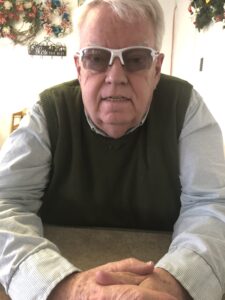 28 January 2026 –If only Rich knew… if only.
I’m realizing now just how many friends I have—near and far. For years, especially after Alex’s diagnosis, Rich and I slipped into a kind of “do not disturb” life. We weren’t hiding, but we were protecting ourselves, and in that protection came isolation. I was always open to friendship, but only if it grew naturally. Rich had many of those organic friendships; I tended to hold back.
Through podcasting and coaching, I’ve slowly been building a circle of women I truly care about. I kept them at arm’s length because I didn’t want to take time away from Rich during this chapter of our lives. One of the groups I joined but never attended—The Ethel’s—is now at the top of my list. I’m not seeking “widowhood.” I’m seeking friendship. I’ll carry Rich with me wherever I go, and I won’t feel guilty for stepping into new spaces. He would love my new friends.
If you’ve walked through loss and the unpredictable waves of grief, I hope my journaling offers you something—comfort, companionship, or simply the reminder that you’re not alone. Returning to podcasting and coaching will help keep me grounded in the steps I want to take, and the ones I need to take.
I’ve spent years guiding others through life’s challenges, and I know there is no right or wrong way to move through grief. People will judge—others, and themselves. I’ve lived too much of my life worrying about what people might think or say. Standing here now, on this new timeline, I’m choosing to lean on those I trust… including myself.
I’ve invited friends, family, and anyone who has crossed my path to reach out and spend time with me during these early days. As the weeks go on, I’ll find my rhythm and begin doing more on my own. Until then, please don’t hesitate to ask how I’m doing. It’s a simple, human way to begin a conversation—and right now, connection matters more than ever.
 27 January 2026-
WIDOWHOOD –If we insist on using labels, then today I am a widow. I hate that word. It reduces me to “a woman whose husband has died and is unmarried.” Well, no kidding—he just died, and I’m certainly not running out to remarry today or any day in the future. Rich and I will be officially married 42 years on February 3, 2026. And again, on July 15, 2026, we will be married 42 years in the way that mattered to us—surrounded by family and friends who witnessed our vows.
But starting today, or maybe tomorrow, someone will reach for that word and forget that I am Karen KIKI Moss Hale. They’ll call me “the widow of Richard Hale,” as if that title could ever contain the fullness of who we were/are.
When we first married, I didn’t take his last name. After surviving a divorce, I held onto Moss as a reminder that partnership didn’t require me to disappear into someone else. Rich never questioned it; he encouraged me to stay myself.
After Alex was born, I chose to become a Hale. Not because I lost myself, but because it felt like weaving our family a little tighter. I had no idea how much strength that bond would demand of us.
I was blessed to meet Rich. He showed me that a man can be masculine and still carry soft, tender qualities that many never cultivate. He believed in forgiveness, in reconciliation, and in tuning out the noise of the world—even though I suspect he battled plenty of inner voices of his own.
Throughout our life together, Rich went to therapy. He wrestled with it—his stubbornness often kept him from receiving the full gift of help—but he always supported others on their counseling and coaching journeys. He was proud when I earned my Life Coaching certification and chose to offer affordable coaching. He knew that every person I helped also helped me grow, and that was a win for him too.
This past year, he championed my weight-loss journey. He changed his own habits and lost 50 pounds. In late October, he told me how good I looked, how I had become his “trophy wife”—though really, he meant his beautiful wife. He had always complimented me, even before I lost 60 pounds, but this time he was falling in love with me all over again. And for the first time in my life, I looked in the mirror and liked what I saw.
(And yes, when you lose 60 pounds at 75, there are wrinkles. Rich called them “love lines” and told me to embrace them.)
Anyone who knew Rich when he was younger knows that he felt most whole when sharing his life with a female companion. Before me, there were girlfriends and close female friends he cared deeply about. He saw each relationship as a step toward the one we built. Those stories could have stirred jealousy, but I reminded myself that we were the ones growing old together.
My deeply sexual husband learned to be gentler with me as I lived—decades—with pain during intercourse. When I was finally diagnosed with complete/procidentia vaginal prolapse, he supported me through treatments that didn’t give us the results we hoped for.
Rich used to joke that his dream was to die while making love to me. This past week, as he lay in his hospital bed, I told him I’d have sex with him right there if he would just open his eyes. I thought he’d hear me, grin, and say, “YES.”
If you want to hear our banter, listen to the five episodes of our podcast, Not Counting Tomorrow:
https://www.youtube.com/watch?v=18VHvqtIiCY&list=PLSdL23sBfggkOWP1xXVz9S_qQ6xQjrbp6
We talked recently about reviving it. But it was always about “tomorrow.”
My message to you: don’t wait.
26 January 2026 MY RICH –Some people blog or journal once a day. I’ve never been that kind of writer. I don’t wait for a specific hour or ritual. My thoughts tap me on the shoulder, and when they do, I sit down and compose.
For weeks now, sleep has been elusive. I’ve broken the “no screens in the middle of the night” rule more times than I can count, but placing my words in front of me—sharing them—is what helps me breathe. I’m mindful of it, and I’m giving myself grace.
Today, what I want to share is my husband, Richard. Yes, I’ve written about his illness and the whirlwind of this past week, but there is so much more to him—so much you may not know.
Six years after his brother Bob died at age four, Loretta and Edwin Hale welcomed a new baby boy: Richard Alan Hale. My mother‑in‑law used to tell me stories about him as a child—sweet, even‑tempered, content to sit quietly and create worlds of his own. Four years later came his brother Dave. They played together as kids, but as they grew older, their paths diverged. Still, they held a steady respect for one another. Dave passed away two years ago.
Rich loved nature, though nature didn’t always love him back. He was sensitive to fragrances, textures, and even the faintest sunlight—cloudy days included. But he adored photography. Before I knew him, he spent countless hours in the darkroom, crafting images with a quiet devotion. He dreamed of being a professional photographer, but intimidation kept him from sharing his work widely. He held his art close.
In high school, he was proudly part of what we’d now call the Geek Squad. He embraced the word “nerd” long before it was cool. He had friends—good ones—and when he went to the University of Akron, he found his people there too.
We met through best friends at their wedding. When I moved from Cincinnati, his circle became mine. Over the years, as Rich shifted from the photo industry into the world of computers and IT, some relationships faded, but he carried no bitterness. If you were ever his friend, he always saw you as one, even if you drifted away.
Alex’s autism diagnosis changed our world. Many who didn’t understand the syndrome stepped back—some out of fear, most out of ignorance. But Rich never stopped loving people, even when they didn’t know how to stay.
Financially, we struggled our entire life together, but we made our life ours. In the early 2000s, Rich took pride in baking bagels at Bruegger’s before heading to his part‑time job at a tech college. When he became a full‑time trainer, he hung up his apron. Ironically, the bagel‑baker couldn’t cook much beyond a frozen meal in the microwave. But with a grandmother and mother who handled every kitchen task, he never had the chance—or the need—to learn. When I moved in, I simply stepped into that role.
Rich accomplished so much, yet even last week, before he became ill, he apologized for not being a “good provider.” That inner critic haunted him with all the “should haves.” But he walked the path he was meant to walk. He did what he could, with heart and integrity.
In 2008, he returned to college to finish the BA he had once been only two classes shy of completing. Decades later, the requirements had changed, and he needed a full semester before he could enter the Master of Education program at Akron. In May 2012, while working full‑time and a weekend job, he graduated with honors.
Richard faced more obstacles in the workforce than most. His honesty, vulnerability, and neurodivergence made him an easy target for people who didn’t understand him. Ageism crept in too, especially over the last 15–20 years. Over time, our world grew smaller. It became just the two of us.
He had a wonderfully dry sense of humor. Alex and I still believe he’s not ready to leave us, that he might open his eyes and say “BOO!” just to get a reaction.
His favorite nights out were at the comedy club—we went often until 2025. At home, if he wasn’t working, he was watching ME-TV or another oldies station. He didn’t care for modern shows, but anything with Tim Allen. He was in.
Rich wasn’t an animal lover—he’d been bitten by a dog as a child, and the trauma stayed with him. Still, over the years, a few dogs sensed something gentle in him and gravitated his way.
He loved his boys. Steve may not be his biologically, but Rich stepped into the role of step‑dad with care and respect, and their bond only deepened as adults. And Alex—our long‑awaited child—was worth every unconventional step it took to bring him into the world. Rich was willing to do whatever it required.
There is so much more I could say about this wonderful man. He liked to count our marriage in days—15,333, not including tomorrow. I say we will be married for eternity.
I write this with a smile and a heavy heart.
 26 January 2026 –Is Hell Freezing Over?
Lately it feels as if the world—both our personal worlds and the larger one we share—is sitting on thin, cracking ice. There’s an uneasiness in the air, a tension we can’t quite name. And yet we still assume we know what someone else is going through. But do they know what’s quietly gnawing at you?
Some people seem to glide across the frozen tundra without slipping, while others find themselves sliding, falling, and struggling to stand back up. Neither path is wrong. Both require awareness. Each step we take—whether forward or sideways or paused in place—asks us to be mindful of our strength, our footing, and sometimes our need to simply wait for the ice to melt.
How Do We Take the Next Step?
Not everyone is an open book. Even when we are open books, not everyone can read our pages. They haven’t lived our chapters. They don’t know the plot twists we never saw coming.
And yes, I’ll admit it—I can be judgmental. I can forget that people make choices based on the experiences that shaped them. When those experiences were painful or limited, their choices may look like mistakes from the outside. But they’re doing the best they can with the tools they have, just as I am.
Is It OK to Make a Mistake?
Of course it is. No one wants to be wrong, but perfection isn’t part of the human contract. We’re wired for trial and error. We’re meant to learn.
Sometimes that inner voice whispers guidance. Other times it screams, “Danger, Will Robinson!”—a line that still echoes from Lost in Space. Avoiding danger doesn’t mean avoiding life. It means navigating missteps with awareness, curiosity, and the willingness to grow.
Is It OK to Ask for Help?
Absolutely. Asking for help is not weakness—it’s generosity. It gives someone else the chance to show up, to serve to care. Being of service comes in many forms, and offering or receiving help can be deeply meaningful for everyone involved.
Don’t Wait
Build your circle every single day. Don’t wait for an invitation to sit with the “popular girls.” Claim your seat. And if the chair wobbles, rocks, or simply doesn’t feel right, move. Choose another seat, another circle, another space where you can breathe and belong.
It’s OK to Feel Sadness and Fear
I remind myself often: I am not the only one feeling what I’m feeling. None of us are. Grace is a gift we can offer others—and ourselves. And part of that grace is remembering that people only know what they know. They can’t see the whole picture of our lives any more than we can see theirs.
“Death Is Part of Life”
Death is inevitable. It completes the cycle we all walk through. And when someone we love leaves this earth, they leave an empty space inside us that no one else can fill. But they also leave an energy, a legacy, a love we can carry forward.
Their story continues through us.
25 January 2026 – A Morning Wrapped in Snow and Caution
 I’ve started a very low‑dose anti‑anxiety medication, and instead of making me sleepy, it’s making me tired in a way that softens the sharp edges of the what‑ifs. I’m taking it while Alex is here, partly for comfort and partly to make sure I can handle it once the storm passes and he heads back to Columbus. If life has taught me anything, it’s to be cautious.
Speaking of caution—I looked out the window this morning and it seems we’ve gotten four to six inches of fresh snow. The road reports are calling conditions hazardous, so I don’t see us going anywhere today.
Alex needs sleep. He feels deeply, just like I do, but he spirals faster, and when he crashes, he truly crashes. When I try to crash, my springs bounce me right back up… and so here I am, writing again.
Earlier I listened to a video about a family whose loved one declined almost overnight. One day they were “typical,” and the next they needed help getting out of bed, walking, eating. Sound familiar? The doctors suspected flu or COVID, and after multiple tests—including three CT scans—it wasn’t until an MRI that they found a stroke. That person is now recovering. They didn’t suffer cardiac arrest. They didn’t fall into a deep coma.
Rich’s CT scans haven’t shown a stroke, but they haven’t ruled one out either. And at this point, even if we put him through an MRI, he wouldn’t come back resembling himself. We made our choice long ago: when the time comes, we would rather move upward toward heaven than be kept here in a body that no longer reflects who we are.
For now, Rich is still breathing on his own. Hospice is keeping him comfortable. Later today, I think I’ll call the hospice team for some support.
I cannot imagine walking this road alone. I’m still grateful for the desk nurse who wrapped me in her spiritual arms Monday night and helped me call my boys. And to Kristy and Rob—who drove 45 minutes through whiteouts and frigid temperatures just to sit with me until Alex arrived—thank you again. Your kindness is stitched into this moment.
When Alex leaves later this week, I know I’ll need time alone… but I’ll also need people checking in, coming by, making sure I’m okay.
This past year has already tested me: a broken shoulder, then a broken wrist, then a long‑lasting reaction to the COVID vaccine—something my body tends to do, but this time it lingered for months. Only a week or so ago did I start feeling human again. Maybe the lingering wasn’t just physical. Maybe it was grief—my brother’s death, my oldest brother’s health struggles, the weight of everything piling up. And maybe I regained my strength just in time for what was coming.
I used to say life wasn’t fair, and sometimes it felt downright cruel. But I’m beginning to see the fairness and kindness that still exist, even in the hardest chapters.
Maybe this winter storm is its own message:
Stop. Breathe. Let tomorrow come on its own.
Take today for the beauty it still offers.
A special acknowledgement to Rachael, who—despite carrying her own grief—has been there for me across the miles. She is the daughter I never had, and her steady presence keeps me grounded.
And to my niece Sue, who is facing the impending loss of her stepdad while also caring for her dad, my brother, even as she navigates her own challenges with MS. Her strength humbles me, and she has been a shoulder for me from afar.
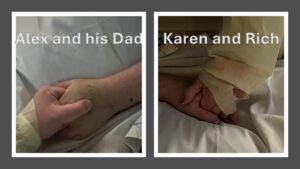 25 January 2026 Holding On, Letting Go, and Everything In Between
As many of you know, Rich has been under hospice care since late Friday. Yesterday they removed the ventilator, and he is sleeping peacefully. He is still with us.
And I’ll be honest: if he suddenly opened his eyes and barked, “Shit, what are you doing?” I would be the most grateful woman on earth. Let him wake up annoyed that I’m decluttering our shared office. Tuesday is trash day, after all, and I’ve got a golden opportunity to toss a lot of crap and recycle even more. I would gladly take his grumbling over my choices.
Underneath the humor, though, some deep fears are bubbling up. I move fast—too fast sometimes—and my thoughts can propel me into decisions before I’ve had time to breathe. With loneliness looming and long stretches of quiet ahead, I know I need to slow down and make choices with intention.
Yes, I’m considering a move to the Columbus area to be closer to Alex. But I also want him to keep growing—his career, his friendships, his life. I don’t want him to feel responsible for taking care of me. Being nearby might fill some of the void, but our independence matters to both of us.
Alex will head back to Columbus on Wednesday—non‑negotiable unless another snowstorm decides otherwise. Steve is thinking about flying in on Friday to spend time here and help me sort through any high‑level matters that need attention. A few of you have reached out about coffee or stopping by; Thursday and Friday are open if anyone wants to claim a spot, weather permitting.
I also have a couple of podcasts scheduled to record this week. It feels important to keep doing what I love, to keep my voice alive in the world. I believe Rich would want that.
And just so you know—I’m looking for a project or even a part‑time job that gets me out of the house. I love working from home, but I think I need something that gives me purpose outside these walls. New people. New conversations. New connections.
My brother Gary, despite his own health challenges, started a group called “Lunches and Brunches,” where people meet for an hour or two to share stories and build community. I’m thinking about starting something similar here—maybe that will keep me rooted instead of moving. If you’re in Northeast Ohio (Macedonia or Brecksville), let me know if that sounds appealing.
I’ve never been one to sit still and wait for life to change. I’ve always been the doer, the mover, the one who creates momentum. That won’t stop now. I intend to keep myself vibrantly alive—carrying Rich with me every step of the way.
 24 January 2026 – I’ve never been much of a drinker—maybe a glass of wine in a social moment, or a fun mixed drink that’s basically a mocktail. Rich was the same way. He loved a good Pina Colada, but even the mildest sip could set off his stomach. In so many ways, he and I have always been more alike than different.
Last night, Alex and I stopped at Giant Eagle to stock up before the storm rolled in. We spotted these pre-made vodka cocktails—three for ten dollars. Neither of us are drinkers, not really. Alex is like me: maybe one at a social gathering, or a seltzer at home if the mood strikes. But something about that chocolate cocktail called to me. I poured it over a full glass of ice, hoping it might soften the edges of my anxiety and coax me into sleep. It didn’t.
It ended up being my most restless night since last Saturday, when I first sensed something shifting with Rich. It was subtle—so subtle I kept waiting for my intuition to tell me what he needed. I didn’t crawl into bed until after midnight, and once I did, I lay there sweating, telling myself it was just my COVID symptoms working their way out. Mine have been mild—some mucus, a light cough, fatigue I can manage—but the timing feels cruel.
Around 2 a.m., Alex appeared in my doorway. His room is an icebox even with space heaters, and he was freezing. We built a pillow barrier down the middle of my bed, and the moment he settled in, he was out cold. I lay on my side listening to his steady breathing and the occasional soft snore (he’d deny it, of course). I drifted in and out until 7:30, when I finally decided to get up and let him sleep. He has always needed more rest than I do.
Today will not be easy. Last night, after playing music, singing, and whispering to Rich that it was okay to fly high, Alex said his good-bye. Today they will remove the ventilator. Alex will come with me, but he won’t be in the room. That is his choice, and I honor it. He wants to be my support, just as I was his yesterday and through the night.
Steve called last night apologizing for leaving early to beat the storm. I reassured him that future visits—visits he’s already planning, maybe as soon as next weekend—are what matter. Neither Rich nor I ever wanted to burden the boys emotionally or financially. I only ask for what I truly need.
A family member once labeled me “the doer,” and I’ve decided to embrace it. We are here to live fully, to be the best version of ourselves each day, and that requires action. We each “do” in our own way. Even in grief, I will carry my memories forward, hold them close, and still create new ones. Rich will be with me, just as my parents and my brother Joel have been.
When my father died in 2004, I found my writing voice. It has been shaped and reshaped over the last twenty-two years. My father used to tell me to leave the words to the men in the family, but I know now he was nudging me toward my own strength. Even when I can’t feel him, there is a connection.
My mother showed me what widowhood looked like—though I hate that word with every fiber of my being. She let us help her, but she always had the final say. Little Dorothy Friedman Moss—D’vasha, Baube—was small in stature and enormous in spirit.
And then there is Joel. Losing him in September cracked my heart open in ways I’m still discovering. But it also revealed a world of extraordinary people. I knew many of his friends from his years in LA and Saratoga Springs, but in these last months—and especially this week—those relationships have deepened. They have shown up with love, stories, and presence. I must honor them, too, along with my in-laws who welcomed me as a daughter and loved me as their own.
As the days and weeks unfold, I will keep writing. Some days my thoughts may wander or feel scattered. I ask for patience. I pride myself on being vulnerable and real, and you are welcome to take what resonates and gently delete the rest.
This is my way of breathing through the unthinkable. This is how I keep moving. This is how I honor love.
January 23, 2026 — Not My Favorite Day
Today we made the decision no family ever wants to make: Rich’s care is now transitioning to Hospice. For the moment he remains at Ahuja Medical Center, but he may be moved to the Hospice of the Western Reserve in Fairlawn in the coming days.
Rich has been off sedation for more than 48 hours, and he still hasn’t woken up. He’s breathing on his own, though the ventilator is still in place. Early on there were tiny signs of reflexes—minimal movement in his feet, none in his legs, arms, or torso. A few flickers of eye movement, but nothing that registers in any meaningful neurological way.
This morning’s CT scan confirmed what the neuro team has been gently preparing us for: it is unlikely he will wake up. And if he did, the chances of him having control of his body—or even the cognitive clarity to still be Rich—are painfully slim. His organs are trying to recover, but there is no measurable progress.
My sons and I listened carefully, and we listened with our hearts. We know Rich’s wishes. We have a living will. And this—this state of existence—is not how he wanted to live, nor how he wanted to leave this world.
Tonight, he began receiving Hospice protocol medications. The ventilator will remain until tomorrow when Alex and I can be with him. The team does not expect him to pass immediately; he may hold on for days. If so, he will be transferred to the Hospice facility.
Steve drove back to Chicago today despite the weather. He hit several whiteouts in Indiana, but he made it home safely. That alone feels like a small blessing.
My boys have asked something of me—something I don’t usually do. They want me to reach out for support, to stay connected with friends and family both virtually and in person. They know me well enough to know I’ll try to “handle everything,” but this is not a moment for isolation.
In the coming weeks, I’ll also begin making plans to sell our condo and move. This isn’t a decision made in panic or grief; it’s one Rich and I discussed many times. With Steve in Chicago and Alex in Columbus, staying in Cleveland no longer makes sense. This city has been home, and living here with Rich has been a gift—but I need to be closer to family now. I won’t be sharing where I’m considering just yet; it’s a deeply personal decision, and I’m keeping that circle small. But I will say this: it won’t be Chicago.
Some may think I’m making too many decisions too quickly after such a devastating week. I promise you I’m not. These choices were already conversations—quiet ones, practical ones, loving ones—between Rich and me. My boys know I’m independent, but they also know I thrive on connection. I will find my next home in a place that supports that.
The reality of all this hasn’t fully hit me. Or maybe it has, and I’m simply walking the path laid out in front of me because there’s no other choice. I miss my buddy. I haven’t had a real conversation with him since early Sunday morning. Even on Monday, when I sat beside him, he was foggy and struggling to speak. I truly believed I had tomorrow. And the next day.
Our 42nd wedding anniversary is in twelve days. This is not the gift I imagined for this year. But I will still celebrate the love we’ve shared for more than four decades.
Rich told me he loved me every single day—never once, but many times. He wasn’t a romantic; he was more of a clumsy oaf with a heart of gold. Mine. Lovable in all the ways that mattered.
He made me laugh. He made me roll my eyes. He brought sunshine into our lives even when he didn’t realize it.
Tonight, I will hold those memories close as I try to sleep, knowing that soon the only place I’ll see him is in the photos I keep and the reel of moments that play endlessly in my mind.
#yesican Coaching with Karen
*this is for real*
 23 January 2026 – Emotions and Their Triggers
This snowstorm has me on edge. The fear of being stuck here, unable to see my husband, unable to nudge him awake and bring him back to us—it’s sitting heavy on my chest. I’m trying to sound normal, to feel normal, but honestly? I’m not even close.
Steve suggested we run to the store and stock up for a day or two in case the storm traps us inside. He even “gave us permission” to think about ourselves—me and Alex—because he knows Rich would want that for us. He’s right. Still, watching Steve drive back to Chicago today, hoping he’d beat the storm, tugged at me. He promised he’d be back soon. And I know he’s only a phone call away. I just hope I don’t let myself lean on him too much. My oldest has a way of guiding without taking over, and he’ll only step in if absolutely necessary. I am capable. It’s simply not in my DNA to let someone take care of me.
We’re still waiting on more test results. Another CT scan showed no changes from Tuesday, and only minimal differences from one done a year ago. The MRI is still being arranged. This whole experience—this rodeo—is something no one can prepare for. And I’m far from the first person to ride it, though that doesn’t make it any less of a shit show.
I’m still stunned that Rich ended up with COVID and pneumonia. He’s always been so careful. He only worked a few contract jobs a month and spent most days at home. I caught the virus too, but my symptoms are mild—a runny nose, a scratchy throat—and Tylenol and Zicam are keeping things manageable.
So why is he so sick?
I’m not second‑guessing, just trying to understand. After his prostate cancer and radiation—which he handled without complications—he struggled with severe incontinence. Medication barely helped. He finally had the implant placed in August, but even up until Monday, while it was still functioning, he was having issues. The incontinence had worsened over the last month or two. So even though he’s cancer‑free, did something else start brewing?
He lost 50 pounds over the past year but then plateaued, no matter how hard he tried to lose more. He carried most of his weight in his torso, and I noticed him leaning forward when he walked. Was something else going on beneath the surface?
And then there’s the emotional weight. Since losing his job in December 2024, he’s been depressed in a quiet, lethargic way. I’ve wondered if his mild hearing loss contributed to his foggy thinking, or if the job loss triggered something deeper. His primary doctor prescribed a mild antidepressant, which helped a little, but not enough to lift the heaviness.
I know second‑guessing won’t change the path we’ve already walked. But asking questions might help us navigate whatever comes next with a bit more resilience.
Yes, I’m in limbo. But I’m not letting life pass me by. I’ve spent meaningful time with my boys, and I’ll have the next four or five days with Alex. I’m learning to reach out to people I never imagined I’d need, and I’ve found open, loving hearts waiting for me. Despite the political noise in the world, there are good people out there. Maybe they need to help me just as much as I’ve helped them.
My bed is lonely at night. It may never feel the same again. But I’m surrounded by wonderful people, and I will live fully—for Rich and for myself.
 22 January 2026 – Morning Update
There is no change in Rich’s condition this morning. The team is preparing him for a brain and spinal MRI, and I’m holding on to whatever optimism I can. Still, my mind keeps drifting to the what ifs—the ones none of us want to think about but somehow creep in anyway.
I’m grateful my boys are here. They’ve stepped in quietly and lovingly, helping me sort through the practical pieces—making sure bills are in order and pausing anything that’s solely in Rich’s name. There’s no reason to drain our account while we’re in this limbo.
If you’re a local realtor, I may need your guidance soon. I’m starting to explore whether it makes sense to sell or keep the condo. Our bedrooms are upstairs, and when Rich comes home, stairs may not be an option. We’ll both be 76 in March, and I have to think ahead—even if thinking ahead hurts.
For anyone wondering why I’m preparing for every scenario: I’m a lifelong Professional Overthinker. I’m literally wearing the shirt that says so. I’ve always examined situations from every angle—two sides, three sides, sometimes four. I was never a Girl Scout or Brownie, but I’ve lived by the motto to be prepared.
Rich, on the other hand, prepared in his own way. He saved everything “just in case,” which meant we often couldn’t find what we needed and ended up buying a new one anyway. His heart is always in the right place.
UPDATE
The MRI is now on hold. Because of his Medtronic implant, the Ahuja MRI team can’t proceed. He’ll need to be transferred to Main Campus, but first they must assign an ICU doctor there to oversee him. The hope is that once the MRI is done, he’ll return to Ahuja.
The MRI may give us information, but not certainties.
Here’s what we know right now:
- It can show whether there is brain activity, but not whether there are deficits.
- If he had a stroke not caught on the CT – and the indicators.
- He currently has no reflexes in his upper body, some in his lower extremities, and occasional squinting, as well as gag reflexes.
- Even if brain activity is present, it doesn’t guarantee he will wake up. He is no longer medically sedated, and although he’s still on the ventilator, they’ve been able to reduce the oxygen intake—meaning he is doing some breathing on his own.
- There are still unanswered questions about possible cardiac damage and kidney function.
The ICU staff has been extraordinary. They know I’m an overthinker. They know I’m searching desperately for any sign of hope. But they also gently remind me to stay grounded in reality.
In theory, Rich could wake up at any moment—open his eyes, breathe on his own, and begin to return to us. My dream is that he wakes, turns toward me, tries to speak, and I ring for the nurse as he fights his way back. Angry, even—angry enough to push through this nightmare.
But I also know the opposite is possible. I’m not ready for that reality, but I’m trying to prepare myself for it.
Because of the winter storms, Steve will head back to Chicago tomorrow and return as needed. Alex will stay with me through most of next week. The MRI could happen tomorrow or any day after—it all depends on finding an ICU bed at Main for the transfer.
I’m also preparing myself for the long road ahead. If Rich needs extended treatment or rehab, it could be weeks or months before he comes home. I need to stay strong, stay independent, and take care of myself so I can take care of him.
Thank you—truly—to everyone who has been following our journey, supporting us, and holding us in your hearts. I hope that by sharing this, I’m helping someone else as much as I’m helping myself.
I was once told, “God doesn’t give you more than you can handle.”
All I can say is: God, enough already. Bring him back to health. That I can handle.
#yesican Coaching with Karen
 21 January 2026 – It’s Wednesday, and somehow I’m still walking a road I never planned to travel. The path feels uneven—full of ruts, sharp turns, and blind corners. Some moments it feels like a maze I can’t quite map. I keep moving forward, breathing for myself and for my husband, holding tight to the belief that we will push through the barriers ahead. And then, without warning, I feel myself gasping too.
Last night they began easing him off the heavy pain medication and sedation. His vitals remain fairly stable, but the COVID alone has thrown his bloodwork into chaos. Right now, the team is watching his kidney function closely.
Around midnight—technically early this morning—they performed a CT scan. It ruled out a stroke and showed no visible damage from the cardiac arrest. That brought a wave of relief, but it isn’t the final word. Standard protocol is to wait 72 hours before assessing brain function, so in another day they may move forward with an MRI. For now, the doctors aren’t dwelling on that. Their hope, and mine, is that he’ll begin to wake on his own and show signs of cognitive strength.
Alex is having a very hard time. Hospitals have always been overwhelming for him, and this situation is pushing every fear to the surface. He needs his dad to get well—not just in the universal way a child needs a parent, but in the deeply personal way that belongs to their relationship. He and I have always been close; he trusts me with the parts of his life that matter. But he and his father, both on the spectrum and more alike than they realize, have had their disconnects. This crisis is stirring all of that up.
We’re each navigating our own version of this maze, trying to stay upright, trying to stay hopeful, trying to breathe.
Steve arrived from Chicago yesterday after a long, tedious drive through Indiana. He’s safe, settled, and was able to spend time with Rich last night before we grabbed dinner and headed home. He’s working from his hotel just down the street and is on speed dial if I need him—staying close but also trying to keep some rhythm to his own day.
This morning, Alex and I met with the doctors during rounds. They’re optimistic that today may bring some change. They encouraged us to keep talking to Rich, willing him to wake up. Alex played music for him, and although we want to believe he reacted, there’s no definitive way to know. So, we wait. They continue treating him on the ventilator, tube feeding, antibiotics, antivirals—whatever his body needs to keep fighting.
We’ve been warned that his kidneys may take a hit and dialysis could become necessary, but we’re still days away from that decision. His diabetes levels skyrocketed yesterday but are slowly coming down with the insulin they’ve had to use.
As for me, I’m trying—really trying—to take care of myself. Sleep is still elusive, and I already feel run‑down. I started Zicam today as a precaution because I’ve got drainage and a sore throat, which isn’t unusual for me but still unwelcome right now.
Inside, I feel like I’m in a hamster wheel—running faster and faster—yet my exhaustion is slowing me down more than I realize. It’s a strange contradiction, but maybe you understand what I mean.
I don’t know what comes next. Writing about this helps me stay grounded, and your messages, your concern, your presence—they mean more than you know. Thank you for walking this part of the maze with me.
 20 January 2026 – I CAN’T CRACK
At midnight Alex and I said goodnight to Rich and drove across the street to the LOFT Hotel – we were both running on empty and we couldn’t go home, my garage remote was in my car and that was in valet and there was no one to get my keys – I doubt I could have driven if I had wanted to.
Although we are in the hotel to sleep – it eluded me more than ever. My thoughts kept drifted in directions I do not want to go, but my fear of not being prepared is mounting. As you all know I am someone who needs to walk through all scenarios – I am a now person, but I don’t like the now.
I am dressed in the same cloths as yesterday and my make-up is a mess as is my hair and WHEN RICH WAKES UP he will see a messy loving wife standing in front of him.
I want to shout out to my friends Rob and Kristy for braving the frigid temps and driving cross town to sit with me while I waited for Alex to arrive. It wasn’t until after they left that I had the opportunity to see Rich and talk to him and pray that he hears me. I am anxiously waiting for Alex to dress so we can go back to the hospital and maybe see our miracle.
A number of things have gone wrong since I took Rich into the ER and had him admitted to the hospital. I understand there is a nursing and staffing shortage, but I am wondering if we are putting our health more at risk in the hospital under these conditions. (More on that at a later time.)
They say no news is good news. We did not get an emergency call during the night, so I am expecting and hoping to have some promising results when we get to the ICU.
I cannot explain the numbness that I am feeling in my brain as it transcends into every inch of my body. I am so cold (in addition to the outdoor temps being subzero), I feel like I am about to crack.
I can’t crack – I have to be strong and supportive for Rich- he would not want me to fall apart. I need to advocate for him – I am his voice.
I can’t crack – I have to be the parent to my two sons. Yes they can help support me but they are grieving and hurting as well, and I have to be mindful that we are all in this journey together.
I can’t crack – that is not my personality, and I will reach out over and over to hold on to those of you who understand whether you have taken this road or not.
I will keep journaling to allow myself to feel and heal – this is how I pray!
Thank you!
19 January 2026 -Where do I even begin this love letter to the man who has been my best friend for more than forty two years?
Our life together has never been perfect, but our love and friendship have always been real, steady, and ours. From the very first moment I saw him—standing in a Temple, where I briefly mistook him for the new rabbi—my heart fluttered. Within hours I learned he wasn’t clergy at all, just the groom’s friend… and I was the bride’s. Fate has a funny sense of humor.
Our dating life was rocky at best. Rich was still tangled in memories of the girl who got away and the one who broke his heart. I was fresh from a divorce, trying to rebuild myself. Despite our religious differences and the emotional pull he still felt elsewhere, something in me said, “Stay.” So I followed my instincts and let friendship grow into love.
Financially, we’ve struggled from the moment I moved in until, well, today. No matter how hard we tried, something always seemed to get in the way. And yet—we survived. We always found our way back to each other.
I affectionately call Rich my Pain in the Ass. He has always marched to the beat of a different drummer, and when he turned fifty three, we finally learned why. Discovering he was on the spectrum made everything click—his quirks, his sensitivities, his brilliance. It explained the challenges he faced growing up, in school, and in the workplace. And somehow, knowing this made him even more endearing.
When our son Alex hit puberty and grew into young adulthood, father and son clashed hard—two men on the spectrum, each fiercely independent, each loving the other completely. And Rich didn’t just father Alex. He stepped into the role of father for Steve, too. He never treated him as anything less than his own, and Steve’s love and support today are proof of that bond.
Tonight, as I sit outside the ICU, memories flood in—our simple joys, our imperfect adventures, our stubborn resilience. Even our honeymoon was a comedy of errors: monsoon rains in Virginia Beach, suffocating heat, a brand new hotel with broken air conditioning and a closed pool, and me battling a migraine that started the night before our wedding. Not exactly a fairy tale, but it was ours.
I won’t list all forty two years of chaos, because the chaos is part of our story. And I am praying—fiercely—that our story continues, that Rich recovers from whatever caused his illness and the cardiac arrest that brought us here.
I’ve told him countless times how much I love him, even on the days when he crawls under my skin. And I know, without a doubt, how deeply he loves me—he tells me every single day, often more than once.
But right now, I am scared. Loving someone this deeply means riding the emotional rollercoaster when life tilts sideways. I’m not religious, but I have asked God to bring him back to health, to keep him by my side for many more years. And now, all I can do is wait, breathe, and trust that nature—and love—will carry us through.
 18 January 2026 -Did you know that you are your own mental‑health expert? No one else knows your inner landscape the way you do. You know what stirs you, what soothes you, and what sets off those internal alarms. We all have triggers—every single one of us.
From the moment we’re born, we arrive carrying a blueprint: the DNA passed down from our parents. The familiar story of the egg and the sperm—sometimes created in joy, sometimes not—gives us that 50/50 mix that shapes our biology. That blueprint influences everything from how our brains function to how we respond to life, treatment, and the world around us.
But DNA isn’t the whole story. Mindfulness gives us a way to understand what makes us tick and what sets us off. For a long stretch of my life, I thought I was aware, grounded, and paying attention. I wasn’t. I judged myself harshly and handed my emotional well‑being over to other people without even realizing it.
Mindfulness changed that. When I slow down and truly notice where I am—my surroundings, my sensations, the vibrations that feel good and the ones that don’t—I can shift my internal experience. I can choose how to respond. That choice is where my inner happiness lives.
Mindfulness alone isn’t always enough. Sometimes it’s the doorway that helps someone recognize they need additional support, including medical or therapeutic care. And sometimes the people around us notice our needs before we do. There’s no shame in that. Understanding ourselves is a lifelong process.
Not everyone grows up with the knowledge or tools to understand how biology, environment, and experience shape mental health. Many rely on doctors, friends, or family to help them make sense of their inner world. No one should have to navigate life alone. If we all practiced the simple principle of treating others the way we want to be treated, we’d create a far healthier, more peaceful world.
Recently I asked my husband why so many people seem to believe they have the right to take from others—why we create conflict, arguments, and even wars just to claim something that isn’t ours. Why is harmony so hard? The truth is, change begins with one person reaching out a hand to another.
If you remember “Hands Across America,” or even the early days of COVID in 2020, you know we can come together. For a while, we did. We supported one another. We looked out for those who needed help. But lately, I see us drifting toward selfishness, and I can’t help but feel that some of our leaders have encouraged that mindset.
Selfishness and mindfulness rarely coexist. When we focus only on our own wants, we lose sight of our shared humanity. If we don’t shift this paradigm, we may find ourselves living in a world none of us would consciously choose.
 18 January 2026 Sunday morning—not exactly the start I imagined.
Yesterday, Rich woke up with a sore throat, headache, and all the signs of a nasty cold. So, I shifted into Nurse Wife mode. Unlike my better half (and yes, I’m using that term loosely today), I knew what to do: fluids, rest, and Coricidin HBP Cold since his blood pressure is controlled with medication.
But instead of feeling better, he became dizzy, agitated, and—let’s just say—he should have flushed that medication out by now, but no such luck.
By last night, he was struggling to get in and out of bed, complaining of lower back discomfort and weakness. So here I am, writing while he slowly gets dressed, because we’re heading to the ER.
On Thursday he had an appointment with InterStim, the company that manages his bladder device. (Yes, he’s cured from prostate cancer, but the radiation after-effects keep showing up.) By Friday, I noticed he was “off”—moving slower, foggy, not quite himself. I chalked it up to the weather and a quiet workday. Maybe my Nurse Wife intuition should have kicked in sooner.
And honestly, why is it that when our husbands or children get sick, we instantly transform into nurses—but when we get sick, the men in our lives need a formal invitation to put on their doctor hat? If I waited for Rich to tell me how sick he was, I’d probably be calling 911. Thankfully we’re not there, though getting him moving has taken the better part of an hour.
No one wants to go to the ER or risk being admitted, but I’m not trained to handle something that might be more than a cold or a medication reaction. The fact that he can’t get in and out of bed or off a chair without struggling is concerning, and I don’t have the strength to safely help him. My fear is that we both end up on the floor—and trust me, I am not ready for a Life Alert moment.
I’m writing this before we even get to the ER, but I won’t finish it until we have answers.
Some of you might wonder why I’m sharing this at all. Maybe it will help someone down the road. Because every time—YES, every single time—I’ve needed the ER, Rich drags his feet, asks pointless questions, and never thinks to offer water, Tylenol, a heating pad… nothing. My tech-savvy husband won’t even Google my symptoms, and by the time we get to the hospital, I’m worse.
Sometimes we have to admit that guessing, minimizing, or trying to “wait it out” isn’t wise. There are moments when we need professionals.
A trip to the ER can be long, frustrating, expensive, and sometimes unhelpful. But with what I’m seeing today, it would be irresponsible not to get Rich checked out.
So—it’s time to go.
I’m still not sure how I managed to get Rich into the car at home or out of it once we reached the ER. His legs kept giving out, and every attempt to help him felt like he was collapsing in my arms. But we made it, and he’s checked in.
They’ve already taken blood, done a chest X‑ray, tested for flu and COVID, and run an EKG. Ninety minutes later, we still haven’t seen a doctor or heard a single result. In the meantime, I’ve had to be his voice—he’s so weak, and the migraine is making it hard for him to think, let alone speak. He finally drifted off for about fifteen minutes, and at some point they started him on an IV antibiotic.
Moments like this make me wonder how Gary manages being alone in the ER or hospital. I’m grateful I can be here for my husband. Today I’m not playing nurse; I’m simply his Wife/Advocate.
I’m hoping we’ll get answers soon and that this is just a rough virus that needs to run its course. I’d be lying if I said I wasn’t already worrying about how I’ll get him back home and into the house when this is over.
More on that later…
Update: We finally have answers. Rich tested positive for COVID. They’ve already started treatment, and because he’s too weak to stand or walk, he’ll be admitted. I’m relieved I pushed for care—and so is he.
So that’s my Sunday. How are you doing today?
 17 January 2026 Good morning!
Some mornings I wake up feeling like I’ve lived two different emotional lives in the span of a single night. I’m amazed at how quickly my inner world can pull me down one path, only to guide me safely onto another by sunrise.
Life isn’t still. It shifts, stretches, and reshapes itself whether we’re ready or not. And when we’re connected to others — family, friends, community — our thoughts and emotions naturally twist and turn right along with those relationships. Sometimes they pivot so fast that our brains need a moment to catch up.
This is simply part of being human: evolving, recalibrating, and learning to trust the movement rather than fear it.
This isn’t instability.
It’s evolution.
It’s the natural rhythm of a life that’s being lived fully — with connection, with vulnerability, with curiosity. Our emotions are not meant to stay in one place. They’re meant to guide us, alert us, soften us, and sometimes challenge us to grow.
So, when I wake up feeling like I’ve traveled through multiple versions of myself, I’m learning not to judge it. Instead, I’m choosing to see it as evidence that I’m still learning, still adapting, still alive to the world around me.
And maybe that’s the point:
We don’t need to fear the shifts.
We just need to honor them, breathe through them, and trust that each emotional turn is leading us somewhere we’re meant to go.
I’ve learned to navigate my emotional twists and turns through two powerful tools: journaling and working with fellow Life Coaches who help me sort through the moments that feel too heavy to carry alone. Both practices keep me grounded, honest, and connected to my own growth.
Over the years, several people have encouraged me to gather pieces of my journaling and turn them into a book. It’s a flattering thought, but also one that makes me pause. These days it feels like everyone is writing a book, and often the motivation leans more toward self‑validation than fame, recognition, or financial gain. My journals are deeply personal — reflections on my life, my experiences, and the people who have shaped me — and I’ve never been sure they’re “worthy” of a printed publication. And yet… I’m considering it.
The idea resurfaced recently during a session with Kristy, one of my coaches and a dear friend. As I rambled through my thoughts, she gently suggested that maybe this wasn’t about creating a bestseller. Maybe it was about leaving behind a legacy of words — something that might help even one other person feel less alone. That has always been my mission through podcasting, writing, and coaching. If my work touches just one life, then I’ve done something meaningful.
So will there be a book?
Maybe. But don’t expect anything soon. If I choose to take this path, I want to move slowly and intentionally, making sure the process feels right for me — not rushed, not forced, but aligned with the purpose that has guided me all along.
For now, I’ll keep writing, keep reflecting, and keep showing up — one page, one conversation, one person at a time.
My father, J Harmon Moss, was a prolific writing, his favorite form was prose. Both of my brothers Gary and Joel followed in his footsteps; I was a late bloomer. In fact, for many years, more than I can count, my father suggested to leave the writing to the men in the family. At the time my pops was right, although I could write, it was not worthy of print.
When my father died in 2004 I was asked if I wanted to share a few words with family and friends. I actually sat down at my dad’s computer the night before the funeral and wrote out my personal eulogy for him. After I read and shared the words that came from deep inside, my brother Joel approached me and asked, “When did you learn to write?”
My father created a legacy with, “Words by Harmon”, a couple of self-published books. So, maybe it’s my turn.
Lately, I’ve been writing from the deepest parts of my heart about my brothers. Despite our age gaps and the miles that often separated us, I was blessed with two big brothers who shaped me. As a little girl, I used to warn them that they should be nice to me because I pushed them out first — my way of insisting I could have been the oldest. They teased me endlessly, sometimes to tears, but over time we found our shared rhythms. We grew into a bond that felt less like siblings and more like friendship.
Joel, the middle child, carried the most confidence. His sudden passing — with no warning, no signs of illness — has left both Gary and me clinging tightly to each other. The loss carved out a space inside me I didn’t know existed, and it awakened a fierce instinct to become my brother’s keeper. That’s where many of my emotional waves have been coming from: the desire to protect, to hold on, to make sure Gary knows he is loved and not alone.
But I’m learning something important.
I can’t protect him from life.
I can only love him for exactly who he is.
One day, both of us will leave this world — that’s the truth none of us can outrun. But until that day comes, we owe it to ourselves, and to the brother we lost, to live fully, honestly, and with as much joy as we can gather.
Maybe that’s the legacy I’m meant to write.
Maybe these words — messy, honest, evolving — are my Words by Karen.
 15 January 2026 JOURNALING
Another snowstorm has swept through Northeast Ohio. Yes, it’s winter, and living off Lake Erie means lake‑effect snow is simply part of the deal—but it can still be treacherous.
When you’re not a fan of winter weather, days like this—sub‑zero wind chills, blowing snow, icy roads, and those relentless gusts off the lake—make hibernation sound like the most reasonable option until Spring finally shows up.
For most of my life, I pushed through whatever the weather brought. Work, appointments, errands—I always found a way. But as the years have passed, I’ve learned to choose differently. Now, I wait for the storm to settle and the roads and sidewalks to clear before venturing out.
This morning, I woke up early with the intention of heading to a non‑urgent medical test. After listening to the NEWS5 Cleveland forecast and their strong recommendation to stay off the roads until midday, I decided to reschedule. My husband offered to drive me, but after last night’s ordeal—navigating whiteout conditions on what should have been a one‑hour drive that stretched into more than two—he ended up with a blinding migraine that’s still lingering today.
Sometimes the wisest choice is simply to stay put, stay warm, and let the storm pass.
We always have a choice, but sometimes the wiser choice requires us to think about the consequences. Back when I was working in corporate America, hibernating during a storm wasn’t an option—at least not pre‑COVID. Management loved to remind us to “prepare the night before” for whatever the morning might bring. I can still recall those white‑knuckle drives to and from the office, gripping the steering wheel, muttering under my breath the entire way.
Now that I no longer have management in my rear‑view mirror, I don’t have to push myself through conditions that could do more harm than good. On days like today, leaving the roads to the people who truly need to be out—road crews, first responders, and those whose jobs require them onsite—is simply the responsible thing to do. Most businesses won’t crumble because someone stayed home for a day. And if you live in Northeast Ohio, you know the saying: “If you don’t like the weather, wait five minutes.” The weather changes quickly enough; why risk your safety or someone else’s?
So here I sit in the early morning quiet, having rescheduled my medical appointment, listening to my husband’s peaceful breathing as he sleeps off his migraine. I’m wide awake, feeling that familiar restlessness—the sense that I should be doing something. Yes, I’m journaling, but my mind is racing with all the tasks I thought I’d squeeze in before and after my appointment. Instead, that old inner critic has shown up, eager to remind me of everything I’m not doing.
This has been my pattern for most of my life: do everything now because there will always be more waiting tomorrow. I’ve learned to soften that voice, to challenge it, but it still sneaks in when I least expect it. This is ongoing work—work I’ll likely be doing for the rest of my life.
Journaling helps. Writing down these thoughts gives me space to sort through what deserves my attention and what doesn’t. It’s one of the ways I stay grounded, stay aware, and stay committed to living my best life.
Journaling isn’t something I invented. Mental health professionals have long recognized that writing can ease stress, lessen anxiety, and even help with certain forms of depression. It offers a space to express emotions that feel overwhelming, and that self‑awareness can bring clarity—helping you regulate and calm what’s stirring inside. For me, journaling interrupts the cycle of rumination and gives my mind room to breathe.
- When I journal, I create distance from that inner critical voice, giving myself the power to shift the narrative.
- When I journal, I build a safe space where difficult emotions can soften and transform.
When I journal, I become more mindful of what I need rather than what I think is expected of me. - When I journal, my self‑esteem grows, and I show up as my best self—whether I’m alone or with others.
- When I journal, I meet my truest inner self… and I genuinely like who I find.
#yesican Coaching with Karen
 14 January 2026 – Are You Feeling Ripped Off, or Is It Just Me?
Lately I’ve been wondering if I’m the only one feeling a little… taken advantage of. As a podcast producer, life coach, and journal‑based writer, I’ve always kept my fees reasonable because I live in the real world. I know what it costs to seek help, guidance, or support today, and frankly, some of the prices out there make my eyes roll.
Today alone, more than one person tried to sell me a Journal Certification. A certification… to write my own thoughts? My story? My legacy? Since when did we need permission—or a certificate—to express ourselves on paper?
I encourage others to journal and explore their inner world, and I don’t charge for that encouragement unless it’s part of a coaching session. My coaching remains accessible at $25 per Zoom session. I’ve even offered a few free sessions over time, but I’ve learned something important: when people don’t invest in themselves, they often don’t follow through. Free tends to lead to drop‑off, not transformation.
I still believe deeply in investing in what matters. But when it comes to personal journaling, the only real investment is your willingness to show up on the page. Your thoughts, your feelings, your truth—written in whatever style feels right for you. No certification required.
Your story is yours. Claim it. Write it. Honor it.
If you decide to turn your personal story into a book or a profit‑driven project, then you get to choose whether to invest in writing, publishing, or promotional courses. Learning from people who have already walked that path can be incredibly helpful, but it’s just as important to weigh the cost against the true value you’ll receive. Not every opportunity is worth the price tag.
When I stepped into my current career, I made sure I had income to sustain my family. That meant juggling several part‑time jobs while building my coaching, podcasting, and writing work. In the beginning, I fell into the trap of paying for trainings and “expert guidance” that I didn’t actually need—an experience that inspired today’s reflection.
Success doesn’t come from buying every program or certification someone tries to sell you. It begins with cultivating your own confidence—trusting your voice, your story, and your ability to grow without being pressured into unnecessary expenses.
Cultivating self‑confidence isn’t simple, but it is possible.
Most of us carry an “inner critic” that loves to whisper doubts, stir up fear, and convince us we’re not enough. That voice is shaped by old experiences, comments we absorbed, and stories we’ve replayed for years. Everyone has this voice—yet only you have the power to quiet it.
I spent years in therapy, investing time, energy, and money trying to understand why negativity kept taking center stage in my mind. Even with all that support, I still let those old thoughts dictate my happiness. What finally shifted was a single morning, just before I turned 60, when I decided the negativity had to go. I chose—very intentionally—to look for the sunshine behind the grey winter sky. That choice opened the door to a new way of thinking.
This isn’t a one‑time fix. It’s a continuous practice, a daily recommitment to seeing yourself with compassion and clarity. But with each step, you create more space for genuine peace and lasting happiness.
I’m not here to sell you anything except the reminder that you have the right to choose the path that helps you become the best version of yourself.
You can follow our podcasts, daily reflections, and all Facebook and Instagram posts at no cost. You can choose to record your life‑coaching journey through a podcast—sharing your vulnerability in a way that supports both your growth and the growth of others. Or you can opt for a one‑on‑one coaching session if that’s what you need.
And of course, you can also choose to do nothing at all—because if you’ve already found your inner happiness, that is a beautiful place to be.
#yesican Coaching with Karen
 14 January 2026 – Wide Awake at 2 A.M.
I’m exhausted, and yet here I am—lying in bed, wide awake. I never quite understand why these bouts of insomnia show up, but when they do, they take over. My body is tired, but my mind refuses to settle. Instead, it starts creating projects, jumping from one thought to the next like a pinball machine.
Eventually, I give up on the tossing and turning and slip out of bed. I’m always drawn to my computer at times like this. Something about typing out the thoughts that are keeping me awake helps me release them, as if putting them into words makes room for rest.
And I know I’m not alone. At 2 a.m., millions of people across the world are awake just like me—unable to fall asleep, unable to stay asleep, or waking up far too early. Insomnia is common, and tonight, it has my name written all over it.
For me, falling asleep isn’t the problem. When I drift off, I’m out cold—until that inevitable bathroom trip. Sometimes I can fall back asleep afterward, but nights like this are different. I toss, I turn, and I wake myself up even more.
If I’m being honest, this is probably tied to anxiety and stress. Even with all the lifestyle changes I’ve made, the people‑pleaser in me still takes on too much. I pile tasks onto my list until it becomes overwhelming. My saving graces are breathing exercises and, most comforting of all, journaling.
Writing—whether journaling or blogging—helps me untangle what’s happening inside me. It centers me. It releases the tension that builds up in my mind throughout the day.
Some people swear that screens are the enemy of sleep. They recommend warm milk (which I find absolutely disgusting) or melatonin (which might as well be a sugar pill for me). But writing works. Letting the words spill out of my “computer brain” is what helps me settle enough to try sleep again.
When stress and anxiety show up, naming them helps.
And yes, being a people pleaser isn’t always in my best interest. It’s a habit shaped over years of trying to prove my worth—not just to others, but to myself. I’ve learned to tone it down so I don’t burn out or resent the energy that gets pulled from me. Pleasing is a choice, and sometimes it’s a choice I need to rethink.
When any habit becomes overwhelming, it’s important to identify it and find the right “prescription” to tame it. That’s part of staying emotionally and physically healthy.
Life’s twists and turns aren’t avoidable. There’s no perfect path. But the pitfalls can teach us something, and sharing those lessons can help someone else feel less alone.
Sleep experts say a consistent routine is best—wind down, avoid stimulation, turn off the TV, skip the late‑night excitement. But I’ve always been someone who gets lulled by the TV. And yes, I agree—sex wakes me right up.
I do have a routine. But it’s the thoughts I carry with me throughout the day that keep me awake. Until I release them, insomnia wins.
So tonight, I write.
What keeps you up at night
And what tools help you find your way back to rest
#yesican Coaching with Karen
 13 January 2026 – t’s Not About Sunshine
People love to say, “At least the sun is shining.”
But anyone who has lived long enough knows the truth: we create our own sunshine, and sometimes life still shakes us to our core. Even on the brightest days, an earthquake can erupt in your heart and soul.
This past year, I’ve written often about my brothers—about losing Joel so suddenly, and about Gary’s ongoing health struggles. I’m the youngest of the three of us, yet Joel’s passing taught me something I never expected: birth order doesn’t mean a damn thing once life starts unraveling. Age doesn’t determine strength. Circumstances do.
Right now, I’m carrying the mantle because I’m needed. And yet, I’m painfully aware of my limits. Gary trusted Joel with everything—his decisions, his care, his worries. Joel was the strong one, the steady one. With him gone, that responsibility has shifted to me. I’ve become the sibling Gary leans on, even from over a thousand miles away. And distance is a cruel barrier when someone you love is struggling.
My heart aches not only for Gary, but for his three children as well. They’re dealing with their stepfather’s illness and imminent passing, all while living far from their dad. Even as adults, this is heavy. There is no roadmap for any of us.
Just a few days ago, Gary sounded upbeat as he waited for his new bed to be delivered. He had even given me a new project to work on for him, and I was excited to send him my first draft. When he didn’t respond, I tried to convince myself that “no news is good news.” But my gut knew better.
I skipped my usual Sunday call, but by Monday I was leaving voicemail after voicemail. When he finally answered, his voice was weak, strained. He told me he’d been sick for two days. I begged him to call 911. He refused. He told me not to anger him.
So I did what I had to do. I reached out to our cousin—the one he listens to—and she coordinated with his wife to get 911 to the house. He’s back in the hospital now. He’s angry with me, but that’s a small price to pay if it means he gets the care he needs. Maybe this time someone will actually look deeper and give him real answers.
But I can feel something shifting in him. A quiet surrender. Like so many seniors, he’s starting to see how alone he is. His Scrabble friends—his lifeline for decades—are dealing with their own health issues. Many have stepped away from the game. His part-time work, which helped him stay afloat financially, has been impossible with his declining health. I know that weighs heavily on him.
I’m grateful I saw him in October at Joel’s Celebration of Life. I got to hug him, talk to him, remind him how deeply he is loved. Chronologically he’s my big brother, but emotionally, spiritually, I’ve become the big sister.
Today, I don’t know what news we’ll get. I don’t know if the hospital will once again send him home with instructions he can’t follow and no support to help him. They promised nursing visits after his last stay—two to four times a week. Not one nurse has shown up.
His primary doctor hasn’t been helpful either. When Gary put me on speakerphone, the doctor bristled. He dodged my questions, glossed over medication duplications, and offered no clarity. Is it any wonder Gary is back in the hospital?
This is the reality of our healthcare system.
Living longer only matters if we can do it with dignity, support, and proper care. My brother and his wife are not alone in this struggle. Families can love fiercely, but without the right paperwork—medical proxies, financial directives—we are often forced to watch from the sidelines.
Today I told one of Gary’s friends that I’ve become his cheerleader. But I’m not cheering for miracles or false hope. I’m cheering for comfort. For clarity. For peace. I don’t want him to hurt—physically or emotionally. And I’m not ready to lose him. At the same time, I have to remember to take care of myself in the middle of all this.
This journal entry isn’t just about my family. It’s about all of us. Life hands us choices—hard ones, messy ones—and sometimes those choices don’t align with what others want or expect. But we must keep loving each other, respecting each other, and remembering to put our own oxygen masks on first.
Because sunshine isn’t something we wait for.
It’s something we learn to make, even on the hardest days.
 12 January 2026 -Waking Up to Sunshine — And to Myself
This morning, I opened my eyes to something rare in Northeast Ohio: blue skies and sunshine in the middle of winter. Around here, sunshine is practically a myth from December through March, so when the sun decides to smile, my whole day brightens with it.
The funny part is that I woke up convinced it was Sunday. At 8:50 a.m., I noticed a missed call from my son. He’s never up that early on a Sunday, so naturally I called him back and blurted out, “Are you OK?”
He laughed and said, “Why?”
When I explained that he never calls that early on a Sunday, he didn’t miss a beat: “Should I be worried? Are you having a senior moment?”
Maybe I was. Maybe I wasn’t. But whether it’s Sunday or Monday, I’m choosing to enjoy the kiss of Mother Nature and welcome another glorious day.
Lessons From “The Big C”
Recently, I binge‑watched The Big C on Netflix, starring Laura Linney. I hesitated at first, assuming it would be heavy and heartbreaking from the opening scene. Instead, it was raw, quirky, exaggerated at times, but deeply human. I’m glad I watched it. I learned from it.
Life is messy. Life is real. Whether we’re facing “The Big C” or any other life‑altering challenge, the message is the same: don’t surrender too soon. Get to know yourself. Take the steps you need to navigate the rocky path ahead. Learn where the potholes are, and when you can, leap over them. And when you stumble—as we all do—use the experience to make choices that belong to you.
My Own Journey Through Health Challenges
I’ve never battled “The Big C,” but I’ve been navigating health issues since I was twelve.
At 12, I began feeling sharp pains under my chest. After countless complaints and countless tests, I was diagnosed with a heart murmur and an enlarged heart. Medication helped, and a scheduled heart catheterization at age 14 was canceled at the last minute when a cardiologist determined my body was adapting well. No further treatment was needed.
At 19, the migraines began—intense, debilitating—and were eventually linked to an overactive thyroid. Six years of treatment brought little relief, and at 25, I underwent a subtotal thyroidectomy.
Complications from that surgery led to blood transfusions, which resulted in Hepatitis C.
Over the years, I’ve seen more specialists than I can count. I’ve learned to live with the migraines. I’ve learned to advocate for myself. And this past year—broken bones, weight loss, and all—I chose to step into 2025 determined to work through every obstacle in my path. I’m still here, still healing, still proving that it’s possible.
Your Path Is Yours
Let me be clear: what works for me may not work for you. All I can do is share my tools, my choices, my experiences. Others will offer advice—well‑meaning, sometimes overwhelming—but ultimately, you decide what you need.
I choose to live in the moment and be my best in whatever way the day allows. Some mornings that may mean getting up, soaking in the sunshine, getting dressed, doing my hair and makeup, and stepping into the world with intention. Other days, I shine from the inside even if the outside looks a little tarnished.
When I was hospitalized after my thyroid surgery and during my Hep C treatment, I made a point every day to wash up, put on clean pajamas, and do my hair and makeup—even if I spent the rest of the day in bed. It was slow, it was deliberate, but it was mine. Doctors often commented that I “didn’t look sick,” until they noticed the yellow tint in my hands or eyes. But that small routine helped me heal from the inside out.
After ten days, when I was finally discharged, I felt ready to face the world again because I had honored my own pace.
Do It Your Way
My message is simple: do it your way. As Nike says, JUST DO IT.
Do it for you.
In The Big C, Laura Linney’s character, Cathy, makes choices that fit her—quirky, imperfect, sometimes questionable—but they’re hers. And when those choices turn into mistakes, she pivots. That, to me, is the definition of a good life: not perfect, but lived with intention, honesty, and the courage to begin again.
#yesican Coaching with Karen
 11 January 2026 –When You Realize You’re Not Someone’s Person
There’s a particular kind of heartbreak that comes not from a dramatic ending, but from a quiet realization: you are not someone’s person.
Falling in love and building a life with a partner is one thing. Falling in love and slowly discovering that the other person depends on you in ways that drain your spirit is something entirely different.
My first marriage lasted seven years—longer than a “seven‑year itch,” but not long enough to build the kind of foundation I once believed we could create. Back then, I lived by the mantra:
“Make someone happy and you will be happy too.”
It sounds noble, but it’s nearly impossible to make someone happy when they aren’t truly invested in you, or at least not in the way you need and deserve.
With time—44 years of reflection, growth, and healing—I’ve come to understand that we simply weren’t meant for each other. And that’s okay. Our marriage gave us a son we both love deeply, and that alone makes those seven years meaningful. They weren’t wasted; they were part of my path, a step toward becoming who I am today.
We entered that relationship carrying more baggage than either of us could see. Family issues, old wounds, unspoken expectations—we were too young and too unprepared to recognize what we were up against. We didn’t have the tools to repair what was broken, so divorce became the tool we reached for.
Looking back now, I see it not as failure, but as clarity. Sometimes the most loving thing you can do—for yourself and for the other person—is to acknowledge that you are not each other’s person, and to let both lives move forward in the direction they were always meant to go.
When You Realize You Can’t Do Everything for Someone
There comes a moment in life when you finally understand that no matter how hard you try, you cannot carry someone else’s happiness on your back. It took me years—decades, really—to learn that lesson.
In the two years between my divorce and meeting the man who has now been my husband for almost 42 years, I was still performing the role I thought defined love: “make someone happy, and you will be happy too.” I wore that belief like a uniform, convinced it was my responsibility to fill every emotional gap in another person’s life.
During my separation, my parents repeatedly asked me, “What did you do wrong?” At the time, those words felt like blame. I heard accusation, failure, judgment. I thought they were pointing a finger at me for the end of my marriage.
It wasn’t until I was 60 years old—sixty—that I finally understood what they were really asking. They weren’t blaming me. They were urging me to look inward, to examine my heart and soul, and to recognize that I deserved the same love and care I so freely gave to my husband and children. They were nudging me toward self‑compassion long before I knew how to practice it.
By the time this realization settled in, my father was gone. But my mother lived long enough to witness the early stages of my transformation—the moment I stopped trying to be everything for everyone and started learning how to be something for myself.
It’s a lesson I’m still learning, but one I now carry with gratitude instead of guilt.
When Change Starts to Reshape a Marriage
In the midst of all this personal growth, something else began to shift—my marriage. Change, even the healthy kind, doesn’t arrive quietly. It ripples through every corner of your life, including the relationships you hold closest.
For more than twenty‑five years, I was the GIVER in our marriage. The one who jumped up to refill a glass, make a meal, fold the laundry, handle the details, anticipate the needs. It was a burden at the time—and yet it was simply who I believed I needed to be.
But as I began carving out time for myself—real time, even if we were sitting in the same room—I felt the tension between old habits and new intentions. My body would still rise automatically to take care of something, even when my heart was whispering, “Sit. Breathe. This moment is yours.”
Self‑care sounds lovely in theory, but in practice it can feel like breaking a lifelong contract you never realized you signed.
And yet, this shift has been good for both of us. Hard, yes. Uncomfortable at times. But good. Because a marriage built on one person giving and the other receiving eventually becomes lopsided. Balance doesn’t happen by accident—it happens through awareness, honesty, and a willingness to rewrite the script.
As a podcaster, blogger, and life coach, I remind others that growth is a lifelong process. I’m no exception. I’m still learning, still stumbling, still catching myself in those old patterns. And on the days when I slip back into what I call my “bad habits,” I’m practicing something new:
Grace.
Grace for the woman I was.
Grace for the woman I’m becoming.
Grace for the marriage that is learning to evolve right alongside me.
Because becoming the best version of myself isn’t a destination—it’s a daily choice. And some days, that choice begins with simply staying in my seat and letting someone else get their own drink.
Have I Mentioned I Am BLESSED?
Life is beautifully messy. Some days, love feels like pure light—warm, bright, and effortless. It’s those “sunshine, lollipops, and rainbows” moments Leslie Gore sang about, when everything feels wonderful simply because you’re together.
And then there are the other days. The ones where love feels heavy, not because someone is doing something wrong, but because we forget to let the love we give so freely circle back and nourish us too.
My husband of almost 42 years never fit the picture‑perfect image of “Prince Charming.” From the moment we met, life handed us obstacles—real ones—and we’ve spent decades navigating them side by side. We’re still running the course, maybe at a slower pace now, but still moving forward together.
Richard is my soulmate. Not because our story is flawless, but because it’s real. And when I allow myself to give a little less and receive a little more, I can see the sunshine again. The lollipops. The rainbows. The sweetness that’s always been there.
I’ve had to reshape my expectations of myself. I used to believe that love meant doing, giving, anticipating, fixing. But I’ve learned that giving less doesn’t mean loving less. It means making space for balance. It means allowing myself to be cared for, too.
And in that space—where giving and receiving finally meet—I remember just how blessed I truly am.
If I Do Nothing Else…
If I do nothing else in this lifetime, I hope my words matter to someone.
I hope that the wisdom I’ve gathered over 75 years—through joy, heartbreak, reinvention, and resilience—nourishes at least one person, maybe more.
I hope my words give someone the courage to pause, breathe, and choose a path that leads them closer to their own inner Happy.
I hope my words offer tools we all need from time to time—gentle reminders, small shifts, new perspectives—that help us make choices rooted in hope rather than fear.
And most of all, I hope my words are understood.
Because change is possible.
It always has been.
But it’s a choice only you can make.
Only you can uncover, nurture, and protect your inner Happy.
If my voice helps even one person take that step, then I’ve done enough.
#yesican Coaching with Karen
 9 January 2026 -Another Sleepless Night
It’s another one of those nights when sleep simply refuses to come. I lay in bed tossing and turning, only managing to wake myself up even more, until I finally gave in, slipped out from under the covers, and wandered into my office.
Yes, I know what the experts say—avoid screens, avoid stimulation, avoid anything with a glowing light. But I’m not trying to sleep anymore. The trying is what’s exhausting me tonight.
Some nights, I can trace the restlessness back to something specific—a conversation, a moment from the day, something I watched, or just a random thought that decided to take up space in my brain. But tonight was different. I turned off the TV, turned off the lights, and I was tired. Yet the moment I tried to drift off, my body jolted awake as if sleep were the last thing it wanted.
I’ve been dealing with health issues again this week, and I’m blaming this bout of insomnia on whatever is stirring inside me. The vertigo and ocular migraines have returned—worse during the day, stopping me mid‑step, forcing me to pause. I keep reminding myself that “this too shall pass,” but the lingering question remains: Why is this happening again? No answers.
Still, despite the struggles of 2025, I’ve made a conscious choice to keep putting one foot in front of the other and live as fully as I can. Even if that means being awake at 2 a.m., blogging my way into tomorrow.
As I sat here writing, an instant message popped up from a high school classmate—sitting in their car, many states away, waiting for a DoorDash order. The timing felt oddly comforting. For a few minutes, we shared a simple electronic conversation that somehow deepened into something more meaningful. Two people awake in the night, helping each other feel a little less alone.
Yesterday afternoon, I had a client meeting, and it reminded me once again that life is challenging for everyone. None of us walk a perfect path. There is no perfect. We all stumble. We all fall. Sometimes we bruise, sometimes we break—bones, dreams, and expectations. But we also have the remarkable ability to mend, to rebuild, to evolve. Some of us choose to refine our abilities, to grow through the discomfort. Others don’t. But the choice is always there.
Even in my lowest moments, I’ve pushed myself to be better than I was yesterday. I can’t imagine giving up on living, even when the skies feel black as coal and I’m searching desperately for a sliver of light. The physical and emotional pain is real, but I’ve learned to use it as fuel—one step, one breath, one moment at a time.
So tonight, when sleep felt like a chore I didn’t have the energy to fight with, I chose to write instead. And here I am.
I think I might finally be tired enough to crawl back into bed.
With any luck, my husband hasn’t noticed I snuck out.
#yesican Coaching with Karen
 8 January 2026 – A New Year, A New Light
2026 has not disappointed. Every morning has greeted me with a sunrise—some muted behind clouds, others bursting with brightness. Today, one week into the year, Northeast Ohio is showing off a blue‑sky, almost‑spring kind of day. I know it won’t last—we’re still in the earliest stretch of winter—but it’s a lovely reminder that light always returns.
(And for those counting with me: 72 days, 13 hours, 44 minutes, and 58 seconds until Spring officially arrives… though we all know those first thirty days often masquerade as winter.)
Exploring Disappointment
Today I found myself thinking about the words disappoint, disappointed, and disappointment.
To disappoint someone is simply to fall short of the expectations they’ve placed on us. But here’s the truth:
Their expectations are theirs—not ours.
Someone once said, “If you align expectations with reality, you will never be disappointed.”
And Sylvia Plath captured it even more sharply: “If you expect nothing from somebody you are never disappointed.”
When I stop expecting sunshine on a Northeast Ohio winter morning, I stop feeling the heaviness of cold and darkness. I look beyond the clouds—and somehow, the sun finds its way through.
Seeing life as half‑full instead of half‑empty doesn’t erase disappointment, but it transforms it into hope. Positive thoughts don’t magically fix everything, but they can absolutely “make our day.”
Another quote I love (author unknown, though I’d happily claim it):
“You’ll end up really disappointed if you think people will do for you as you do for them. Not everyone has the same heart as you.”
So keep your heart shining anyway.
Waking Up Today
The past few days have brought dizziness and a strange sense of disconnection. When I focus on a task, I can push through it, but the sensations have made concentration difficult—and yes, that led to disappointment in myself.
This morning, the symptoms are still there, but not as overwhelming. Even as I write this, I feel an odd tingling through my body and mind. It’s unsettling, but I’m here, writing, breathing, moving forward.
Adjusting My Expectations
Yesterday I chose to set realistic goals—ones that honor what my body and mind are experiencing. With support from my husband and my medical team, I’m learning to adjust rather than resist.
As I typed that last sentence, a wave of heat and cold washed over me. It felt like something releasing, a shift toward the next plateau.
Realistic goals give me permission to be in process. They soften the disappointment and help me accept the changes I’m navigating.
Practicing Self‑Compassion
I’m naming what I feel—physically and emotionally—because naming helps me process.
I’m reminding myself that I’ve walked similar paths before and found my way through.
Each time, I’ve grown stronger, more aware, more grounded.
What I Know
Life is not perfect. It never was meant to be.
We’re here to walk our path, take detours, stumble, get up, and learn. If we only choose the safest route, we never become who we’re meant to be.
I’m not suggesting we seek danger. I’m suggesting we stay awake to our steps—
the wrong turns, the trips, the falls, the bruises, the negative self‑talk—
because each one teaches us something essential.
You and I can live fully when we recognize our abilities, honor our limits, and keep moving forward with intention.
And today, that’s enough.
#yesican Coaching with Karen
 6 January 2026 –As a podcaster, life coach, blogger, and public speaker, I’ve built my own circle, and I’m proud of the work I do.
No, I’m not making six figures—despite the time, energy, and heart I pour into every project—and I refuse to let the social‑media braggers convince me that my worth is measured in dollar signs. Would I like to earn more? Of course. We all deserve to be compensated fairly. But my work has never been about chasing the almighty dollar, even though earning a living is still a necessity.
Lately, the trolls have been busy flooding my inbox with unsolicited advice, telling me everything I’m doing “wrong” and offering—for a fee—to show me how to do it “right.” The truth is, there is no universal right or wrong unless I’m the one asking for guidance.
If you’re facing something similar, I hope you pause long enough to ask yourself what you want to change—and at what cost, not just financially but emotionally and spiritually.
I believe that positivity, honesty, and kindness shape the way we move through the world. They enrich our work and our relationships. But they don’t guarantee bread and butter in the pantry. Each of us must make choices that align with our purpose, our needs, and our reality.
The old saying, “Find a job you enjoy, and you’ll never work a day in your life,” only holds true if you also have the financial means to keep a roof over your head and food on the table. And often, it’s not just about sustaining yourself—you may be supporting family, or even friends who rely on your presence and care.
When I was forced into retirement fifteen years ago, I was fortunate to step into podcasting and freelance blogging. Those opportunities stretched me, challenged me, and helped me grow beyond my comfort zone.
What I’ve learned is this: obstacles are part of every path. Some we can step over, walk around, or leap across. Others stop us cold. But as humans, we have the ability to choose our next move—even when the choice isn’t easy, even when the outcome isn’t what we expected. Pivoting is part of the journey.
For 2026, my intention is simple and deeply personal: to keep doing work that brings me fulfillment. To stay vulnerable enough to grow. To allow myself the joy of excelling in ways that feel meaningful, not performative.
Purpose over perfection. Growth over comparison.
That’s the path I’m choosing.
#yesican Coaching with Karen
 5 January 2026 – Waking up to Sunshine
Waking up to sunshine, melting snow, and above normal temperature, is making me smile. David McNally a guest on “How to SuperAge” – https://youtu.be/UByP_9KShfY shared that if we find one positive thought each day despite our circumstances we can live a happier, content and purposeful life.
I have subscribed to this idea for many years, and it helps me focus on what I can control, my thoughts.
If controlling your thoughts is disruptive due to physical and mental issues reaching for help is a choice you can make and I subscribe to making choices that help me see clearly.
The lyrics read, “On a clear day you can see forever…” is the key to positive and purposeful living. Sometimes we need someone to guide or coach us to see what is right in front of us.
It has taken me a long time to realize that holidays and special occasions have been difficult for me. Past experiences have been plagued by expectations causing disappointment when my story book version did not pan out.
Growing up I was known as a crier and disappointment brought me to tears making my circumstances even less desirable.
Whether it is age/maturity choosing to reduce my disappointments I have learned to lower my expectations and be in the moment. (Not always easy.)
The holidays are over and I feel emotionally and mentally healthy. Compared to many my experiences were minimal to none. Lighting the Chanukah Candles gave me purpose and provided me with memories with my dad reciting the blessings, and the family singing, ‘Dreidel, Dreidel, Dreidel’!
Christmas was low key as well, just spending quiet time with my husband and reaching out to family via, phone, text, and social media filled my heart.
New Year’s although a huge celebration, preparing food to please my husband and son acknowledging the end of 25 and the beginning of 26 was purposeful. We did not need a champaign toast to greet the new year.
Today we are back to ‘normal’ whatever that is and my purpose through podcasting, coaching and blogging is actively fulfilling my purpose. However, normal today is not necessarily what I had expected as I am trying to guide my older brother through his health issues and being over a thousand miles away it is not an easy task!
I know I am not alone. Many of you are helping a parent, a spouse, a sibling, or an adult child through life, and this is not something that we are trained for and often by the time we find the answers we need, we have more questions and nothing seems to be resolved.
I have shared that as I review my life I have been very lucky with my parents and brothers. We have a strong bond that has provided us love and with that love a lot of passionate care. However, we need to get that same care from our medical team and communities.
May be this is a new avenue for me to follow in 2026.
#yesican Coaching with Karen
 5 January 2026 – When Technology Becomes Gatekeeper and Judge
This morning began with frustration. I opened Nextdoor™ to share my latest blog, only to find a notice waiting for me: “Account temporarily suspended for breaking a community guideline.” Suspended by whom? A staff member? A robot? Hard to tell these days.
For two years I’ve posted my blogs on that platform. People read them, comment kindly, and often tell me they appreciate the perspective. I’ve never used the space to hard‑sell anything. Yes, I mention my services, but no one has ever hired me through Nextdoor™—and that’s perfectly fine. My intention has always been to offer insight, reflection, and support in a way that feels accessible and respectful.
So why the suspension? No explanation. No human contact. Just an automated message and a locked door. It makes me wonder: is this really the world we’re building, where technology not only assists us but also polices us without context or conversation?
(Did you watch 60 Minutes last night (1/4/26) https://www.cbsnews.com/video/ai-powered-humanoid-robots-60-minutes-video-2026-01-04/ ) If Robots are built and used by humans to enhance our capabilities I scream, BRAVO, they should not be replacing the human need for connection.
As a writer, I rely on technology every day. I can’t afford a human editor, so I use tools like Grammarly to help refine my work. They’re useful, but not perfect. I still depend on my own judgment, my education, and my human eye to catch the errors the algorithms miss. Technology is a partner—but it’s not infallible.
And it’s not just Nextdoor™. Facebook Marketplace recently flagged my listing for a perfectly legitimate Series 4 Apple Watch as “counterfeit.” One moment it was posted, the next it was deleted by an AI system that apparently knows better than I do what I own. For the record, it’s real, it works, and I simply no longer need it. (If you’re reading this and you’re interested, feel free to reach out.)
I’m not anti‑technology. I use it, I appreciate it, and in many ways it makes my work possible. But days like today remind me that when we hand over too much authority to automated systems, we lose something essential: nuance, communication, and the simple courtesy of human understanding.
Maybe the real question isn’t why I was suspended. Maybe it’s how we can reclaim a little humanity in a world increasingly run by algorithms.
When Conversations Became Screens and Voicemails
All of this has me thinking about how much our communication habits have shifted. So many of us—me included—lean on texting, voicemail, and quick digital exchanges to stay connected. It’s efficient, yes, but something gets lost in the process.
There was a time when conversations happened face‑to‑face or voice‑to‑voice. I used to pick up the phone to ask a question, check on a friend, or simply chat with someone I cared about. Even calling a business felt personal. We spoke to real people, and there was a shared understanding of respect and patience.
And who could forget dialing 411? You’d ask for a phone number, and the operator—an actual human being—would search through multiple spellings, double‑check details, and do it all with a friendly tone. It was simple, but it made you feel connected to the world around you.
Today, smartphones© are supposed to replace all of that. They’re designed to anticipate our needs, fetch information instantly, and streamline communication. But for anyone who struggles with technology—whether due to disability, age, or simply preference—this shift hasn’t been empowering. It’s isolating. When the tools meant to help become barriers instead, people get left behind.
We talk so much about progress, yet sometimes progress forgets the people who still need a human voice on the other end of the line.
When “Progress” Leaves People Behind
Let me take this step further—and make it personal.
My brother Gary, whom I’ve written about many times, has faced a cascade of medical challenges this past year. Layered on top of that is the sudden loss of our brother Joel—four years younger than Gary, four years older than me. Joel wasn’t just a sibling; he was Gary’s lifeline. He understood Gary’s medical needs, his personality, his routines, and he had the local connections on the West Coast that made navigating life a little easier for him.
With Joel gone, I’ve stepped in as best I can. But stepping in from across the country is not the same as standing beside someone. I’m constantly searching for resources, trying to piece together a support system that should already exist.
Gary has spent nearly every weekend in the hospital in the Laguna Woods area. Each admission brings a new set of questions and rarely has any clear answers. One visit ends with “no diagnosis,” the next with a completely different diagnosis. They send him home—83 years old, hard of hearing—with a stack of instructions and a list of medications that seem to change every time. He may be cognitively sharp, but the sheer volume of information is overwhelming. And with his wife facing her own cognitive challenges, he returns home without the support he needs. Inevitably, he ends up back in the hospital.
This is the reality we don’t talk about enough: our society is not prepared for people living into their 80s, 90s, and beyond without a built‑in support system. Gary has people who love him deeply, but none of us live in his community. We are scattered across the country, trying to help from afar.
Technology has never been Gary’s friend. Even decades ago, when he bought his first Apple computer, he chose it because it promised simplicity. But simplicity has given way to complexity. Today, “support” means navigating a Genius Bar—if you can get there, if you can hear in the noise, if you can process the rapid‑fire explanations. For someone like Gary, that’s not support. It’s a barrier.
What feels intuitive to one person can be impossibly confusing to another. And instead of building bridges, we’ve allowed algorithms to become gatekeepers. We let automated systems speak for us, decide for us, and sometimes misjudge us—without context, compassion, or correction.
This isn’t just about technology. It’s about the widening gap between those who can keep up and those who are left behind. And it’s about the human cost of pretending that digital solutions can replace human connection.
The Answer Is Not…
The answer is not as simple as “just move him.”
Yes, on paper, Gary could relocate to live near one of us—his adult children or me. But real life isn’t lived on paper. He has called Southern California home for more than three decades. His body doesn’t tolerate cold, snow, or ice. And moving an 83‑year‑old man with complex medical needs isn’t a tidy checklist. It means selling his condo, packing up a lifetime of belongings (and his wife’s), rebuilding an entire medical team, and uprooting the fragile routines that keep him grounded.
And let’s be honest: if it were you, would you want your family to force you to move simply because the system around you is failing?
Gary is far from alone. Countless older adults are caught in this same impossible gap—too independent to be placed somewhere, too vulnerable to be left without support, and too far from family to receive the hands‑on help they deserve.
Every time Gary is discharged from the hospital, he’s promised visiting nurses who will ensure he’s set up safely and has the resources to live independently. But the promises are inconsistent. Some days they arrive. Some days they don’t. Some days they show up without knowing why they’re there at all. The system is so automated, so dependent on digital instructions, that when the human caregiver arrives without the “right” data, they’re unable to act. We’ve built a healthcare structure where compassion is present, but functionality is missing.
So today, my list is long.
- I need to find someone who can help Gary update his medical and financial directives—shifting responsibilities from Joel’s name to someone he trusts now.
- I need to search for a part‑time caregiver who can help him manage prescriptions, meals, and daily living—someone affordable, because Social Security is his only steady income.
- I need to help ease his anxiety so he can reclaim some sense of peace and autonomy.
And the question that sits heavy on my chest is: Where do I begin?
#yesican Coaching with Karen
4 January 2026 Right or Left Foot
Stepping FORWARD
2026 is already humming with purpose and possibility, and we’re only a few days in. At newclevelandradio.net, the year has opened with two remarkable conversations—each one reminding me why storytelling, vulnerability, and shared wisdom matter so deeply.
Friday, January 2nd brought a profoundly meaningful recording with Kim Scharnberg as we honored the life and legacy of my brother, Joel Moss, through Where the Music Never Dies. This project continues to be part of my own healing journey—an exploration of grief, love, memory, and the ways music keeps us connected long after someone is gone.
Watch here: https://youtu.be/pVORoajSqTM
Just before that conversation, I had an unexpected moment of clarity. I realized that podcasting could become a powerful extension of my Life Coaching practice—not just interviews, but guided storytelling sessions where you become the guest host of your own transformation. When clients speak their truth out loud, something shifts. Honesty deepens. Vulnerability becomes strength. And the path toward the life they want becomes clearer.
This year, I’m opening that opportunity to anyone ready to move forward and willing to let their journey inspire others. If that speaks to you, reach out: kh.yesican1@gmail.com
Then, on Saturday, January 3rd, Elise Marie Collins and Podmatch.com introduced us to the extraordinary David McNally. Nearly 80 and radiating youthful energy, David reminded us that age is merely chronological—not a limitation, not an excuse, and certainly not a reason to retreat into the proverbial rocking chair.
At 72, already accomplished in both career and life, David chose to go back to college. He could have audited classes for free, but he opted to pursue a full degree simply because he wanted to. That alone is a lesson in optimism and agency.
Listen here: https://youtu.be/UByP_9KShfY
David also spoke candidly about grief—having lost two wives, one to cancer and one to Alzheimer’s—and yet he continues to live fully, intentionally, and joyfully. His message was simple and powerful: we can complain about the world, or we can look for one amazing thing each day. If we look closely enough, the sparkle is always there.
Today is Sunday, and while I’m not recording, it’s not for religious reasons—just a moment to breathe before another week of meaningful conversations. I’ll be back on Zoom soon, bringing you more stories that illuminate, challenge, and comfort.
If you’re seeking inspiration, connection, or a spark to begin your own next chapter, stay close. We at newclevelandradio.net are growing, expanding, and deepening our reach through our partnership with Cleveland 13 News:
https://www.cleveland13news.com/
https://newclevelandradio.net/podcasting-with-cleveland-13-news/
Cleveland 13 News is in the midst of a major technology upgrade, and that means exciting things are on the horizon for all of us at newclevelandradio.net. Very soon, you’ll see more live broadcasts, smoother production, and fresh collaborations that amplify the voices and stories our community has grown to cherish.
2026 is already revealing itself as a year of momentum and meaning. So, whether you step into it with your right foot, your left foot, or a little wobble in between, the direction matters far more than the choreography. Forward is forward—and that’s exactly where we’re headed.
#yesican Coaching with Karen
 3 January 2026 – A Visit That Feels Like Coming Home
On Tuesday, our youngest son drove in to spend the last days of 2025 — and the first moments of 2026 — with us before heading back to work. Every time he walks through the door, there’s a familiar comfort that settles in, as if the years fold in on themselves. After all, he spent much of his young adulthood here, building his career and figuring out who he wanted to become. A part of me still feels like he belongs in his childhood room.
Of course, that room hasn’t grown the way he has. At 6-foot-2, he’s long outgrown the tiny space with the slanted ceiling — the one perched above the garage, forever the coldest room in winter and the hottest in summer. Yet his name is still on the door, a quiet reminder that no matter how far he travels or how much he evolves, this will always be home.
When Love Doesn’t Need a Perfect Moment
My eldest had hoped that a rare lull in his workload might let him join us on New Year’s Day. But life as a corporate attorney doesn’t pause for holidays, and once again he found himself buried under deadlines instead of blankets on our couch. Both of my sons are deeply committed to their careers, and that means our visits don’t always line up the way we wish they would.
Still, we find our ways to connect — in texts, in calls, in those small but meaningful check-ins that remind us we’re stitched together no matter the miles or the schedules. Our bond doesn’t depend on photos with Facebook-perfect smiles. I don’t need proof for the world, and I certainly don’t need it for myself. The love is real, steady, and present, even when we aren’t in the same room.
The Gift of Two Men Who Shaped Me
As this new year begins, I’ve found myself reflecting on just how fortunate I am. At 75, I still share my life with my partner, my steady companion, my Rich. On February 4th, we’ll celebrate 42 years of marriage — a milestone that always arrives with a bittersweet echo. It’s also the day my father left this world, 22 years ago.
There’s a tinge of sadness in that overlap, of course, but there’s also a quiet beauty. These two men — my husband and my dad — both pushed me, in their own ways, to become the best version of myself. Their influence is woven into who I am.
My dad, though, had one flaw I loved to tease him about even now: he insisted that writing belonged to him and my brothers. More than once, he told me to leave the words to “the real writers.” And when I was younger (much younger), I tried to imitate their poetic style. They had rhythm; I had… well, rhymes like spoon and moon. Charming, maybe. Cheesy, absolutely.
But life has a way of revealing our gifts when we least expect it. At my dad’s funeral, someone asked if I wanted to speak. What they didn’t know was that I had already written something — a small piece, just for me. I don’t think I kept it, but I remember how it felt to read it aloud. Something opened. The words flowed because they were rooted in love, memory, and truth.
Afterward, my brother Joel looked at me with surprise and said, “Who are you? Did you know you have a talent for words?” That moment changed me. It was as if my father had passed the torch — from Words by Harmon to Words for Karen.
And so, I write. I write to remember. I write to heal. I write because the men who shaped me — one gone, one still by my side — believed in the woman I continue to become.
Stepping Into a New Purpose for 2026
As I look ahead, 2026 feels different. It carries a new purpose for me — a deeper calling to use my words to guide others. I’ve been doing this for years through podcasting, blogging, and Life Coaching, but this year I’m taking it further. I’m inviting others to step into vulnerability and share their Life Coaching goals out loud through podcast conversations. Whether it’s a single episode or an ongoing series, the act of speaking our intentions can be transformative.
There’s something powerful that happens when we write down our thoughts and then give them a voice. They shift from ideas floating in our minds to pivotal truths that help us grow into who we want to become.
Of course, in a world that loves to judge, stepping out of our comfort zone — or even our discomfort zone — isn’t easy. But if the last several years have taught me anything, it’s this: true happiness begins within. When we’re brave enough to seek it, name it, and let it out into the world, we become some of the luckiest people alive.
#yesican Coaching with Karen
 2 January 2026 – Sitting here in my office–my little sanctuary of microphones, memories, and intention—I’m preparing to record the first of many stories about my brother Joel. As I’ll share in the opening of Where the Music Never Dies, this series is part of my grief journey, a path I hope will lead me toward comfort, clarity, and the kind of healing that only storytelling can offer.
When the idea first came to me—to create an ongoing space where others could share their memories of Joel—I hesitated. A few people questioned the timing, the purpose, the emotional weight of it all. So, I tucked it away for a while. But Joel had a way of nudging me toward my truth, and I could almost hear him saying, “If you need this, do it.” And so, I am.
I chose to begin in 2026, after spending the last three months revisiting the memories that shaped us—our childhood, our shared humor, and especially the time we spent together caring for our mother in her final months. Her illness, painful as it was, gave Joel and me a rare gift: the chance to know each other as adults, not just siblings. I’ll never forget the day of her funeral when Joel quietly said, “We’re orphans now.” Yet in that moment, something shifted. The bond between Joel, Gary, and me deepened into a relationship rooted in love, honesty, and mutual care.
Just as my mother gave us that gift, Joel has given me another. In his absence, my relationship with Gary has grown into something steady and essential. We have become each other’s person, and that is no small blessing.
When my mother passed in 2016, I created a podcast with my friend and psychotherapist, Alicia Mindlin. It wasn’t about my mother specifically, but it marked the beginning of my wellness journey through loss. Since then, the podcasts I’ve hosted and produced have evolved into spaces where storytelling and vulnerability meet—where my guests and I face life’s challenges together, openly and without pretense.
A few years ago, a Facebook post from a high school friend—sharing her heartbreak after losing her husband—reminded me how universal grief is, and how deeply we need to talk about it. That moment sparked GRIEF BELIEF, our first series featuring a panel of grief and life specialists. That project has now grown into our newest podcast, Find Your Way, hosted by Alison Peña and Kristy Anderson, with guest Scott Martin joining us on Monday, January 19th.
Where the Music Never Dies will be something different—something deeply personal. It will also become a concept I offer to my coaching clients, because storytelling has a way of revealing truths we didn’t know we were ready to face. This isn’t psychotherapy or counseling. It’s life coaching elevated through narrative—your stories, my stories, our stories—shared as pathways toward wellness.
And today, I begin.
#yesican Coaching with Karen
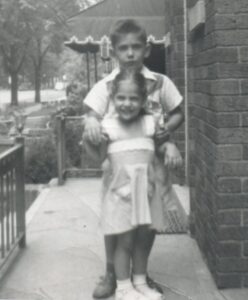 1 Janaury 2026 – A podcast – The Journey of Personal Grief – Stories of My Brother Joel
Tomorrow, January 2, 2026, I begin a deeply personal—and public—journey of sharing stories about my brother, Joel. His sudden passing in September still feels unreal. I find myself reaching for him, expecting his voice, his presence, his humor… and then remembering he is no longer here.
What I do know is that Joel touched countless lives in his 79 years, and there is so much about him that I never had the chance to witness firsthand. As I move through my own grief, I want to gather those stories—the pieces of him that live in the memories of others.
Many of you who follow my podcasts and blogs know that Joel spent the last two decades of his life at Caffè Lena in Saratoga Springs, a place where the music truly never dies. It’s a space rooted in Lena Spencer’s vision from 1960, now home to a thriving music school and a legacy that continues to inspire generations.
Joel was a storyteller, though a modest one. When he spoke about the artists he worked with across music, film, and Broadway, the names—Paul, Michael, Bob, Patti, Bonnie—floated by as if they were simply neighbors or old friends. To him, they were just people. To the world, they were icons.
Now, the people whose lives he touched will help fill in the missing chapters of his story for me.
This new series, Where the Music Never Dies, takes its name from the musical piece written by Joel Moss and Peter Davis—a tribute to the enduring spirit of Lena Spencer and the community she built.
If you would like to be part of this ongoing project, I would be honored to hear from you.
Please reach out to newclevelandradio@gmail.com.
Recording begins tomorrow, January 2, 2026, with our first guest, Kim Scharnberg—an American composer, arranger, orchestrator, record producer, and conductor.
Your stories will help keep Joel’s light alive.
#yesican Coaching with Karen
 1 January 2026 – HAPPY DAY/NEW YEAR from YES ICAN COACHING with Karen
The calendar on my computer tells me it’s January 1, 2026—a new day and a new year. Yet waking up this morning felt just like any other: the familiar urge to use the bathroom and then slip back into my warm, cozy bed.
The truth is that the date itself isn’t what makes today magical. The magic lies in the simple fact that I am here, alive, and given another chance to show up as the best version of myself.
Life’s magic isn’t always sparkles and spectacle. Sometimes it’s confusing, fleeting, or downright disorienting—now you see it, now you don’t. Sometimes it’s more “What just happened?” than “Ta-da!”
CELEBRATIONS
My husband and I have never been big on celebrating commercial holidays or even the personal ones—birthdays, anniversaries, all the dates that are supposed to feel important. Instead, we live by a quieter code: offering each other friendship, kindness, and love every single day. That, to us, is the real gift.
GIFT not WRAPPED UP with a BOW
Yesterday, I received a different kind of gift—one from my two sons. They are so alike in some ways and so different in others, but each expresses love in his own unique language. Their gestures, subtle and heartfelt, wrapped around me like virtual arms despite the miles between us.
I felt lucky. And that’s not a feeling I’ve always allowed myself to claim. For years, my own inner demons—those old memories, those lingering words—tried to convince me otherwise.
THOUGHTS
We all carry these demons. They’re born from moments that left a mark, from comments that stuck, from experiences that still echo. But when we choose mindfulness, we can soften their grip. We can transform those bad vibes into something gentler, something healing. Choice is one of the most powerful tools we have as humans, and when we use it intentionally, we move closer to our best selves.
MINDFULNESS
Mindfulness gives us a way to interrupt the intrusive thoughts that try to take over. It creates a pause—a space where we can breathe, refocus, and gently guide ourselves back to steadier ground. It’s not easy, and it’s not instant. It takes practice, patience, and personal tools.
We’ve all heard the phrase “just breathe.” And yes, if we’re alive, we’re breathing. But mindful breathing is different. It’s the moment we become aware of our breath, feel it move through us, and allows it to carry tension out of our bodies. That awareness releases toxicity and invites calm.
Here are a few tools I use personally and share with my clients:
- Notice the thought without judgment. Label it as simply a thought—something you can manage.
- Return to your breath. Feel each inhale and exhale. Let your breath shift your mindset.
- Ground yourself with the 5-4-3-2-1 technique, engaging all five senses:
- Name five things you see
- Identify four things you touch
- Notice three things you hear
- Sense two things you smell
- Name one thing you can taste
THE WHY
Why does this work? Because it pulls you out of the swirl of uncomfortable thoughts and anchors you in the present moment. Your senses become allies instead of agitators. Your nervous system settles. And once you’re grounded, you can make choices that truly serve you.
Intrusive thoughts are part of being human. They don’t define you, and they don’t have to mean anything. Often, they’re just the brain sorting through old information and stimuli from your life’s journey. You may not be able to simply “shake them off,” but you can learn to calm and disarm them.
Mindfulness won’t erase the maze of life, but it will help you navigate it. When you feel lost, overwhelmed, or unsure of the way out, pausing to observe—really observe—your situation can illuminate the path forward.
A new year doesn’t magically change us. But each new day gives us another chance to choose presence, compassion, and clarity. And that, in itself, is a kind of magic.
#yesican Coaching with Karen
 D5 Creation